By Sara Perez Webber
From cheeseburger fried rice and burnt honey to fluffy juice and a potential successor to mochi, some of the most interesting food and beverage trends gaining momentum in 2026 share a common thread: familiar experiences delivered in unexpected ways.
During the recent 2026 Midyear Trends Event webinar by Datassential—the food and beverage market research firm—trendologists Jaclyn Marks and Renee Lee Wege highlighted the emerging flavors, ingredients and culinary concepts that are shaping menus across the country. For catering and foodservice operators, the trends offer plenty of inspiration and food for thought.
Here are 13 to have on your radar.

1. Comfort Food Gets a Global Makeover
“Global concepts and nostalgia are redefining what comfort food is,” Marks said.
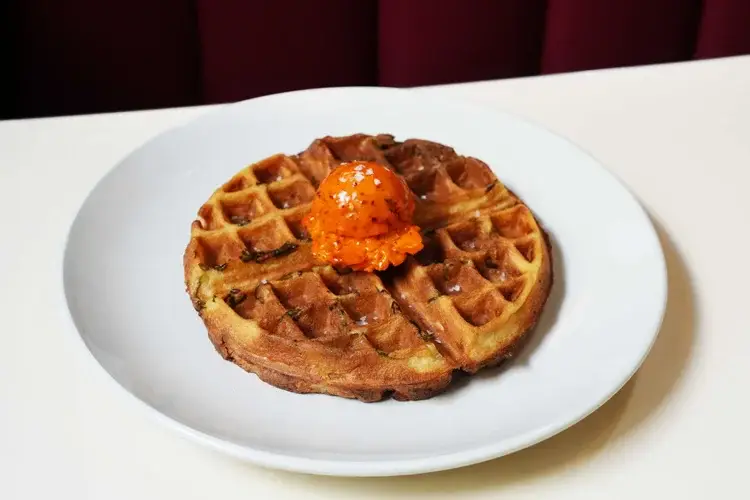
One example is the cheeseburger fried rice at Agnes and Sherman in Houston, which combines the familiarity of an American burger with a classic Asian format. The “Modern Asian American Diner” also offers such dishes as the Savory Scallion Waffle with sambal honey butter.
According to Datassential, nearly 39% of consumers have eaten Chinese fusion in the past year, and Chinese cuisine has surpassed Italian in popularity among Gen Z.
For operators, the opportunity may be less about reinventing comfort food than expanding what qualifies as comforting.
2. Doubanjiang
As regional Chinese cuisines continue to gain attention, so are foundational ingredients such as doubanjiang—an umami-rich condiment made with fermented fava beans and chile paste that’s central to Sichuan cooking.
Datassential found that 24% of Gen Z consumers already know what doubanjiang is—a notable level of awareness for an ingredient that remains unfamiliar to many mainstream diners.
3. Mangonada Moves Beyond the Glass
The sweet, tart and spicy mangonada—a Mexican frozen drink made with mangoes, lime juice, chamoy sauce and Tajín—has moved from Datassential’s “inception” stage into broader adoption, with menu appearances climbing 180% over the past four years.
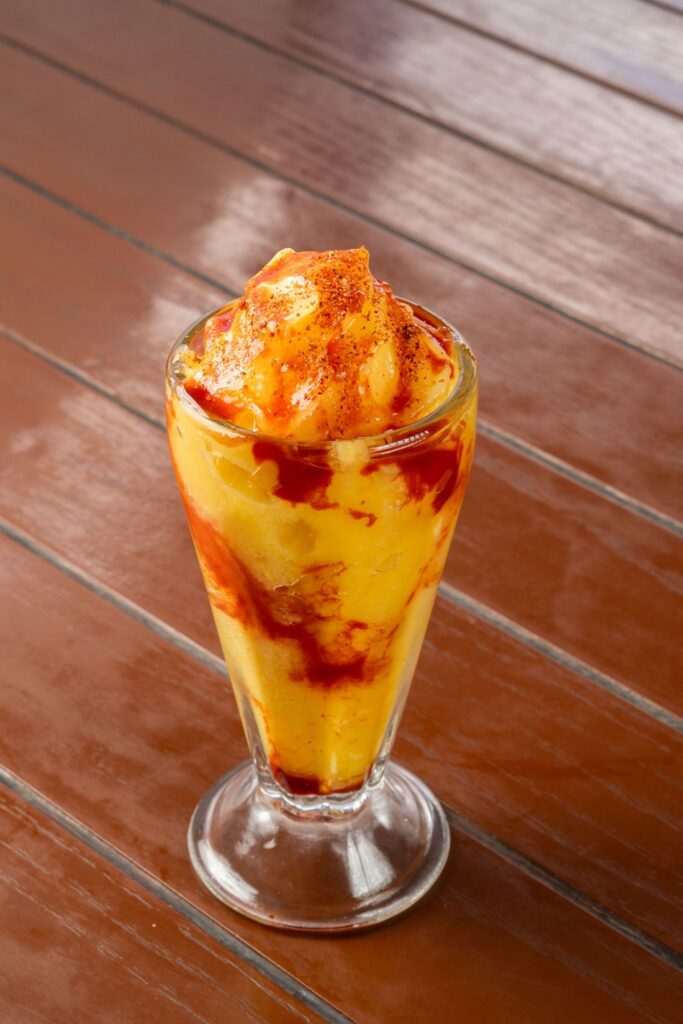
Cold Stone Creamery, for example, has offered a Mangonada Shake-Up featuring mangonada ice cream, mango boba, whipped topping and Tajín.
And the trend is no longer limited to frozen drinks. Wege noted that mangonada flavors are showing up in cakes, cupcakes and other applications, creating opportunities to translate the profile across the menu.
4. THC Beverages
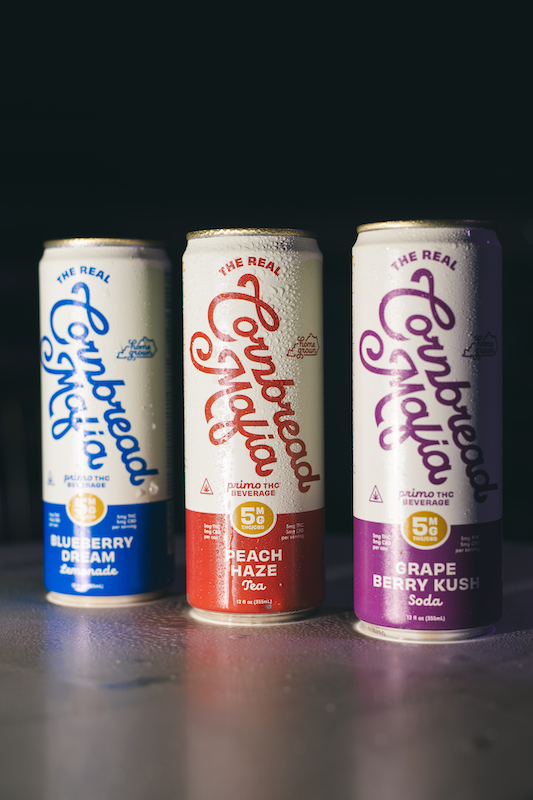
The expanding nonalcoholic and alternative-beverage landscape is also making room for THC-infused drinks.
According to Datassential, 46% of consumers are interested in trying cannabis- or THC-infused beverages, while brands are introducing increasingly sophisticated flavor profiles, including combinations such as lavender-raspberry and orange cream.
5. Black Lime
Also known as dried lime, black lime—made by boiling fresh limes in salted water and drying them until they turn black and harden—brings an earthy, tart and slightly fermented complexity to dishes and drinks.
While only 21% of consumers currently express interest in trying it, Datassential found that among those who have, half say they like or love the flavor.
Black lime is showing up in cocktails, but savory applications are emerging as well, including a rack of lamb with black lime at Spoon and Stable in Minneapolis.
6. Fluffy Juice
Texture continues to reshape the beverage experience.
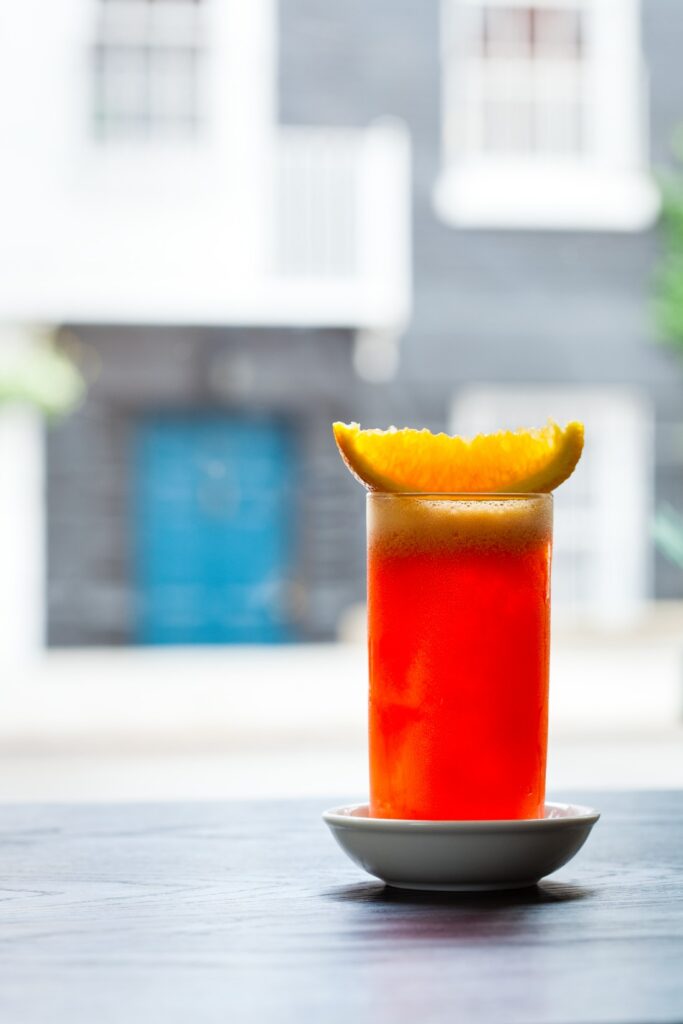
Popularized by Dante in New York with its Garibaldi cocktail, fluffy juice is essentially fresh juice aerated to create a light, foamy texture. The technique can add visual and sensory interest to both alcoholic and nonalcoholic drinks.
About 31% of consumers are interested in trying it, according to Datassential, with the social-media-friendly presentation particularly well positioned to appeal to younger consumers.
7. Dot Cakes
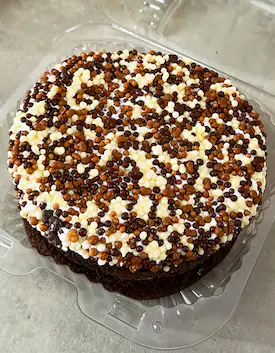
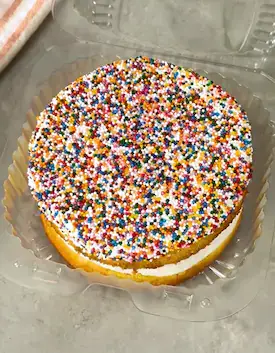
Individual “dot cakes”—small, round cakes covered in sprinkles—have become a social media phenomenon.
Datassential noted that the trend generated more than 12.5 million social media engagements in May alone, while retailers including Publix have introduced their own versions.
8. Food Tailored to Women’s Health
Nearly half of consumers—48%—are interested in foods and beverages offering benefits tailored to age, gender or specific life stages, tying into the broader “biohacking trend,” according to Datassential.
That is fueling concepts aimed at areas such as hormonal health. Moon Cycle Seed Company, for example, offers Moon Milk—a soothing drink of warm milk, honey, and specialty herbs and spices, designed to support women’s natural hormonal rhythms.
9. Koji Milk
Gaining ground in the alternative-milk category, koji milk is made with oats and fermented koji rice. According to Datassential, mentions of koji milk have climbed 201% on beverage menus over the past four years.
10. Sticky Toffee Pudding
The classic British dessert is enjoying a stateside moment, reflecting consumers’ appetite for indulgent, nostalgic flavors.
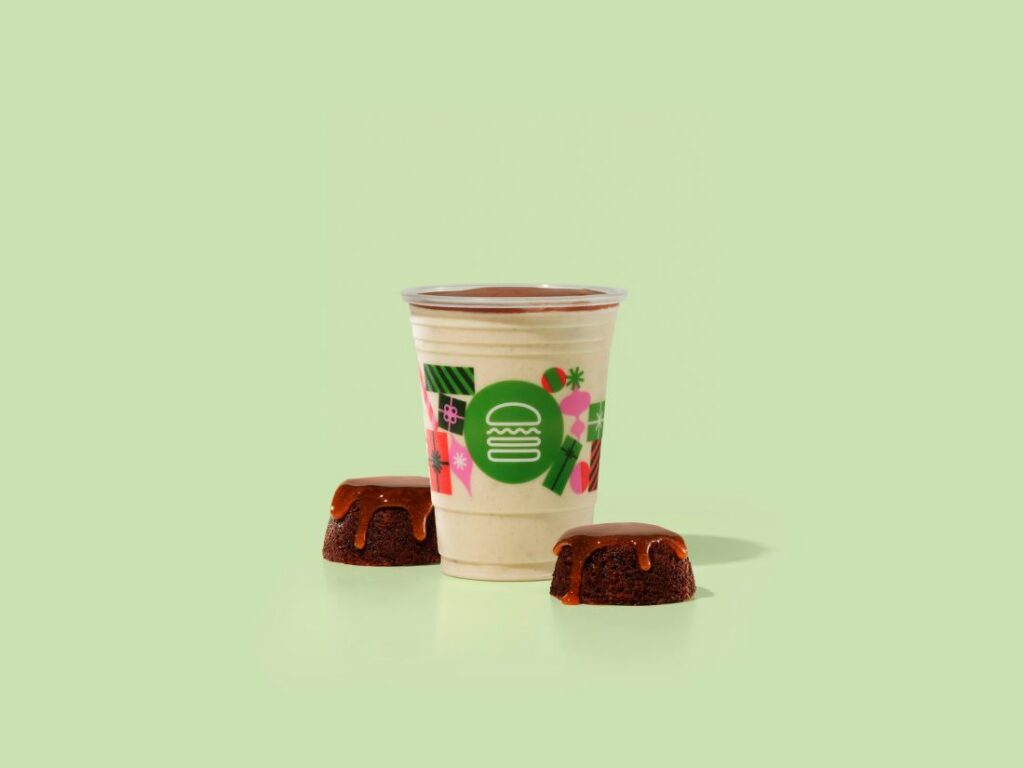
Sticky toffee pudding has increased 70% on menus over the past four years, according to Datassential, and its rich caramelized flavor profile is moving into new formats. Shake Shack, for example, introduced a limited-time Sticky Toffee Pudding Shake.
11. Burnt Honey
Honey gets a darker, more complex personality when caramelized or lightly charred.
Burnt honey has grown 160% on menus over the past four years, according to Datassential, and can work across cocktails, desserts and savory applications.
Church and Union in Charleston, South Carolina, for example, features a buttermilk cake with Meyer lemon curd, burnt honey Chantilly, whipped mascarpone and candied citrus. The restaurant also offers another Datassential trend on its dessert menu—the Sticky Toffee Trifle.
12. Injeolmi
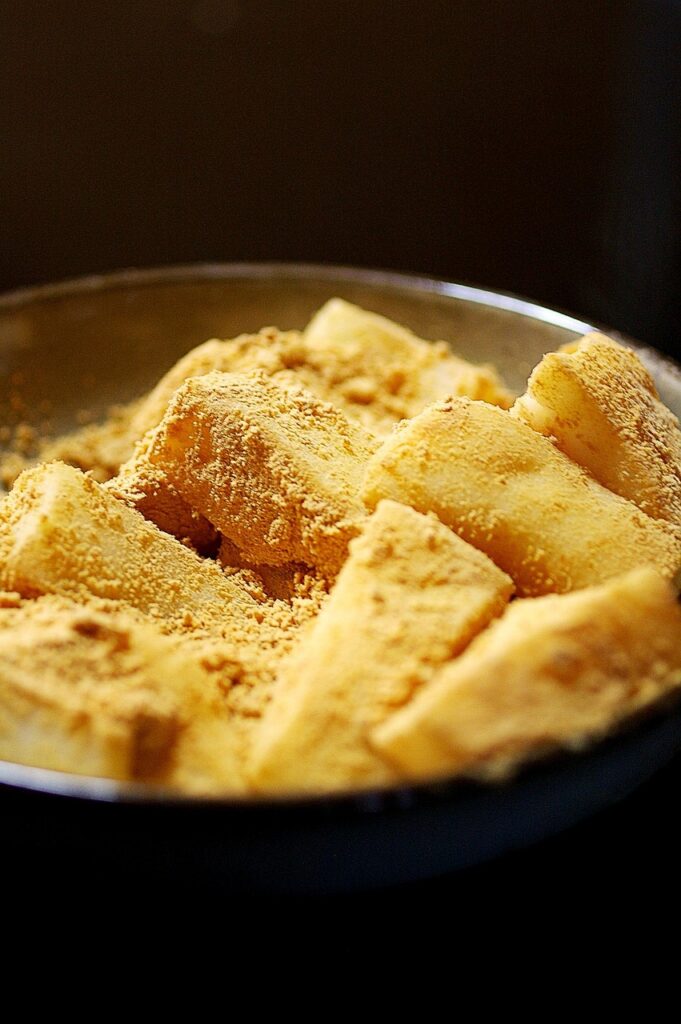
Injeolmi could be the next mochi, according to Datassential.
The traditional Korean rice cake is typically cut into bite-sized pieces and coated in roasted soybean powder. Datassential found that 27% of Gen Z consumers already recognize the term, driven in part by social media and growing interest in Korean cuisine.
Its influence is also moving beyond the traditional preparation. Café du Bliss in Austin, for example, offers an injeolmi latte.
13. Baijiu
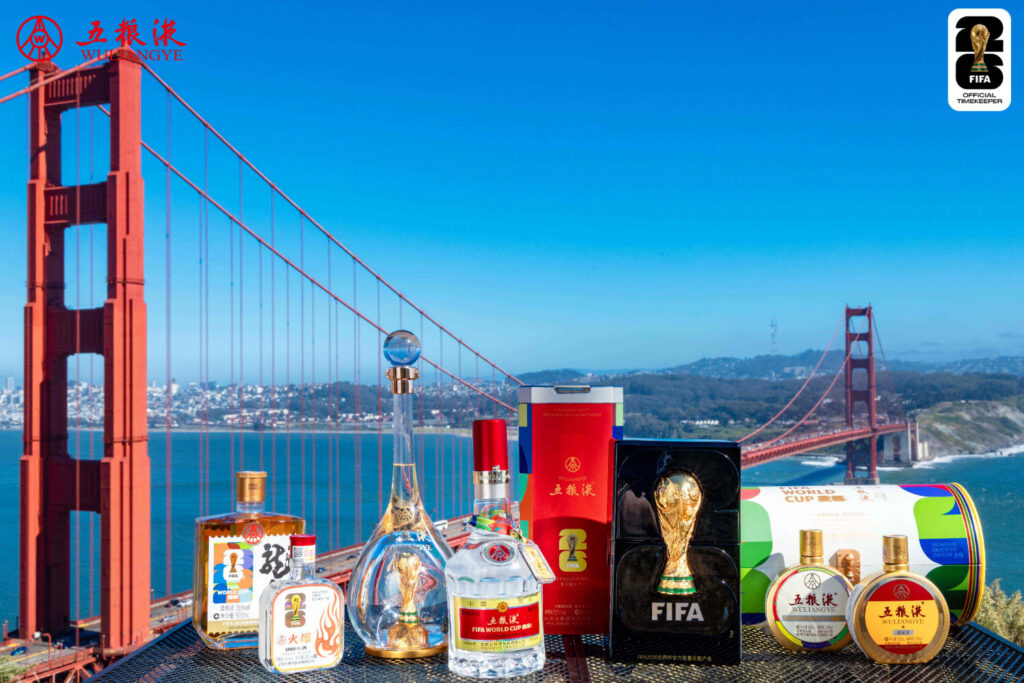
China’s traditional distilled spirit is becoming more visible on U.S. beverage menus.
Typically ranging from roughly 35% to 60% ABV, baijiu has jumped 221% on alcohol beverage menus over the past four years, according to Datassential.
At Tyger Tyger in Seattle, for example, the Tyger Old Fashioned features baijiu with bourbon, maple syrup and aromatic bitters, while the Island Warfare adds the spirit to a gin cocktail with Cointreau, Cherry Heering, pomegranate, lime and pineapple.
Subscribe to CFE News' twice-monthly newsletter reporting on the business of catering, foodservice and events.