
By Sara Perez Webber
The CFE News Editorial Advisory Board recently compared notes on one of the industry’s defining business challenges: how to protect profit in an environment where labor, food and operational costs remain stubbornly high. Their conclusion? The strongest operators aren’t relying on one fix. They are reengineering purchasing, tightening pricing strategy, investing in leadership, adding higher-margin services and, perhaps most importantly, staying disciplined about who they are in the market.
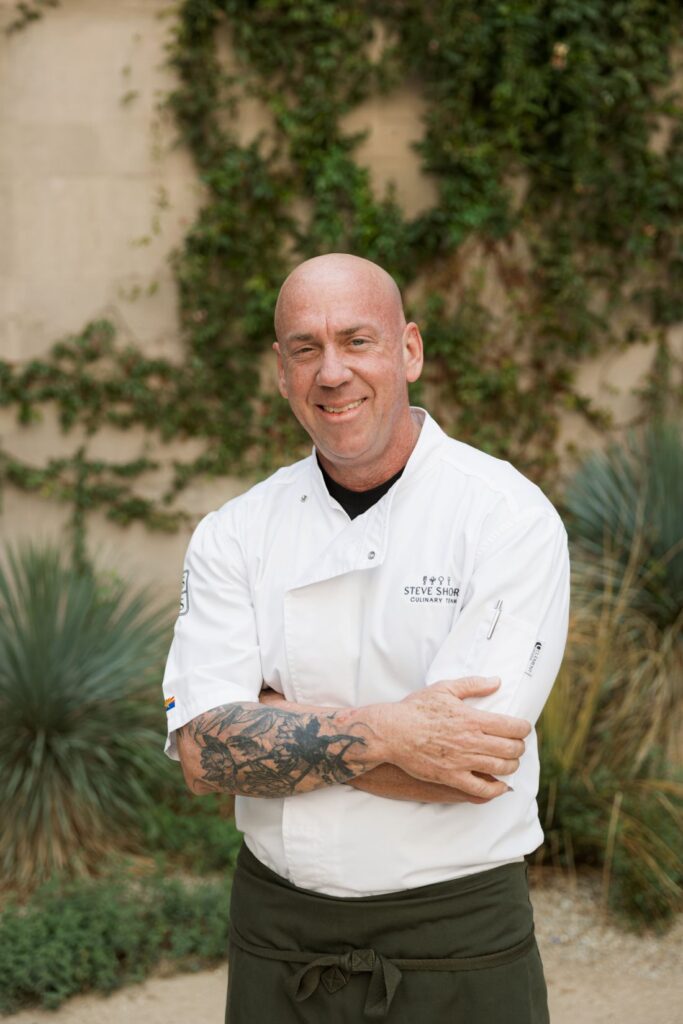
For some, that means resisting the temptation to chase every opportunity. As Steve Short of Steve Short Culinary Team in Phoenix put it, “The biggest key to selling in a premium market is to stay premium.” In his view, that requires restraint—not only in pricing, but in growth itself. “I could potentially grow myself out of business if I wasn’t careful,” he said, noting that labor costs and training demands make unchecked expansion risky.
Here’s what these leaders are doing to manage rising costs while protecting margins and client relationships.
1. Rethinking How They Buy
Whether it’s beef, chicken, produce or office supplies, board members said procurement has become a much more strategic exercise.
Christie Altendorf, marketing and brand director at D’Amico Hospitality in Minneapolis, described a recent tasting exercise in which the company’s chef brought in eight cuts of beef tenderloin and 10 types of airline chicken breasts from four different purveyors to determine where quality and price best aligned—with the added goal of consolidating vendors.
“If we find two products that we really love that are brand-representative from the same company, offering business to that company can help us command a better price than if we’re using two separate entities,” she said.
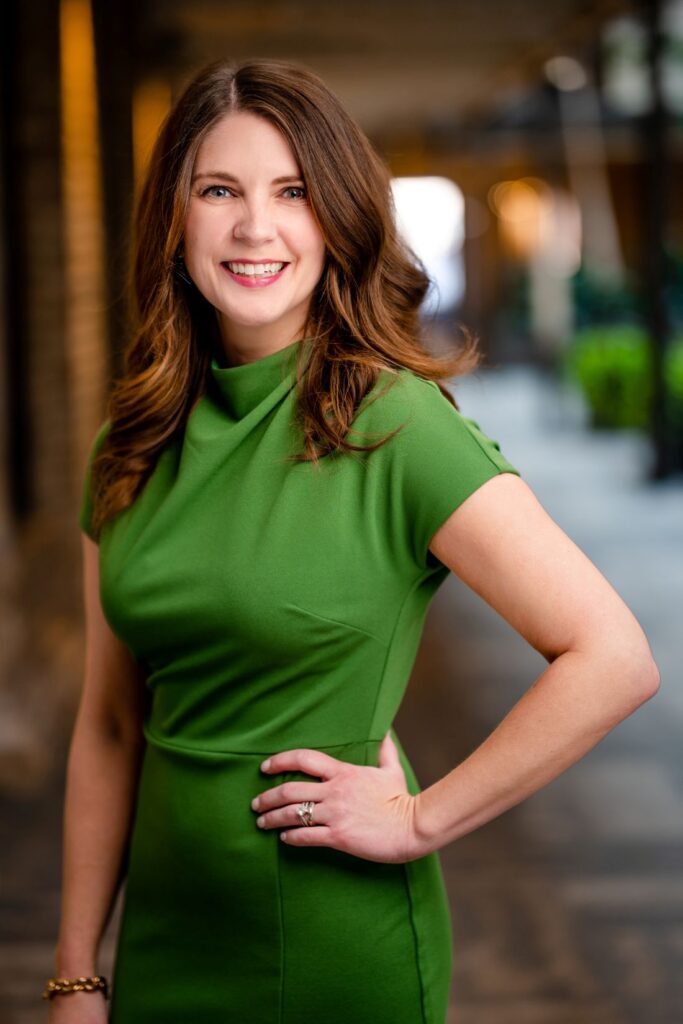
Atlanta’s Proof of the Pudding has also sharpened its procurement strategy. CEO Adam Noyes said a new procurement partner has generated “hundreds of thousands of dollars in cost savings in the last year-and-a-half.”
“Tariffs have not made anything that’s coming across the border any cheaper, so our chefs are having to do a better job of managing where they’re buying from,” Noyes said. He added that strong vendor relationships—including with Halperns’ Steak and Seafood as well as Farmers & Fishermen Purveyors—help the company identify promotions and guide clients toward menu items where savings are built in from the outset.
Bill Hansen, CEO of The Hansen Group in Miami, similarly pointed to Halperns’ push list, which alerts his team to meats on special. His company’s menus no longer specify exact vegetables, instead using the term “seasonal vegetables,” which allows the kitchen to buy based on availability and value.
At Footers Catering in Denver, streamlining the menu has helped to control food costs. “We did a complete overhaul,” said Anthony Lambatos, CEO. “We don’t need 10 chicken dishes; we need three great ones. And if someone needs something different, we’ll customize it for them.”
Board members also stressed the importance of keeping purchasing authority tightly controlled, with a clear chain of command and limited decision-makers.
2. Making Sure the Right Team Is in Place
Several board members said today’s economic environment has made one thing clear: the wrong management team is expensive.
Hansen said he has let go of some senior executives and promoted others, noting that his top leadership team is now all female. “Our profitability has been the best that it has been in a long time,” he said.

At Proof, Noyes said the company has “totally rebuilt” its management team over the past year, bringing in a high-level CFO, a new chief revenue officer and retooling its marketing department.
“We kind of rebuilt the whole engine in order to get where we were trying to go,” he said. “This past year was an investment year, but 2025 was the best year we’ve ever had. We were up 20%.”
Altendorf said D’Amico has also been focused on growth for the past two years, with an emphasis on ensuring “the right people are in the right seats.”
The challenge, several members noted, is that top-tier talent has become far more expensive and difficult to secure than entry-level labor. Noyes said Proof paid nearly the equivalent of an annual salary in recruiting fees to find the right person as deputy to the COO.
“It’s super competitive, it’s super pricey, but I’ve learned that pricey ones are worth the money if you can find the right people,” he said. At the same time, he noted that lower-level hiring in the 18 states Proof operates in has improved significantly since the immediate post-Covid years.
3. Restructuring Pricing and Proposals
How companies present pricing has become a strategic tool in itself.
Hansen said his company has moved away from quoting one per-person figure and now breaks down proposals into line items that cover food, beverage, rentals, staffing, production and upsells.

“It really enhances the client-decision process,” Hansen said, “and it enables us to do a better job negotiating prices and crafting the particular proposal that a client would want.”
Short has taken an even more dynamic approach. With a two-person purchasing team recalculating food costs weekly and feeding those numbers directly to sales, his pricing changes constantly: “I literally change prices every week.”
He also limits how long proposals stay open—just two weeks, a significant shift from pre-pandemic practices. Because most of his clients book six to eight weeks out, he is able to preserve some flexibility while also building in cushions for long-range bookings such as weddings and corporate events.
4. Investing in People—Strategically
If one cost category dominated the conversation, it was labor.
Board members agreed that the issue is no longer simply finding bodies. The bigger challenge is finding, developing, paying for and retaining high-quality staffers.
John Crisafulli, president and CEO of San Diego’s Behind The Scenes Catering, contrasted the American hospitality labor environment with what he observed recently in Milan, Italy, where he was catering the Olympic Games. There, hospitality workers “treat it as a career” and bring a level of professionalism that can be harder to sustain domestically. “You invest money in training somebody, and then all of a sudden they’re gone—they’re off to the next thing,” he said.

Short was even more direct: “Labor is our problem—developing it, sourcing it, paying for it, charging for it. Labor is our focus.” For his company, the answer has been to keep investing in training and to charge accordingly.
That sentiment was echoed in Hansen’s blunt assessment: “I’d rather pay the good people time and a half rather than have two mediocre people getting their regular pay.”
In other words, board members are not treating labor investment as optional. They see it as essential to protecting quality, brand equity and, ultimately, profitability.
5. Adding Revenue Through Design and Services
Rather than simply raising prices, several board members said they are increasing margins by layering in higher-value services.
Rachael Volz, owner and CEO of A Fare Extraordinaire in Houston, purchased a small boutique furniture rental firm, Goodie Rentals, allowing her company to offer clients elevated event design at a discounted rate. “Creating more value for the customer has been really good for me,” she said. The move has increased design-related revenue significantly, with increases year after year.
It has also strengthened loyalty, with more clients booking with her company even for out-of-town events. “It’s been a really great way for me to add revenue to the bottom line without having additional staff expenses,” she said.

Lambatos reported a similar trend, noting that Footers clients are often willing to spend more on design-forward enhancements that elevate the look of an event—and that some of those add-ons carry stronger margins than food and labor.
Volz also found savings operationally by bringing laundry services in-house, replacing more than $100,000 in annual laundering costs with a small bank of heavy-duty residential washers and dryers run by her dish team.

6. Staying True to the Premium Market
If one theme tied the whole conversation together, it was discipline around market position.
Multiple board members said the strongest spending is happening at the top end, where affluent private clients and luxury brands continue to demand highly customized hospitality experiences.
Crisafulli said he is seeing “an expanding group of very ultra-wealthy” clients who are entertaining more and expecting a level of service shaped by global luxury travel and high-end brand experiences.
The problem, members agreed, is the middle market.
“Selling to the premium clients is not a problem,” said Lambatos. “They’re willing to absorb those additional costs. It’s the middle that is a struggle.”
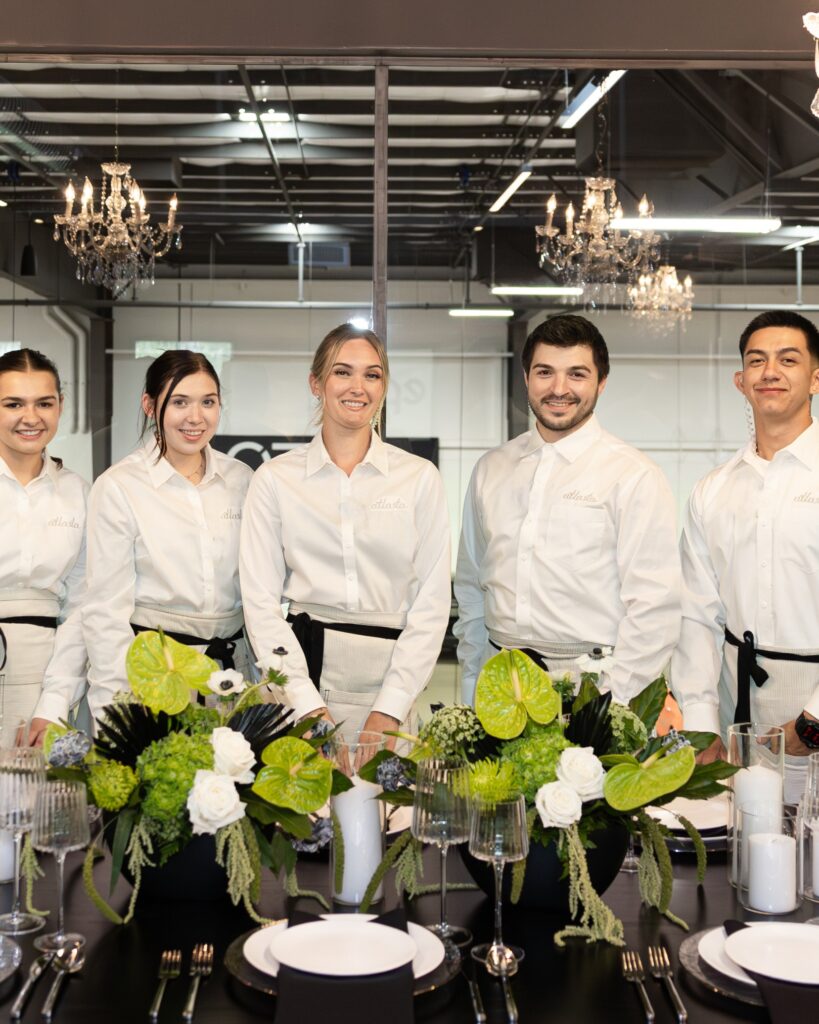
That is where Short’s “restraint” philosophy comes in. In a crowded market where many operators are fighting over the same middle-tier clients, his company has deliberately resisted moving downmarket. Instead, it maintains a separate drop-off brand, Casual Catering, that can capture more budget-conscious business without compromising the flagship operation.
If a client does not want to pay premium rates, shifting them to the Casual brand removes labor from the equation while preserving food quality and presentation.
That approach reflects the broader lesson from the group: in a high-cost economy, profitability is not just about cutting expenses or raising prices. It is about clarity—knowing your market, understanding your cost structure, charging appropriately and resisting the temptation to dilute your brand in pursuit of volume.
Subscribe to CFE News' twice-monthly newsletter reporting on the business of catering, foodservice and events.