By Sara Perez Webber
What does today’s college student want from campus dining?
Chartwells Higher Education did a deep dive to find out. And even if Generation Z isn’t a big part of your customer base, the answers can provide useful insight into future trends. After all, today’s college students are tomorrow’s guests and decision-makers—and understanding their preferences now means staying ahead of the curve.
Closing the Feedback Loop
Chartwells, the campus dining division of Compass Group, serves roughly 300 colleges and universities nationwide, including the University of Florida, Texas A&M, Louisiana State University and Northwestern. Each year, the company surveys its campus communities to better understand evolving preferences, then relies on those insights to help shape menus, pop-ups and programming.
The 2026 College Dining Index (CDI), an online survey conducted in October 2025 across 231 participating campuses, received 107,106 fully completed responses.
“We were very impressed by the number of responses,” says Janelle Craft, Chartwells Higher Education’s vice president of insights. Participation, she notes, has continued to grow over the past three to four years through outreach efforts including tabling, social media and email.
Chartwells supplements the annual fall survey with spring focus groups and year-round feedback channels, creating a steady stream of student input. The company has used the findings to launch everything from residential space pop-ups serving smoothies, bubble tea and mac-and-cheese bars to more localized initiatives tied to farmers markets.
Here are four student dining trends that can be gleaned from Chartwells’ research.

1. Food as Fuel
For today’s students, food is increasingly part of a broader wellness strategy.
“This generation is much more knowledgeable about nutrition than prior generations,” says Joe Labombarda, senior vice president of culinary for Chartwells Higher Education.
That awareness is showing up clearly in dining preferences. High-protein meals rank as the top priority among college students in 2026, with 28% citing them as a preference—a 36% increase year over year. Dining preferences tied to athletic and academic performance rank second overall, reflecting students’ interest in food that supports not only workouts, but also the daily demands of college life.

Responding to student input, last year Chartwells launched Performance Circle, a nutrition and education program designed for student-athletes and active students.
“Students are much more aware of how what they eat is tied to their well-being,” says Craft.
They’re also paying closer attention to ingredient quality. Interest in clean eating and minimally processed foods posted the biggest year-over-year jump of any dietary preference, rising 40% compared to 2025.

2. Authentic Cuisines—From Global Flavors to Regional Favorites
Students are also bringing a more sophisticated palate to campus dining.
One standout finding, says Labombarda, is the growing of interest in global cuisines. But students are not looking for vague, generic interpretations. They want the real thing.
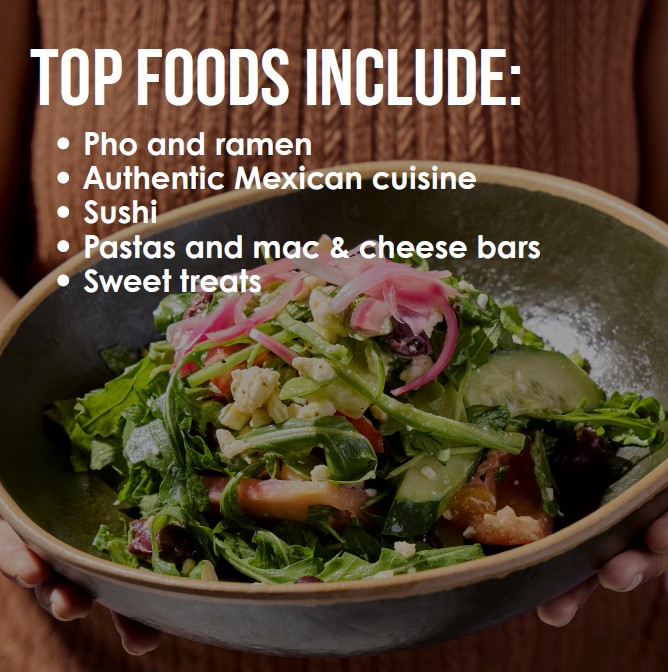
“I’m surprised by how interested students are in international cuisine,” he says, “but it has to be authentic.” The top foods students want more of on campus include pho and ramen (29%), authentic Mexican cuisine (24%) and sushi (22%).
That demand for authenticity extends beyond global fare. Students also want to see menus that include local specialties. “Regional favorites won’t be the same at LSU as they are at Northwestern,” notes Labombarda. For Chartwells, that means tailoring concepts by geography and community feedback rather than relying on one-size-fits-all solutions.
3. Smaller Meals and Snacking
The college dining day no longer revolves around breakfast, lunch and dinner.
Instead, many students are eating more frequently and more flexibly. Labombarda says students increasingly follow a pattern of four to six smaller meals or snacks throughout the day, a rhythm that fits the stop-and-start nature of campus life.
That behavior is also shaping how students discover new foods. When asked what most influences them to try a new dish, 43% of students pointed to sampling, while just 21% cited social media or influencers.
That’s a notable result for a generation often defined by digital behavior. On campus, a bite of something tasty may matter more than a trend spotted online.
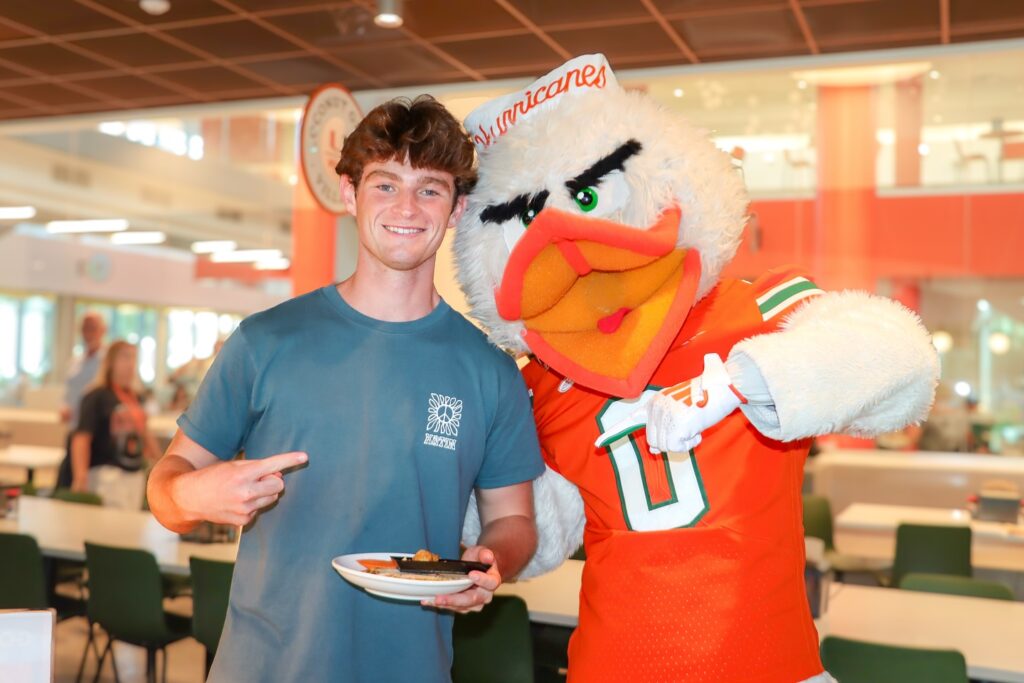
Craft says Chartwells emphasizes sampling on its campuses, offering tastes of dishes and concepts to see what catches on. The strategy works especially well for the college demographic, she notes, because students are constantly making quick food decisions between classes, meetings, workouts and social activities.
The broader implication is clear: Operators have an opportunity to lean into snackable formats, mini meals, small plates and portable options that feel both convenient and satisfying. The rise of smaller-format eating also tracks with wider consumer interest in moderation and portion-conscious dining.

4. Dining as a Social Hub
Even amid all the interest in wellness, authenticity and convenience, one truth remains: Food brings people together.
That’s especially important for first-year students navigating the transition to college life. According to the 2026 College Dining Index, first-year students reported that campus dining programs positively influenced their adjustment to college life (61%), helped them feel welcome on campus (55%) and supported meeting new people or making friends (52%).
Those findings reinforce the role dining plays far beyond simple nourishment. Campus dining spaces can act as social anchors, helping students establish routines, feel a sense of belonging and build community.
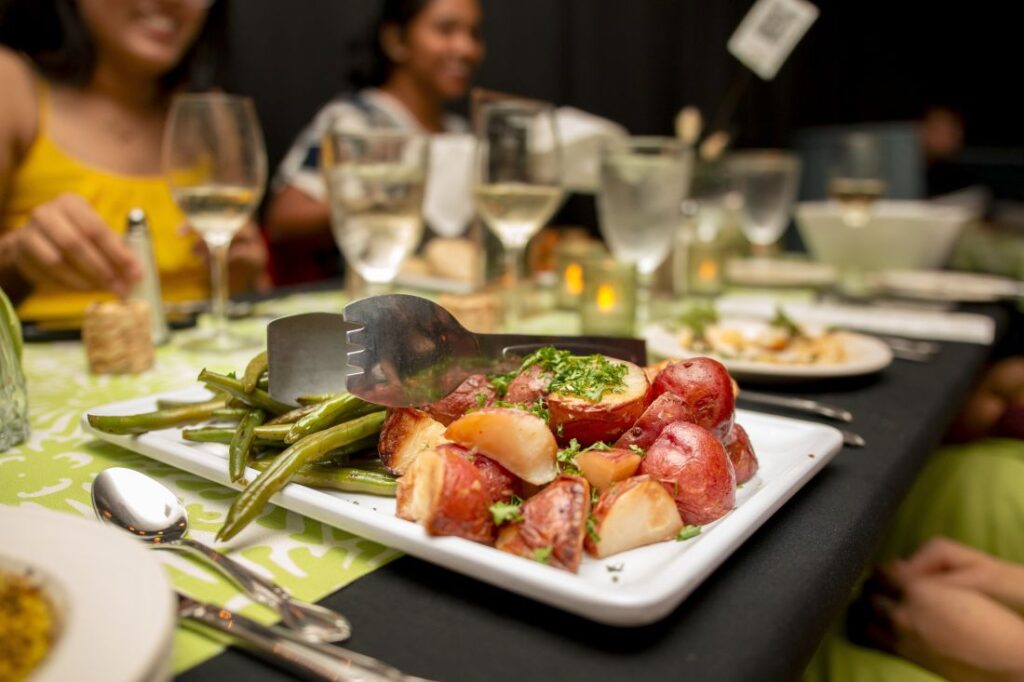
Craft points to Chartwells’ Supper Club program as one example of how the company emphasizes community on campus. The themed events pair entertainment with family-style dining, often featuring global cuisines. “The Supper Club events are very popular and foster interaction and connection,” she says.
In a college environment where so much communication happens digitally, that matters. A dining hall, café or themed event can become one of the few spaces where students naturally gather face to face. Taken together, Chartwells’ findings paint a picture of a student diner who is informed, adventurous, schedule-driven and hungry for connection. And for foodservice operators beyond the campus gates, that portrait offers something valuable: an early look at tomorrow’s consumer.
Subscribe to CFE News' twice-monthly newsletter reporting on the business of catering, foodservice and events.