
By Jim Varney, co-founder of Wavelength Coffee Roasters
If you’ve repriced a bar package in the last 18 months, you know what the data confirms. Often, the consumption assumptions behind those packages no longer hold. The guest who isn’t drinking is now a big enough share of the room to change the math.
Gallup’s latest reading puts the share of U.S. adults who drink alcohol at 54 percent. That’s the lowest on record, with average weekly consumption down to 2.8 drinks from 4.0 just three years ago. Even more surprising, the decline is steepest among under-35 guests—a.k.a. the wedding market and a large chunk of the corporate market.
Coffee Consumption on the Rise
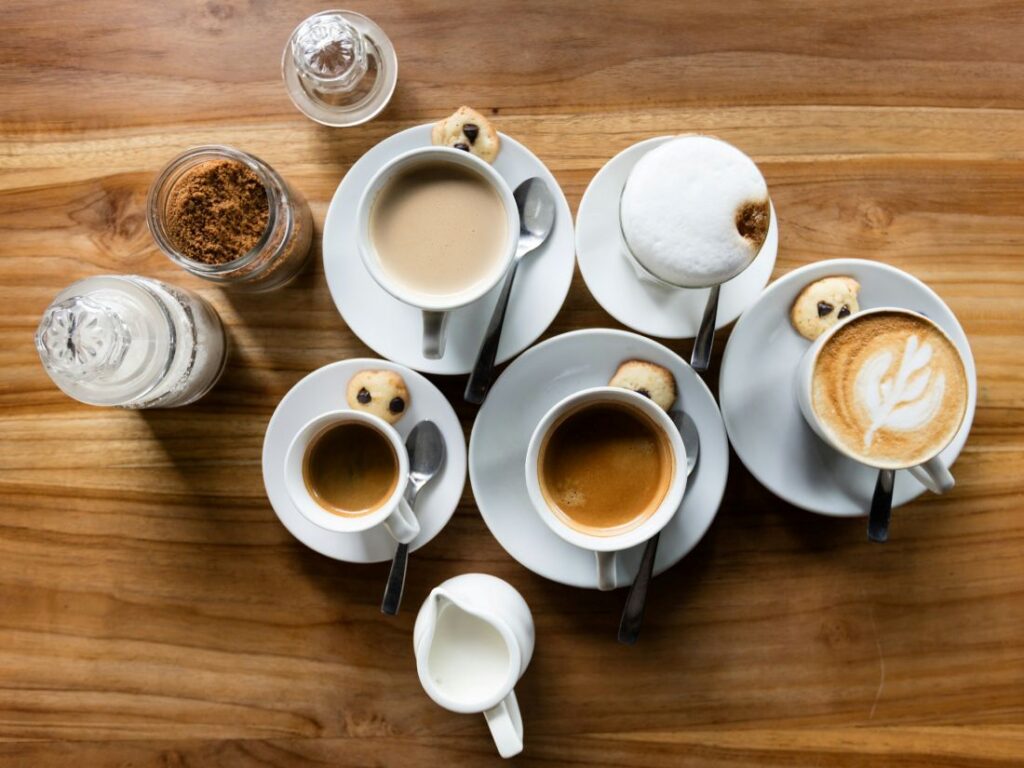
So, what are they drinking? Well, the National Coffee Association’s 2026 data shows 66 percent of American adults drank coffee the previous day. That’s the highest rate in more than 20 years, ahead of bottled water, tea, soda and juice. Specialty coffee hit an all-time high at 58 percent.
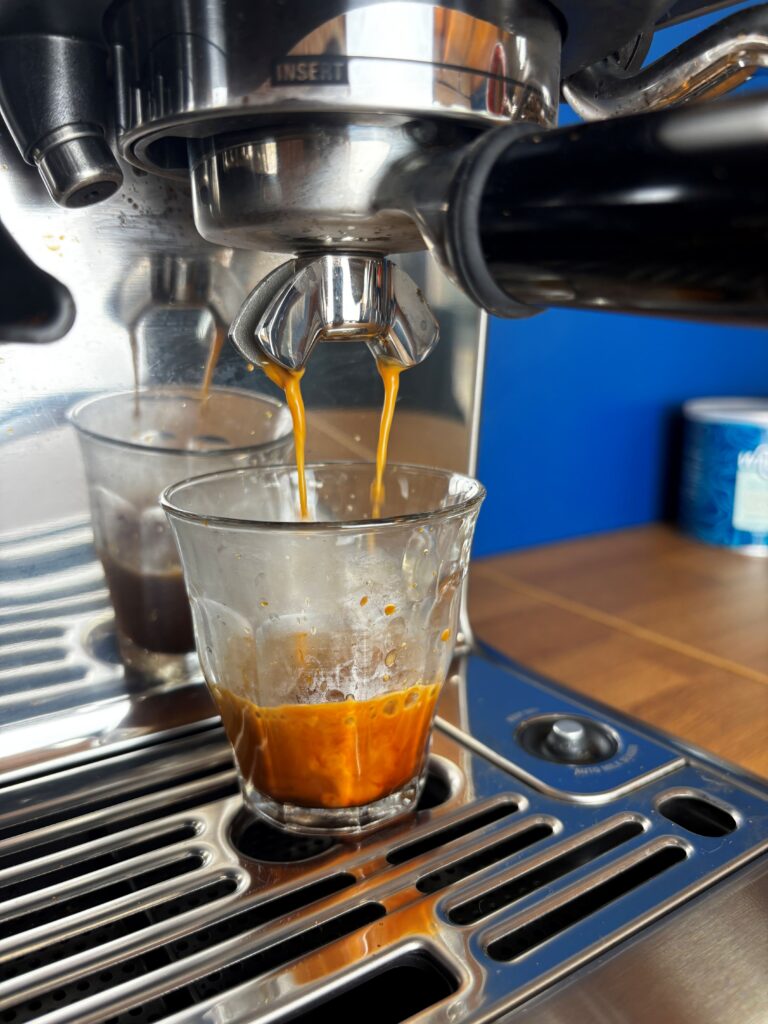
That trend is likely to continue as the American Heart Association (AHA) recently published a scientific statement that makes coffee even more appealing to the health-conscious consumer. For most adults, up to 400 mg of caffeine daily—three to five 8-ounce cups—is safe and does not raise cardiovascular risk, according to the research. Moderate intake is associated with lower risk of coronary heart disease, stroke, heart failure and atrial fibrillation, plus hypertension and type 2 diabetes.
One footnote: those findings cover coffee, not the 600-calorie blended drink it sometimes becomes. And the AHA explicitly separated coffee from energy drinks, flagging concentrated caffeine as a blood-pressure and arrhythmia risk. If you run an all-day beverage station, that distinction is worth knowing before a client asks.
Steps for Boosting Coffee Revenue
Most operations still carry coffee as an embedded cost inside a per-person food price—a courtesy poured at the end of dinner, forecast at whatever percentage of covers the chef has always assumed. Here are five places to break that habit:
- Put it on the Banquet Event Order as its own line. Coffee bundled into a per-person entrée price generates no attributable revenue. Broken out as a station or a service with its own price, it becomes something a planner can approve, upgrade or add. A pound of specialty coffee yields roughly 30 to 32 eight-ounce cups; even at premium green costs, the ingredient cost per cup lands well under a dollar. No liquor license, no excise tax, no dram-shop exposure.
- Update the consumption forecast. If your planning standard is still 40 to 50 percent of covers taking coffee after dinner, you are under-brewing and over-brewing at the same time, running out at the tables that want it, dumping urns at the ones that don’t. Track actuals across a few events. The number is moving—and moving toward receptions and breaks, not just dessert.
- Treat the attended station as a revenue center. An attended pour-over or espresso station carries a labor line, which is why it gets removed from proposals. However, it does give the non-drinking guest somewhere to stand during cocktail hour. The bar is a social position, and currently there’s no equivalent for the 46 percent who aren’t using it. Operators who build that second gathering point report guests stay in the room longer.
- Off-premise is where coffee goes to die. It’s rarely a sourcing failure. Coffee brewed at 8 a.m. and held on a warmer until 11 tastes scorched no matter what you paid per pound. For drop-off and tented work: check roast dates on delivery, and grind as close to service as the setup allows. We typically brew about one hour before our farmers markets and find that the coffee stays hot and fresh-tasting for at least three to four hours. Confirm power source before promising an espresso machine at a field site.
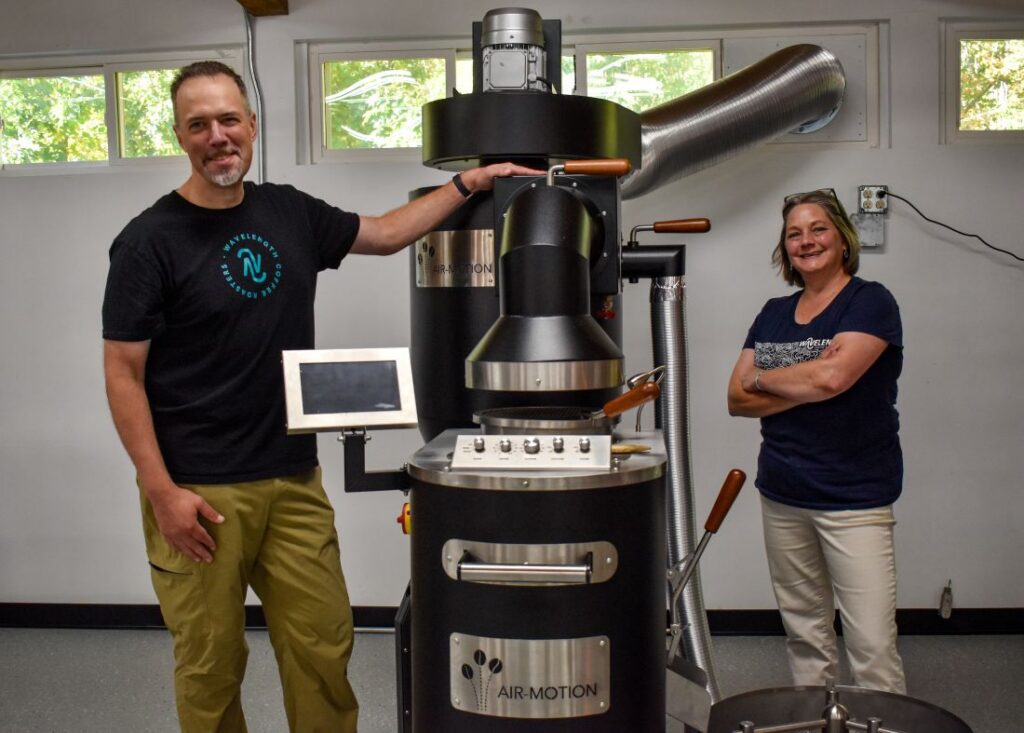
- Read the sustainability line in the RFP. Corporate clients are increasingly scoring F&B partners on sourcing and emissions, and coffee is one of the easier places to answer that question credibly. Most commercial coffee is roasted over a gas flame. All-electric air roasting—the method we use, powered by solar—never exposes the bean to combustion, which yields a cleaner cup and removes the fossil-fuel emissions from the roast entirely. The health research on avoiding combustion byproducts is still developing, and I’d stop short of claiming more. But the emissions and packaging story is documented, and it fills a box on the scorecard.
Treat Coffee as a Standard
None of this requires capital or a menu rebuild. It requires treating coffee as a category with a price, a forecast and a standard—the way beverage alcohol has always been treated.
There is now exactly one indulgence on your menu that a guest can be encouraged to have more of, with the American Heart Association behind it. In this business, a good reason to say yes is worth building a line item around.
About the Author
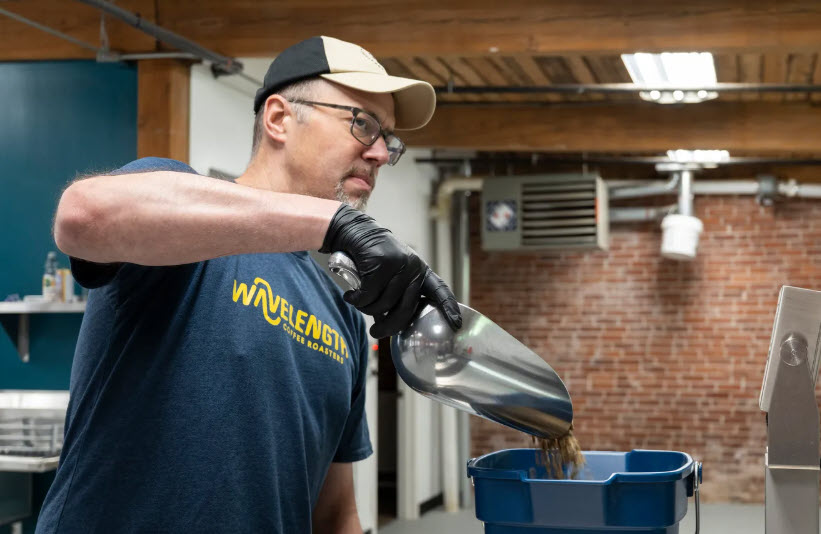
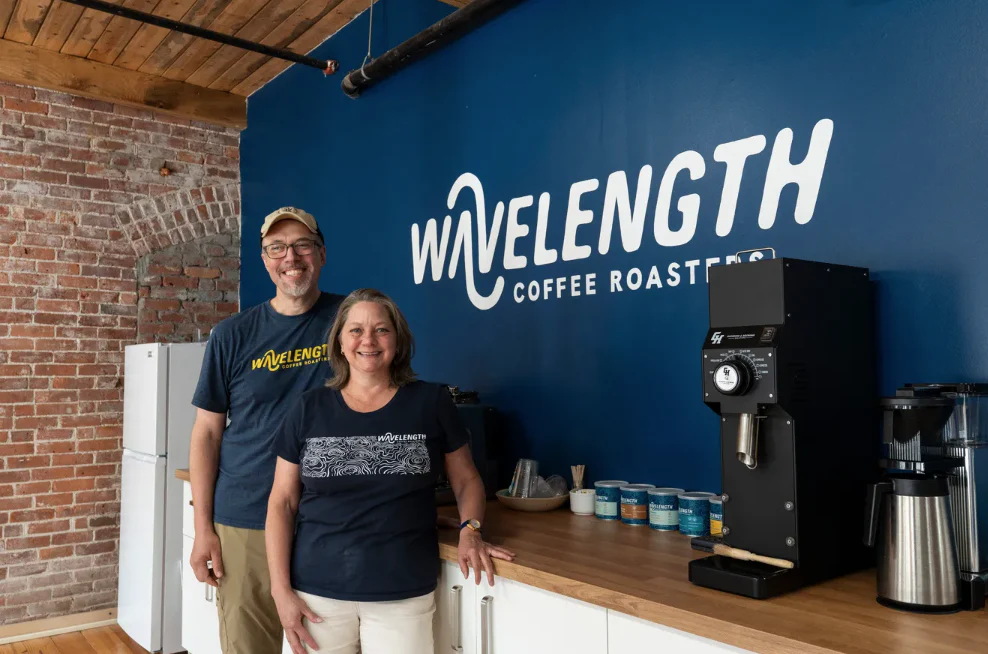
Jim Varney is co-founder of Wavelength Coffee Roasters in Shirley, Massachusetts, a specialty roaster serving hospitality and foodservice accounts using all-electric, solar-powered air roasting and reusable steel packaging. For more info, visit wavelength-coffee.com.
Subscribe to CFE News' twice-monthly newsletter reporting on the business of catering, foodservice and events.