By Sara Perez Webber
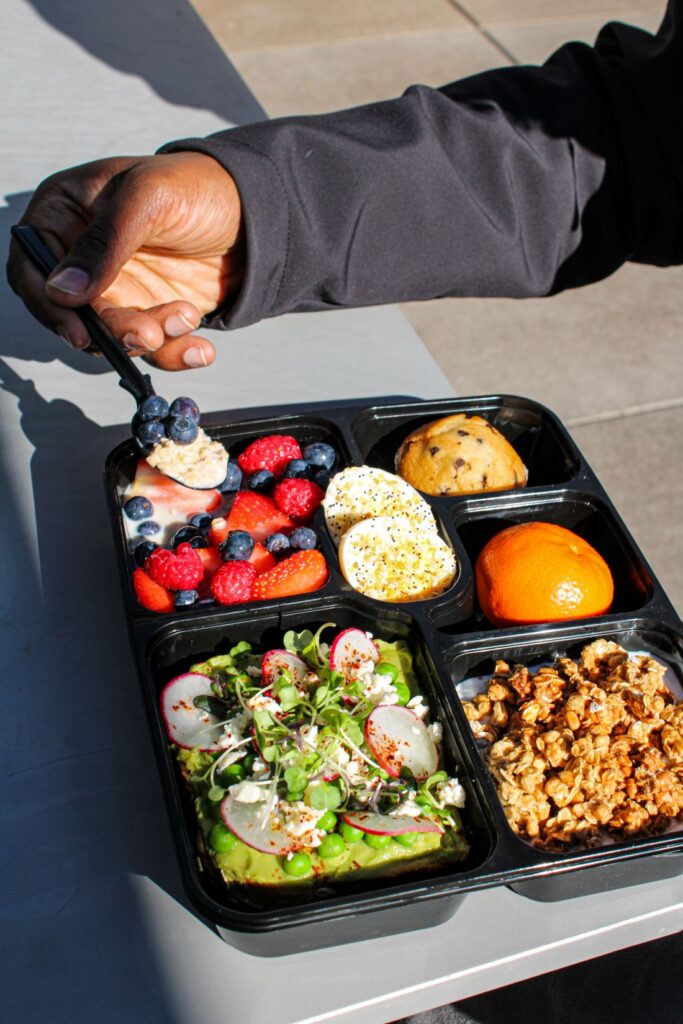
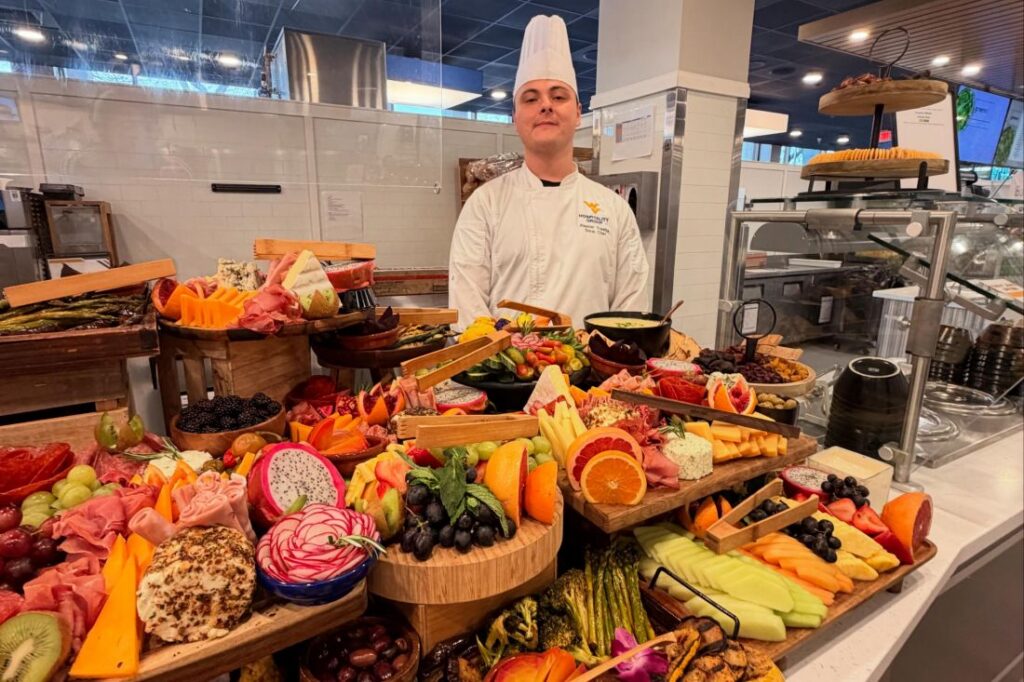
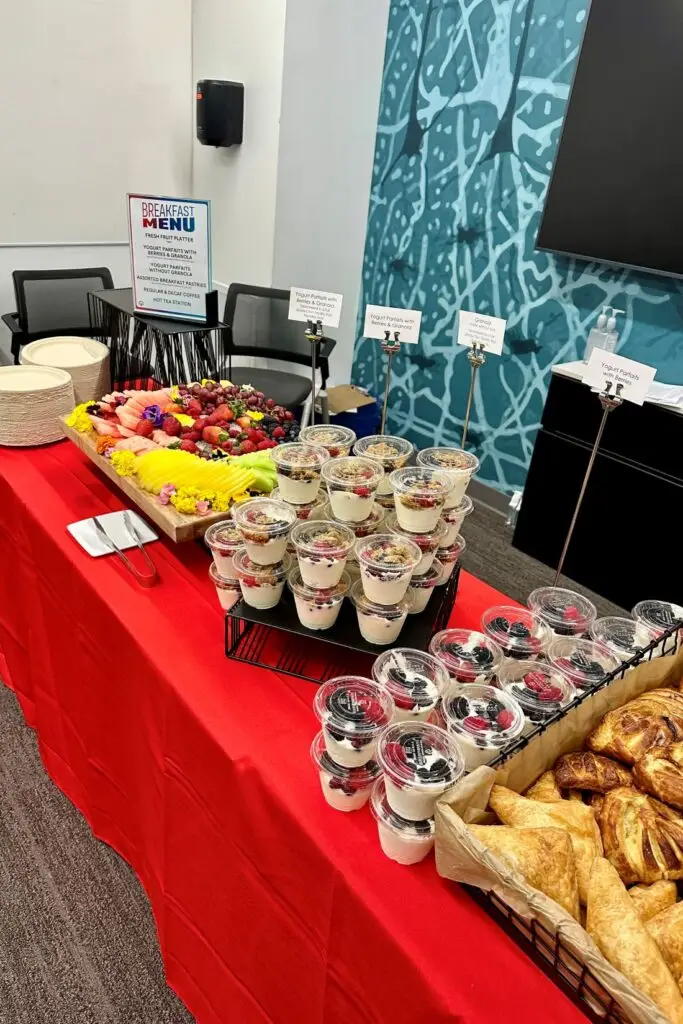
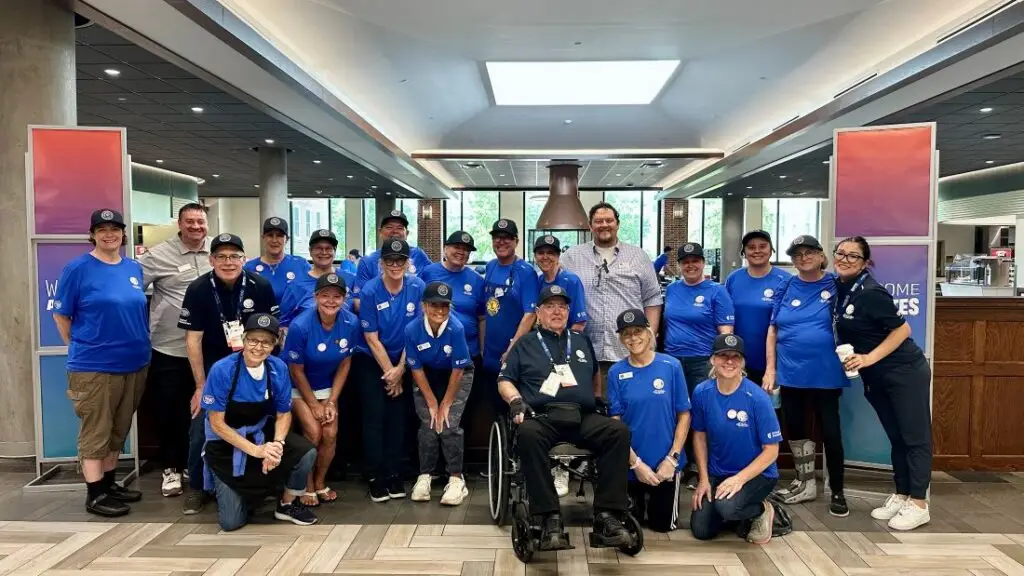
When 3,000 athletes descended on the University of Minnesota to compete at the 2026 Special Olympics USA Games, Chartwells Higher Education’s M Food Co. dining team was ready to feed them well.
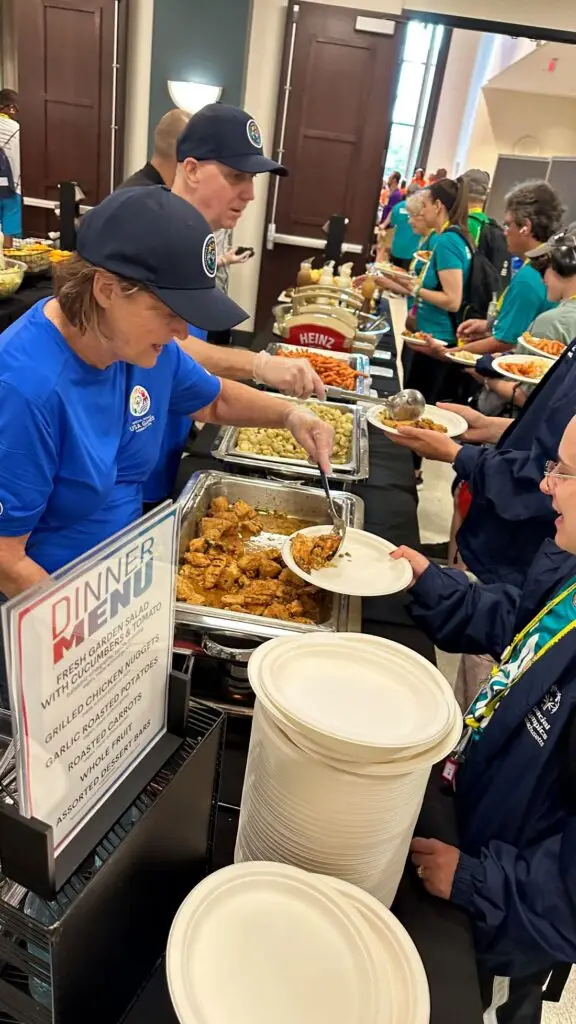
More than 110,000 meals were served over nine days in June at 15 locations across the Twin Cities campus. In addition to the competitors, the Chartwells team served coaches, volunteers, officials and the ESPN crew.
The sheer volume of food required was staggering: 15,000 pounds of Cargill eggs, 8,000 pounds of potatoes, more than 7,500 pounds of protein—including Hormel brisket, Cargill beef and turkey—and 5,000 pounds of apples. Afterward, Chartwells donated enough food to feed nearly 4,000 people in the Minneapolis area.
For Justin Anderson, Chartwells Higher Education’s senior executive chef at the University of Minnesota, one big challenge was balancing the size and complexity of the event with making sure attendees were served with warm hospitality.
“At that scale, it would be easy for dining to feel transactional, but that was never the goal,” said Anderson. “We wanted every meal period to feel organized, welcoming and personal.”
Two Years of Planning
Preparations began more than two years before the Games, progressing from broad conversations about the event’s scope to detailed planning involving menus, staffing, service flow, volunteer coordination and more.
The culinary team also spent months developing performance-focused menus that could accommodate a wide range of dietary and allergen needs.
The final six months, Anderson said, were focused on turning those plans into an operation that could function across multiple venues simultaneously. Once competition began, the emphasis shifted to constant communication and real-time adjustments.
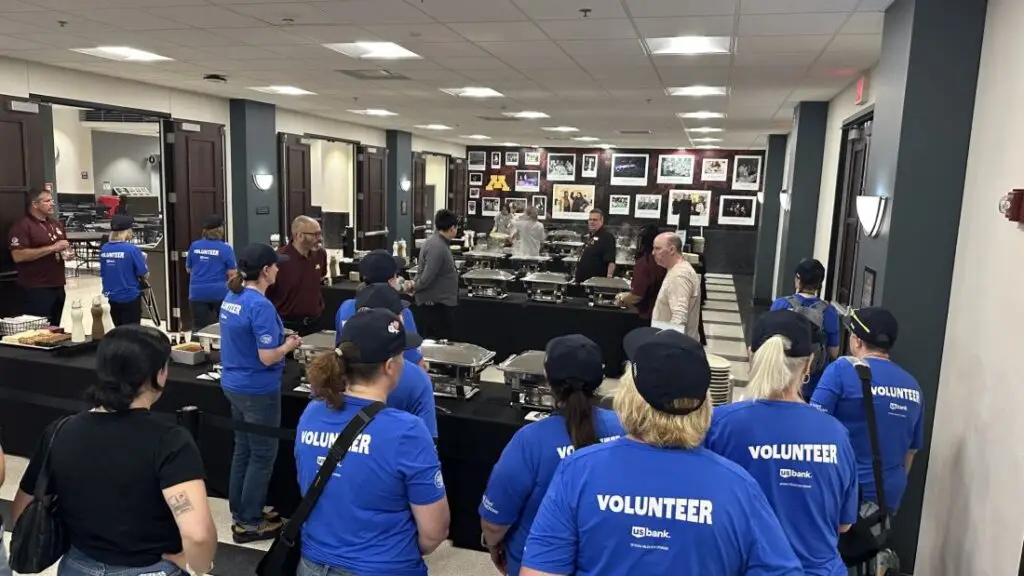
The effort required nearly 22,000 non-salaried labor hours, including approximately 15,500 hours from hourly team members and more than 6,000 volunteer hours. Roughly 1,600 dining volunteers supported the operation, along with team members from other Chartwells campuses and Compass Group sister company Levy.
It was the first time Chartwells had supported an event of this kind at such a scale.
Creating a Taste of Home
Some of the most memorable moments “came from listening to the teams and finding ways to create personal connections,” said Anderson.
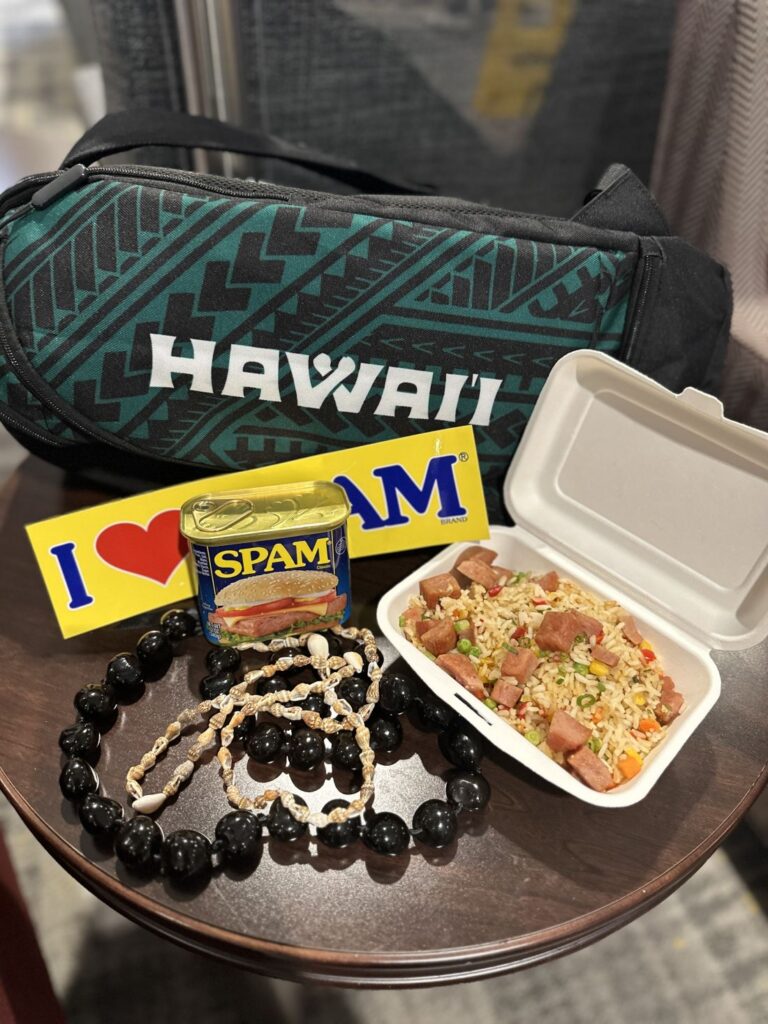
For example, a conversation with Team Hawaii about its love of SPAM inspired Anderson and his team to prepare a special SPAM fried rice meal. The connection was particularly fitting: SPAM was created in Minnesota but has become deeply ingrained in Hawaiian food culture. Anderson also worked with Hormel to send the athletes home with SPAM-themed swag.
For Team Wisconsin, Director of Operations Luke Robinson arranged to have fresh cheese curds brought across the state line. “They were a huge hit,” said Anderson.
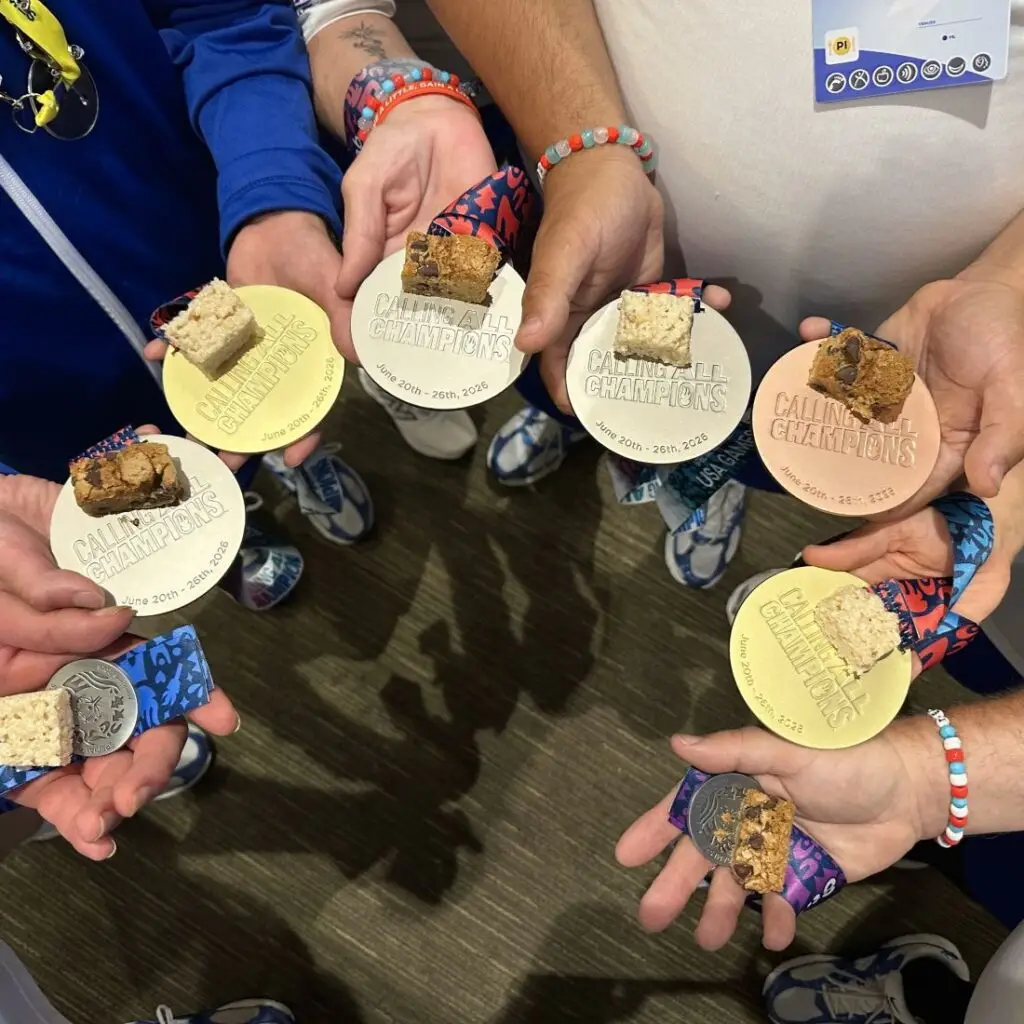
Those personal touches continued throughout the Games. Team Minnesota’s coach received a Rice Krispies “birthday cake.” Athletes and dining staff bonded over pin trading, mini corn dog cornhole and even a full dining hall dance party.
Team Hawaii later returned to celebrate its basketball gold medal with the dining team, giving Anderson and his staff members traditional leis and uka shell necklaces.
“The numbers were impressive, but the personal moments are what stood out most,” Anderson said.
Laying the Foundation for Meaningful Moments
For operators facing similarly complex events, Anderson said the lesson is to build an airtight operational foundation without allowing logistics to overshadow hospitality.
“The biggest piece of advice would be to plan for the scale, but not lose sight of the people,” he said. “The athletes and teams were not just looking for meals. They were looking for comfort, energy, celebration and a sense of home while they were away from home.”
And some of the best hospitality can’t be scripted.
“Some of the most meaningful parts of the week were not things we could have planned in advance,” said Anderson. “They happened because team members listened, cared and were empowered to create something personal in the moment.”
Subscribe to CFE News' twice-monthly newsletter reporting on the business of catering, foodservice and events.