By Sara Perez Webber
For independent catering companies, landing a major corporate dining account can provide a valuable source of steady business. But what happens when those accounts go to a national foodservice provider?
That’s the challenge facing Seattle-based DSquared Hospitality Company, which is preparing to lose two longstanding accounts in December: T-Mobile to Aramark and Benaroya Hall to Sodexo Live! The transition has resulted in 83 layoffs on the T-Mobile campus.
Now the family-run DSquared–which includes Tuxedos & Tennis Shoes Catering, the division that launched the company 40 years ago–is planning to expand its offsite catering business and capitalize on its two Seattle event venues.
Deep Seattle Roots
Founded in 1986, DSquared Hospitality employs approximately 300 people at full capacity and caters about 1,500 events annually, in addition to providing corporate dining services. Its catering business is approximately 70% corporate and 30% social.
The company managed foodservice operations at Benaroya Hall, home of the Seattle Symphony, for 14 years and at T-Mobile’s campus for six years. Losing those accounts highlights the competitive pressures facing regional hospitality companies as national operators pursue large corporate and institutional contracts.
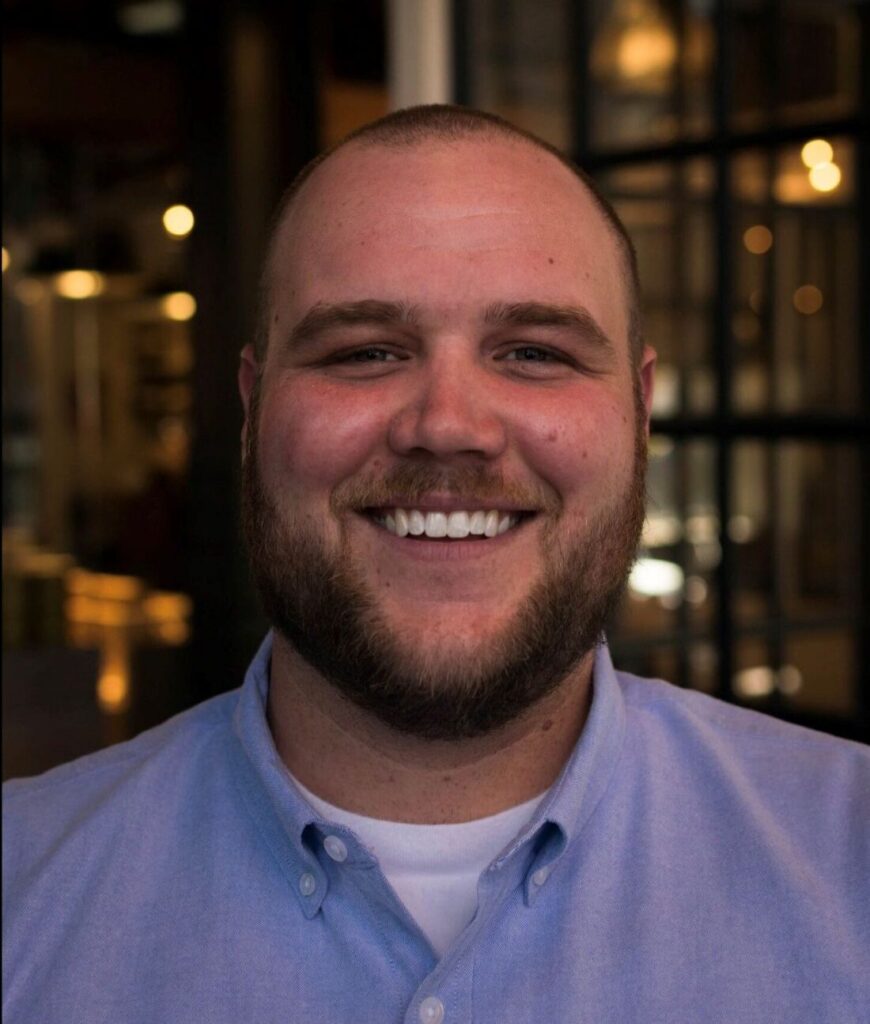
Reed Haggerty, chief operating officer of DSquared Hospitality, sees the shift as part of a broader trend in which corporate clients are increasingly prioritizing the streamlined operations and resources offered by national providers over the benefits of working with local companies.
Can Local Caterers Still Compete?
Despite the challenges, Haggerty believes independent operators can continue to win corporate dining business—though there are fewer caterers competing for the business, so the competition can be fierce.
“The client needs to be right,” he says. “There are absolutely organizations looking to bring in local vendors.”
Haggerty points to several advantages that local hospitality companies can offer, including:
- Strong relationships with area suppliers, enabling local sourcing
- Decision-makers who are local, and therefore easily accessible to clients
- Established staffing networks who are trained in guest-first hospitality
- Investment in the local economy, which appeals to sustainable-minded companies
Supporting Employees Through the Transition
The loss of the two accounts will affect 62 full-time and 21 part-time employees around December 20, according to DSquared’s October 21 announcement.
With the transition scheduled just days before Christmas, DSquared made early communication with employees a priority.
“We spoke to everyone at the beginning of September so folks had the opportunity to start looking for work,” Haggerty says.
DSquared also worked directly with Aramark to help affected employees find opportunities with the incoming operator. According to Haggerty, Aramark extended 57 job offers to the 83 laid-off staff members.
His advice for other catering companies facing a similar situation is straightforward: “I would highly recommend creating a relationship with the incoming provider as soon as possible. That really helped us set our team up for success.”
A Renewed Focus on Events and Catering
As DSquared prepares for the next chapter, the company is concentrating on the areas where it sees the greatest opportunities for growth: offsite catering and its two Seattle event venues.
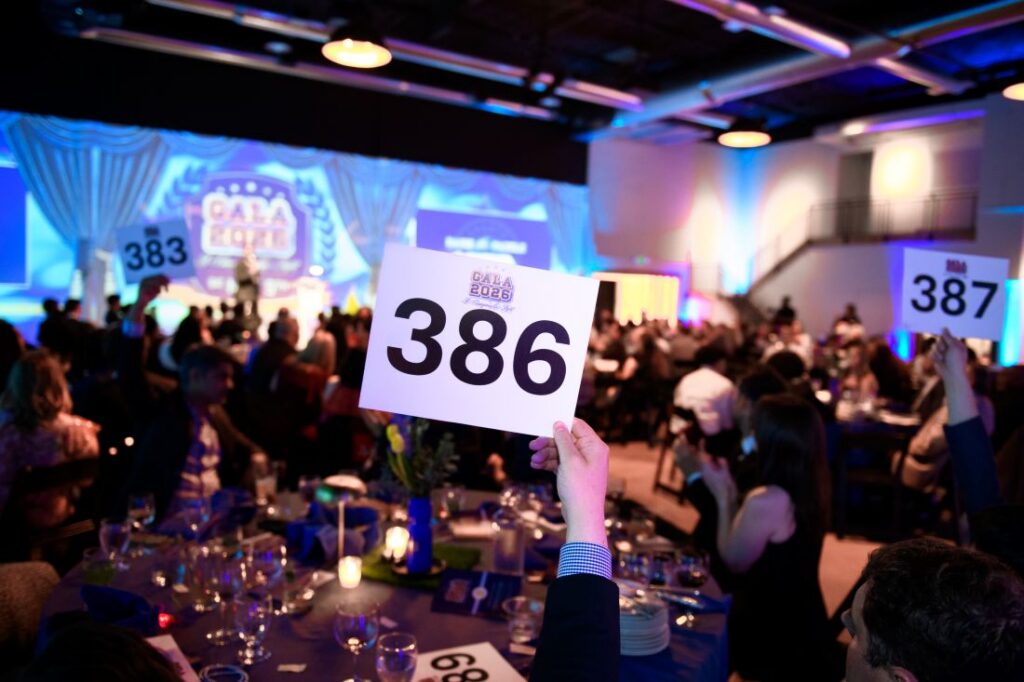
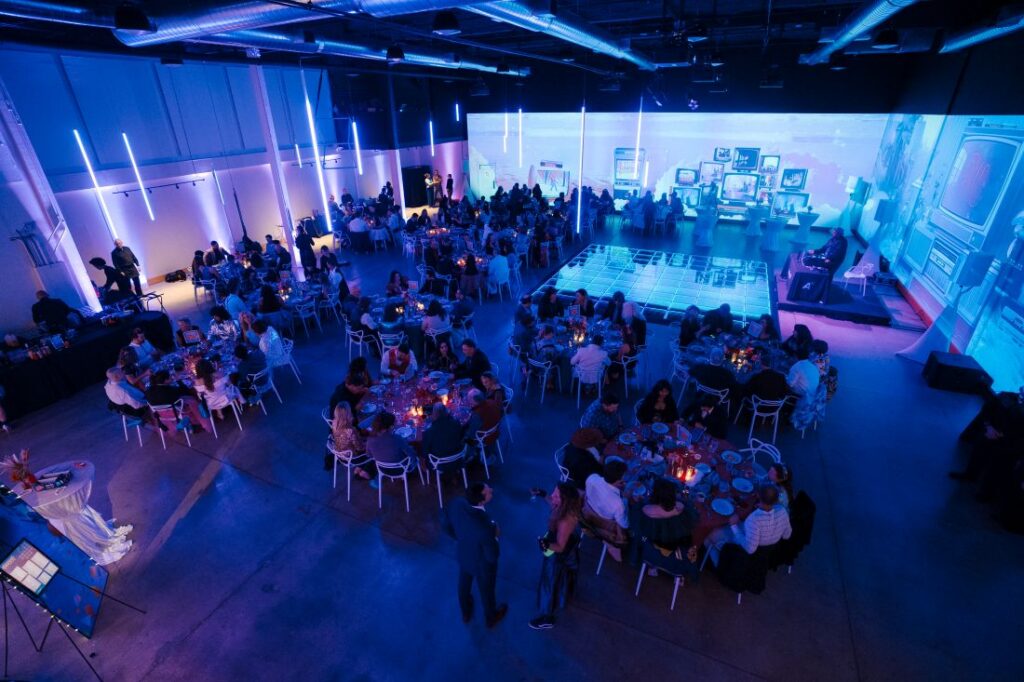
One is 4105, a contemporary event space in Seattle’s SODO district, featuring 120 feet of continuous projection walls. Haggerty sees the venue as particularly well suited for galas, art shows and social events that can take advantage of its immersive visual capabilities.
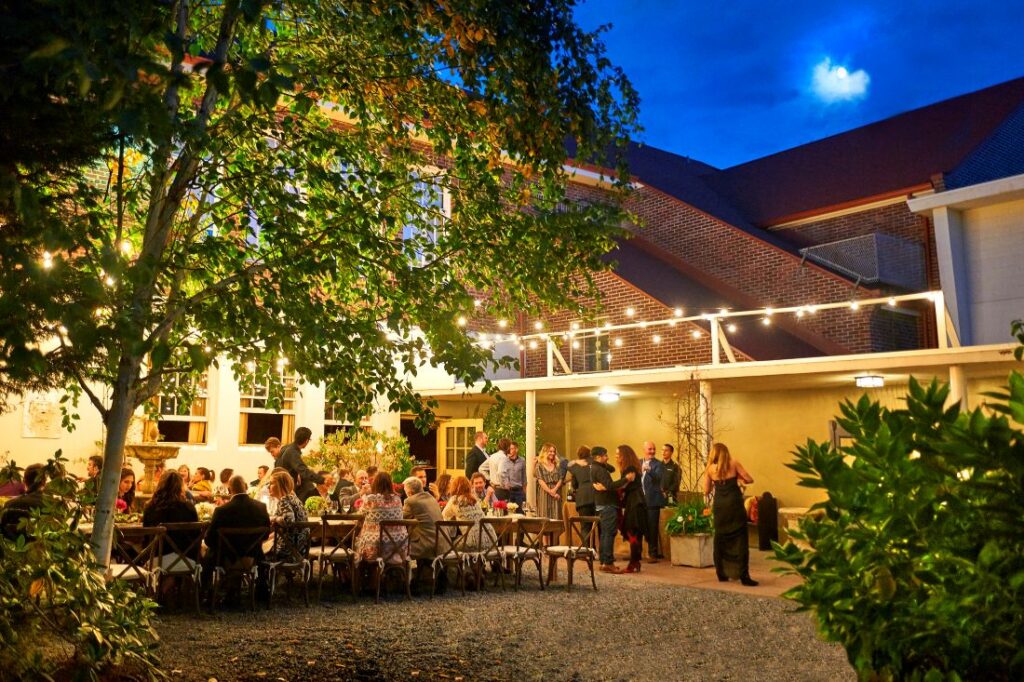
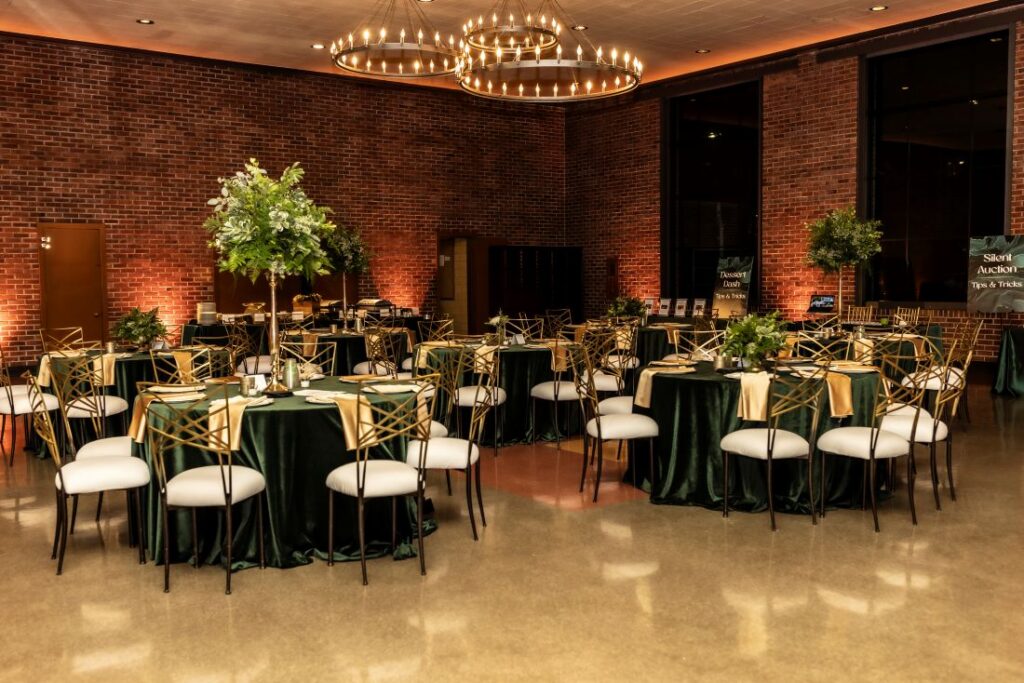
The company’s other venue, the Hall at Fauntleroy in West Seattle, is focused on weddings. DSquared is evaluating potential enhancements to “continue to stay at the top of the market,” says Haggerty.
The strategy builds on DSquared’s established catering operations and experience serving corporate and social clients throughout the Seattle region.
While the loss of two major accounts represents a significant setback, DSquared’s response offers a lesson for other independent hospitality operators navigating an increasingly competitive marketplace: Build on the strengths that differentiate your company, look for clients who value those strengths, and be prepared to adapt as the market changes.
Says Haggerty: “Our company has built its reputation on bringing people together through great food, thoughtful service and memorable experiences, and that remains at the heart of everything we do.”
Subscribe to CFE News' twice-monthly newsletter reporting on the business of catering, foodservice and events.