By Sara Perez Webber
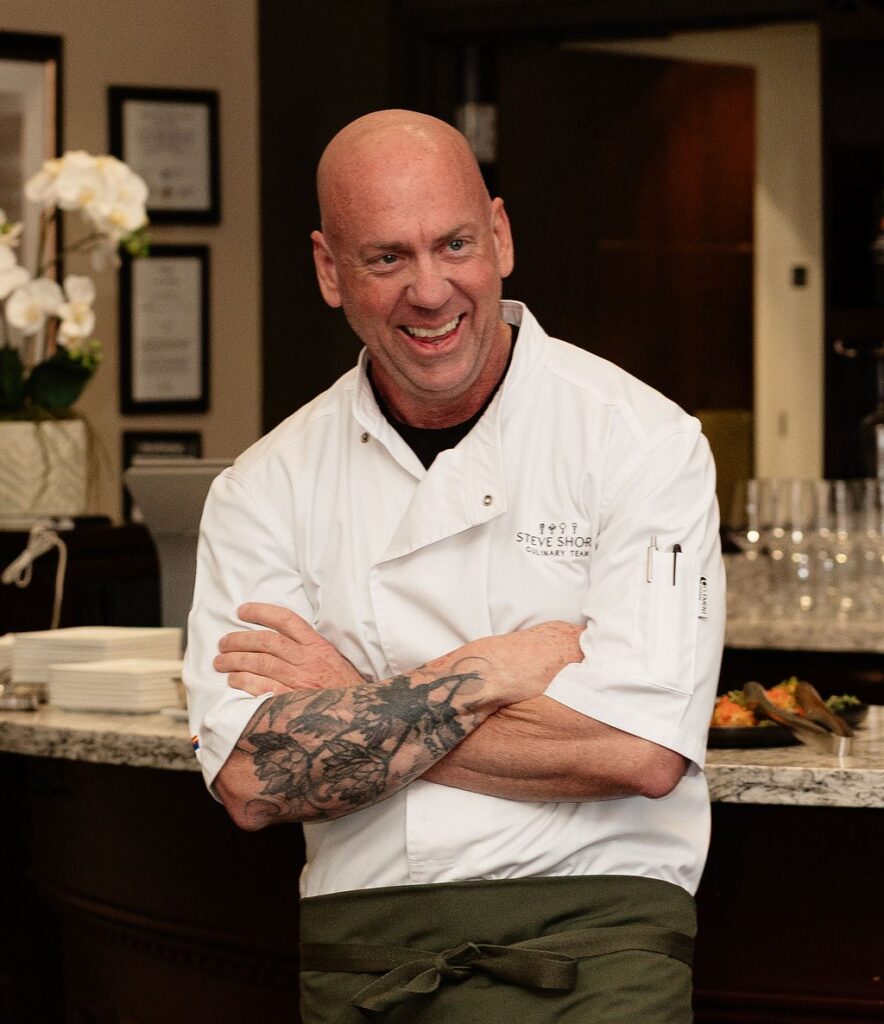
This article is the first in a new interview series spotlighting members of the CFE News Editorial Advisory Board—industry leaders who are helping to shape the future of catering, foodservice and events. First up: Steve Short, COO and CCO of Steve Short Culinary Team in Phoenix.
In catering, growth can tempt operators to be everything to everyone—taking on more events, more clients, more venues and every type of business that comes their way. But Steve Short, chief operating officer and chief culinary officer of Steve Short Culinary Team, has found that growth often starts with the opposite approach: clearly defining who you are, what you do best and which customers you are built to serve.
That philosophy has helped the Phoenix caterer grow from a casual barbecue and boxed-lunch operation into a diversified hospitality company with nearly 100 employees and approximately $12.5 million in annual revenue, a portion of which is managed revenue.

Defining the Next Chapter of a Family Business
The discipline to get there wasn’t something Short arrived at overnight—it’s the product of a lifetime spent in kitchens, going back to childhood.
He grew up working in the family business. His parents had launched Atlasta Catering Service with, as the company’s website notes, “a six-burner stove, a handful of clients, a loan and a dream.” After culinary school, Short eventually bought the company with his wife Kristine, now CEO.
The couple realized that Atlasta Catering “needed another vision for the next chapter,” says Short. Key to that chapter was “identifying who we were.”

Arizona-Influenced New American Cuisine
For Short, that process included defining a culinary point of view. During his early days in the kitchen, Short was inspired by the pioneers of New American cuisine, such as Alice Waters. “It was a way of thinking that valued seasonality, sustainability, local agriculture, exceptional ingredients and cooking with honesty,” he says.
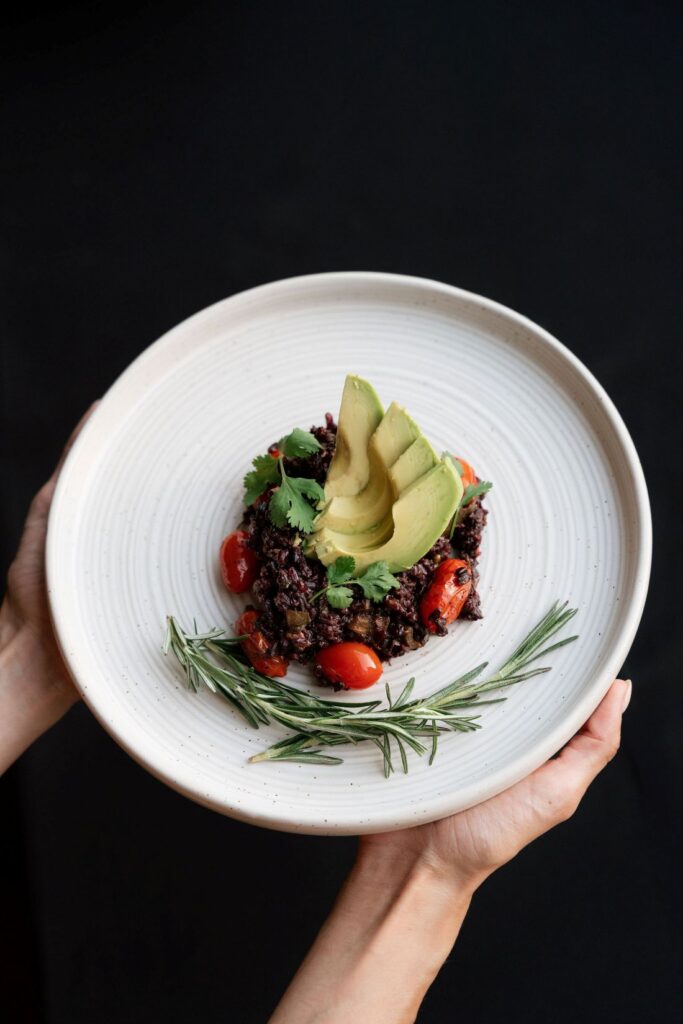
The rich cultural traditions of his home state and beautiful natural surroundings also helped shape Short’s cooking ethos. “It evolved into what I describe today as ‘Arizona-influenced New American cuisine,’” says Short. “Our cuisine is influenced by the Sonoran Desert, Native ingredients, Northern Mexico, California, and a style of open-fire cooking that celebrates wood, smoke and restraint—allowing exceptional ingredients to remain the focus rather than overwhelming them.”
Sustainability as a Business System
Another defining shift began during the recession in 2009, which Short describes as his company’s most challenging period. “I started this process of sustainability in the most chaotic time of my career to try to calm myself, to try to stay present, to try to find another path and another way of doing business,” he says.
Like the moat-building analogy in Blue Ocean Theory, adds Short, this pivotal decision ended up giving his company a strategic competitive edge.
With guidance from graduates of Arizona State University’s School of Sustainability, Short started with the basics: trash, which the company now calls “loss.” Everything was measured—what came in and what went out.

Now Steve Short Culinary successfully executes zero-landfill events. Trash cans don’t exist at the company—in the commissary or at events. Instead, all waste that can be recycled is immediately cleaned and sorted.
Excess food is inevitable in catering, explains Short, since sparse-looking events can put a caterer out of business. But his company has a plan for that. Surplus goes to three destinations, in order of priority: people facing food insecurity, via local nonprofit Waste Not; farm animals kept for purposes other than slaughter; and composting operations that turn scraps into soil.
The scale is significant. Short’s company donates roughly 70,000 pounds of food to the community each year.
Launching a New Drop-Off Division
The sustainability push had an unexpected side effect: it forced Short to define his business with more precision than he ever had before. “Identifying our cuisine, our style of service, how we execute our metrics, our systems—these are all things that sustainability challenged us to do,” he says.
That clarity about who they were—and who they weren’t—would soon shape one of the company’s biggest growth decisions: the 2017 launch of its drop-off division, Casual Catering.

Short realized some clients were looking for a different way to be served. “They wanted less footprint,” he says. “They didn’t want kitchens built on their property for certain events, and they needed quicker service.”
Initially, Short assumed customers looking for a simpler catering experience also wanted lower-cost food, made with less expensive ingredients. His team soon realized, however, that that wasn’t the case. “When you order from our Casual Catering line, it’s the exact same food from the exact same kitchens, from the exact same chefs, from the exact same recipe books,” he says. “It’s just delivered in a different way.”
Casual Catering also solved a capacity problem created by one of the company’s firmest policies: it never uses temporary staff. “We believe that our industry should be creating hospitality professionals,” Short says. As bookings for Atlasta Catering hit their ceiling, the new division allowed the company to keep growing without compromising that staffing commitment.
Casual Catering has grown by roughly 2,000 percent since its 2017 launch by consistently delivering, as Short puts it, “what we believe the customer is really asking for.”

A Decades-Long Partnership with ASU
Arizona State University (ASU) has played another major role in the company’s evolution.
Short’s relationship with ASU began in 2003, when he pursued a small contract at the University Club. At the time, he admits his approach to growth was not nearly as disciplined as it is today: “I would get the business first and figure out how to make money later.”

Yet the partnership was fruitful, enduring for 22 years, with Short’s company handling private events, higher-end hospitality and liquor license management while larger foodservice companies managed other parts of the campus. “We poured everything into it that we possibly could,” says Short. “A lot of our philosophies on sustainability started there.”
When ASU decided to move toward a single-campus provider, Short initially expected his company’s run there to end. Instead, several multinational foodservice companies approached him about forming a strategic partnership.
He ultimately aligned with Aramark, which won the university contract in 2025. The new 15-year partnership opens up opportunities across ASU’s sprawling campus system, and Short predicts his company’s university business could quadruple over the next three years.
Plans for Continued Growth
Today, Steve Short Culinary Team encompasses Atlasta full-service catering, the drop-off Casual Catering brand, Cellar 9 Beverage Catering, the Campus Provisions on-location dining program, Short Hospitality restaurant management and Clear Stock hospitality consulting. “All of those divisions will experience growth as we see the pipelines develop,” says Short. “Then we will continue to hire, and we will continue to train, and we’ll continue to develop.”

He sees strategic partnerships as a prime area for growth—and an emerging trend for caterers in general. Venues such as art museums will increasingly veer away from approved caterer lists, predicts Short, and entrust their hospitality needs to a single partner.
Lessons Learned Along the Way
Looking back, Short says some of the most important lessons of his career are the ones he wishes he had understood from the beginning—and they offer a useful roadmap for other caterers building and growing their own businesses.
- Build around a philosophy, not just a reputation.
A strong reputation is necessary, but Short believes identifying clear business philosophies is more powerful because it guides decisions and creates accountability. “Philosophies are much more restraining,” he says. “You have to be true to them.”

- Accept that not everyone is your customer.
A successful caterer doesn’t have to be everything to everybody. Instead, operators should define their brand, identify the clients they are best suited to serve, and build the business around delivering the results those customers value.
- Define what winning looks like for your business
Earlier in his career, Short says he constantly felt as though he was running out of time or that competitors were gaining ground. He now sees patience as one of a business owner’s greatest strengths. The lesson, he says, is to resist chasing every opportunity simply because it is available. “You have to define what’s a win and what’s a loss to your company, and that’s different for every single organization that you go into,” he says.
- Know your costs.
Short advises caterers to invest in purchasing and costing systems as early as they can. When operators truly understand their costs, he adds, they are better able to understand their customers and the results the business can realistically deliver.
- Never underestimate the power of your story.
Short wishes he had recognized earlier how important storytelling is in connecting a company’s philosophy with the right clients. For him, that starts with direct engagement. Despite the size of the company, Short still personally conducts every tasting. “That’s become a critical point of our sales process,” he says. “If you can explain why you exist and the passion behind it…you’re in the process of becoming the undeniable choice for the client.”
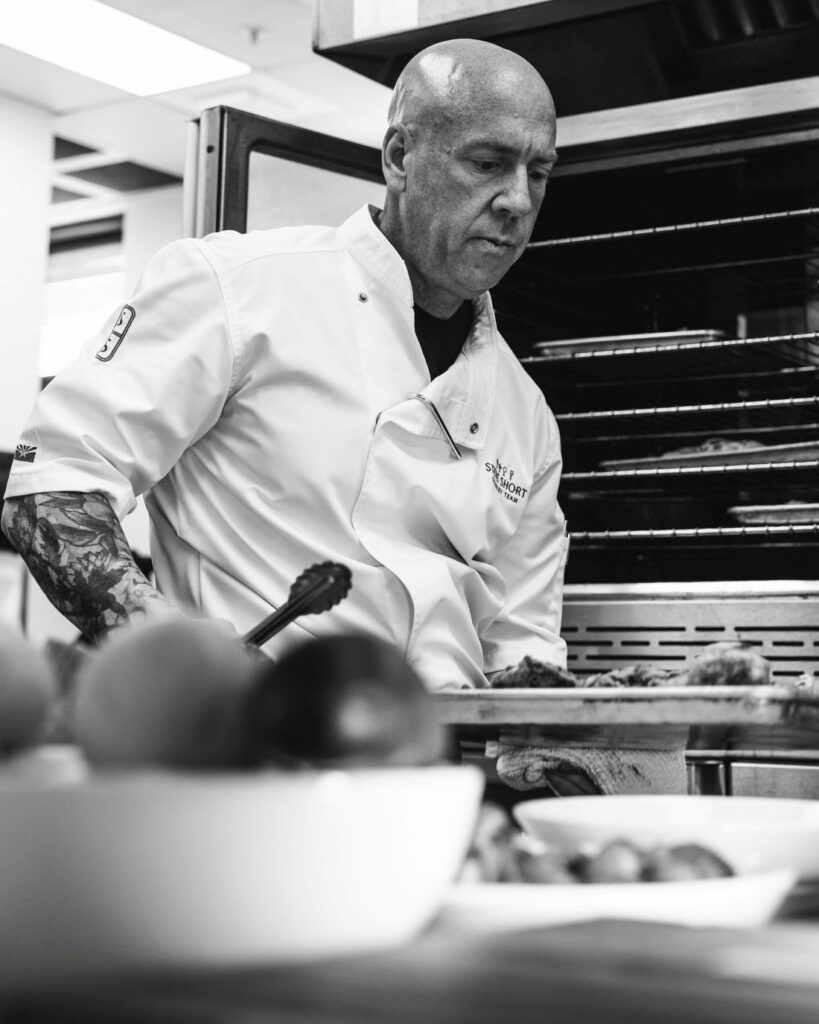
What it all comes down to, stresses Short, is a simple idea: Define your own standards, then build your business around them. While that path requires time and introspection, Short’s experience suggests that clarity of purpose can be one of a company’s most valuable competitive advantages.