Miami Beach was buzzing even more than usual the third week of March, when leaders from 15 of North America’s most influential catering companies gathered at The Ritz-Carlton, South Beach. These members of Elite Catering + Event Professionals (ECEP) were celebrating their fifth annual Symposium—a week of inspiring speakers, insight-packed sessions and memorable meals at top restaurants.
The ECEP Trends Council convened at the conference, compiling a list of 10 catering and hospitality trends identified by these industry heavyweights. The third annual ECEP Trends Report reflects how catering’s most influential operators are reading the room—and redefining it.
Classic Flavors, Modern Techniques
A renewed appreciation for classical cuisine is taking hold—but with a modern edge. From Proof of the Pudding comes a trend that revisits the foundations of French culinary tradition while introducing contemporary techniques and a sense of tableside theater.

Traditional sauces, precise methods and disciplined culinary training are once again at the forefront. At the same time, innovations such as liquid nitrogen and modern presentation techniques add a layer of surprise and engagement. “We are leaving behind trend-chasing dishes that lack technical depth or culinary intention,” says Nick Klug, Proof of the Pudding’s senior vice president of culinary.
“Swavory”: A Blend of Sweet, Savory and Butter

Across social media platforms like Instagram and TikTok, the fusion of sweet and savory—playfully dubbed “swavory”—continues to gain traction, with one ingredient leading the charge: butter.
Instagram chefs like Nadia Aidi from Food My Muse are leaning into the movement with inventive recipes—think butter flights, butter eggs and even layered herb butter cakes. On the retail side, Stew Leonard’s has embraced the trend with butter ice cream.

As Michael Stavros of M Culinary Concepts notes, the concept translates seamlessly to events: vanilla soft-serve dipped in melted salted butter, creating a crisp shell finished with a sprinkle of sea salt. A simple execution with high impact.
Holiday Tables That Embrace Individuality

A new holiday classic is on the horizon as traditional holiday palettes are no longer a given. The familiar reds and greens, or even the expected blue and white, are making way for something far more expressive.
Ridgewells has taken a distinctly haute couture approach, reimagining the holiday table as a canvas for bold color and high design. This past season, their work pushed beyond subtle reinterpretations into a full celebration of unexpected hues—layering vibrant tones, rich textures and dramatic compositions that felt more fashion runway than festive tradition.
Across the industry, we are seeing similar experimentation. Jewel tones, saturated brights, monochromatic statements and even avant-garde combinations are redefining what “holiday” can look like. The shift reflects a broader desire for events that feel unique and visually memorable rather than bound by tradition.
Bespoke Menus

Personalization is evolving from a selection of custom options into something more immersive. Today’s clients are seeking menus that feel entirely bespoke—crafted to reflect the event, the brand and the people at its center.
Caterers such as Bingemans are finding that clients increasingly want a collaborative partner in this process. The expectation is no longer simply to choose from a list, but to co-create an experience from the ground up. This shift is driving demand for deeper involvement across every touchpoint—from menu development to presentation and even branded details that align seamlessly with the event’s identity.
Luxury Ingredients

Last year, caviar appeared on nearly every menu and in a variety of ways. This year, the appetite for elevated ingredients shows no signs of slowing. This trend has evolved beyond a single standout item into a broader use of luxury items that are defined by quality and restraint, not excess.
Caterers like Proof of the Pudding are seeing clients intentionally allocate more of their budgets toward premium ingredients and refined finishes. Guests are opting for shaved truffles, Wagyu beef, otoro tuna, and elevated seafood experiences that feel both indulgent and considered.
The Menu Is the Message

Cuisine is taking on a deeper role at events as a vehicle for storytelling. Increasingly, menus are being designed not just to serve guests, but to communicate meaning.
Cedar Spoon Indigenous Catering is seeing strong demand for culinary experiences that carry cultural and narrative significance, particularly in the corporate event space. Clients are seeking menus that align with their values, their purpose and the message behind the gathering itself.
Indigenous cuisine, when approached with respect and intention, is emerging as a powerful expression of this shift. It offers an opportunity to create authentic storytelling through ingredients, techniques, and traditions that invite both connection and understanding.
Something to Talk About

As guests become more curious and informed about what they’re eating, catering is leaning into that sense of anticipation. Passed hors d’oeuvres are no longer just a fleeting bite—they’re becoming conversation-starters.
Ridgewells Catering is elevating the experience with trays featuring food-safe vinyl graphics that clearly name each offering. While this removes the guesswork, it enhances intrigue. Clever, evocative names invite guests to pause, read and engage before taking a bite.
These thoughtfully presented, single-layer bites carry more than flavor. They often reference a story, an ingredient or a cultural influence, adding depth to even the smallest course. The result: food becomes a social connector. Guests gather, ask questions and share reactions, turning a simple pass into a moment of interaction.
Breaking Wedding Food Rules

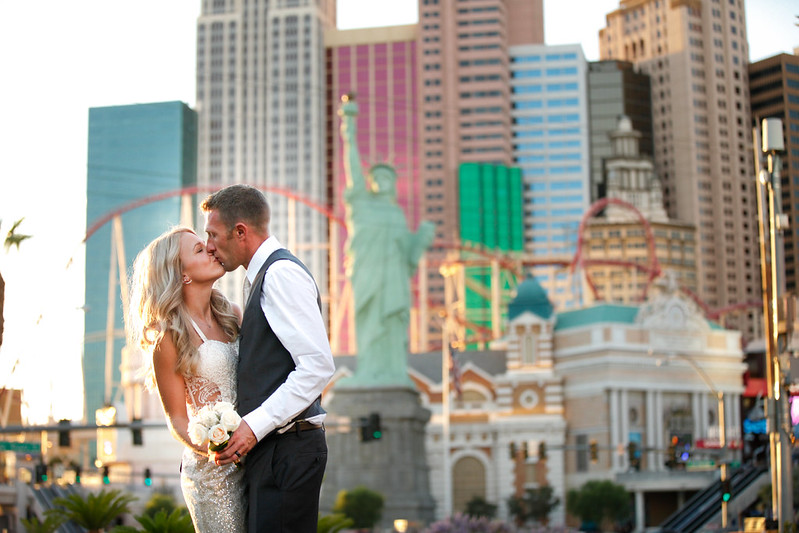
Wedding menus are becoming more personal and, in the process, more playful. Longstanding expectations around “formal” wedding cuisine are giving way to something more expressive, where comfort food and fine dining intersect.
According to Mark Richardson of The Catered Affair, the high-low approach will continue to define wedding menus into 2026 and beyond. Couples are embracing dishes rooted in regional traditions and childhood favorites, reimagined with refined technique and elevated ingredients.
“Comfort dishes resonate because they are rooted in memory,” Richardson notes. “The trend is to present them in a refined form, elevating technique, ingredients and presentation—all while keeping the soul of the original.”
Branding Food with Monograms

At weddings, the couple’s monogram is finding new and increasingly creative expressions. What once lived primarily on invitations or dance floors has expanded across the entire guest experience, from wedding websites and cocktail napkins to unexpected culinary moments, including custom-branded burgers and desserts.
This evolution reflects a broader desire for personalization that feels cohesive and immersive. Couples are looking beyond surface-level details, weaving their identity into every touchpoint of the celebration. In catering, this translates to edible branding—custom stamps, printed wafers, embossed buns and tailored packaging that carry the couple’s mark in subtle but memorable ways.
Popular Culture Comes to Dinner

Ever since Andy Warhol transformed the everyday Campbell’s Soup Can into iconic art, the relationship between culture, branding and cuisine has invited reinterpretation. Today, that influence is showing up on the plate.
Caterers are drawing from recognizable brands and cultural touchpoints to create moments that feel both nostalgic and unexpected. Vestals Catering, for example, reimagined the familiar shape and branding of Pringles as a playful vessel for elevated chicken nuggets—transforming a casual snack into a conversation-worthy bite.
Similarly, M Culinary Concepts leaned into the iconic soup can reference with a refined twist, serving soup “sips” in elegant demitasse cups—an homage that feels both clever and elevated.

Subscribe to CFE News' twice-monthly newsletter reporting on the business of catering, foodservice and events.