By Sara Perez Webber
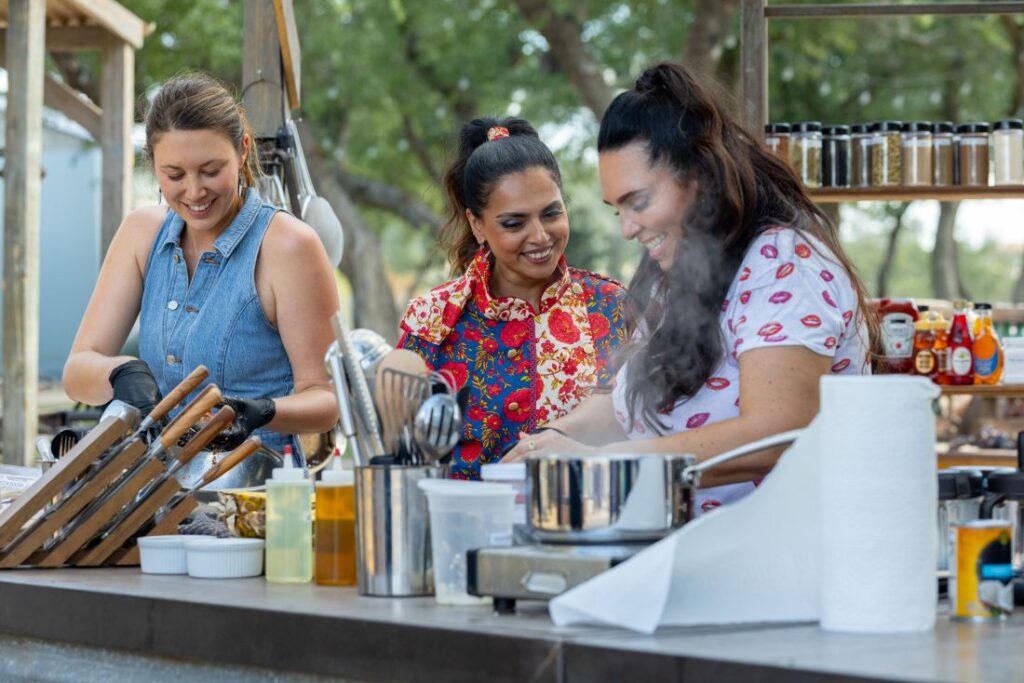
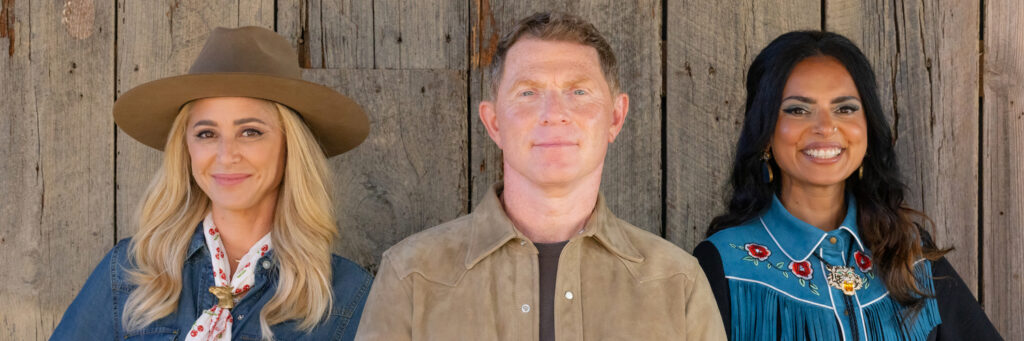
Maneet Chauhan knows how to win a barbecue battle. The acclaimed chef and restaurateur coached her team of pitmasters to victory on last season’s BBQ Brawl on Food Network. Now she’s back as a coach on the current season, ready to defend her winning legacy.
In an exclusive interview with CFE News, Chauhan opens up about her love of live-fire cooking, the influence of Indian culinary tradition on her BBQ philosophy, and the advice she’d give to operators looking to tap into the soaring popularity of all things barbecue.
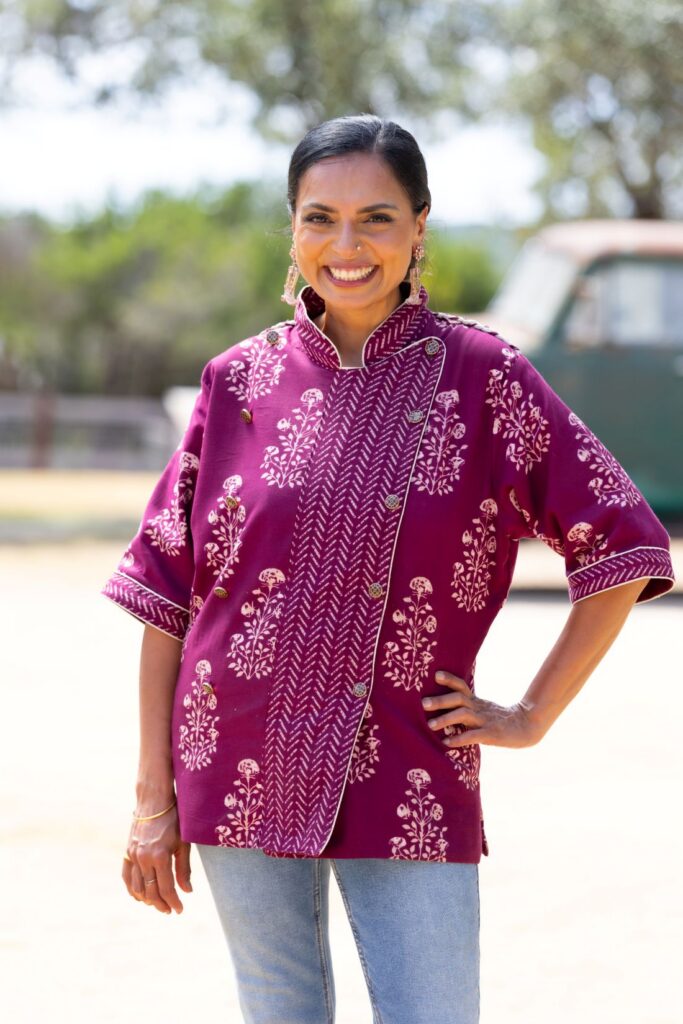
CFE News: What drew you to BBQ Brawl, and how was your experience as the winning coach on the show’s previous season?
Chauhan: BBQ is the oldest way of cooking around the world, and a show all about that style of cooking was exciting to me. Last year’s experience was fulfilling, and I loved seeing one of my team members win. I just knew that I had to come back and defend my title.
CFE News: When you think about barbecue at its best, what style or type of BBQ is your personal favorite—and what makes it stand out to you?
Chauhan: To me, BBQ is all about perfectly cooking the meats. It can be Peruvian, Indian or the traditional BBQ—I love all of them!

CFE News: Indian cuisine has some of the world’s most sophisticated traditions around fire, smoke and spice. How do you draw on those traditions, and can you give us an example of an Indian-inspired flavor combination that you think works beautifully with smoked or grilled proteins?
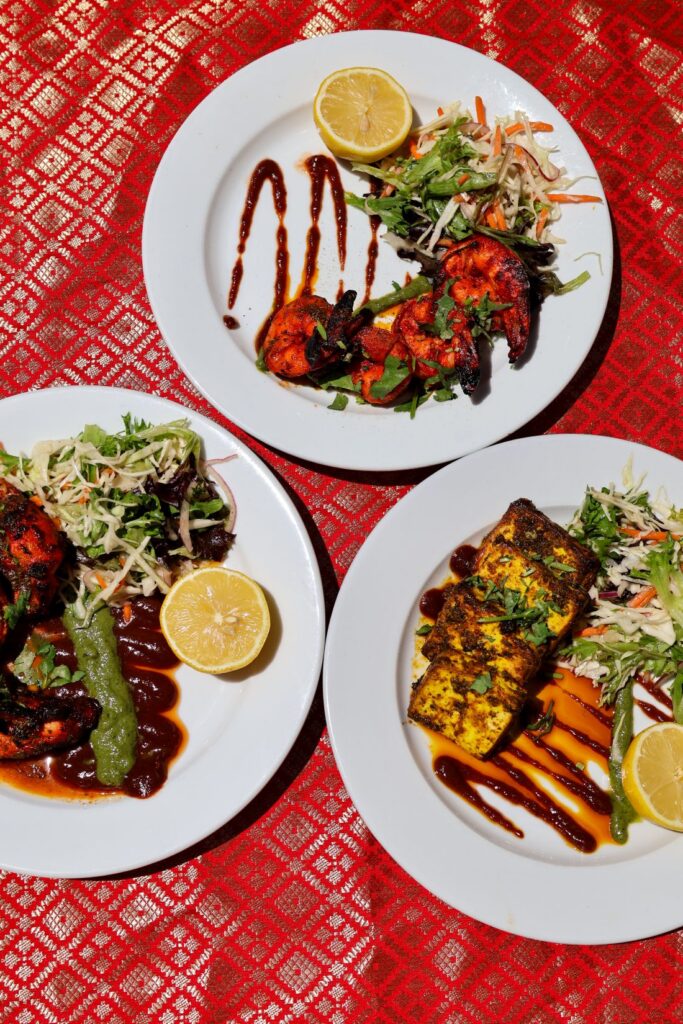
Chauhan: I think the most amazing part of Indian cuisine is the use of spices to enhance the natural smoke. There is something known as a tandoor—which is how I cook a lot of food. It really enhances flavors by cooking with a live fire.
Think of kabobs. It’s not traditional BBQ that people think of, but we are cooking a lot of our food that way. My restaurant Chauhan Ale & Masala House has many tandoori dishes, which typically feature a protein and yogurt, fresh ginger and garlic-based spices like cayenne, turmeric, cumin, etc.
CFE News: Do you see barbecue becoming more popular with diners and event guests—and if so, what do you think is driving that demand?
Chauhan: Absolutely, and I think it’s going to become even more popular. People are appreciating the art of live-fire cooking. It’s the most primitive way of cooking, but it’s all about harnessing the fire and making sure it works for whatever dish you’re making. The more people know about it, the more they’re excited to try what is out there. BBQ is here to stay.
CFE News: How does barbecue show up on your restaurant menus, and what advice would you give caterers or chefs who want to incorporate BBQ in a way that’s operationally realistic but still exciting and distinctive?
Chauhan: In my restaurant, we are cooking breads over light fire (naan), meats and kabobs are cooked on BBQ, etc. We have a huge presence on the menu, but it’s not the traditional BBQ that people may think!
My biggest advice would be try to stick to natural flavors, and don’t use artificial flavors or liquid smoke. Let the char and smoke be natural and finish the dish. Don’t be afraid of it. Play with different woods, like mesquite, hickory or pecan. Understand those things first, and then work on celebrating those flavors.