By Sara Perez Webber
In his new book, Spain My Way: Eat, Drink, and Cook Like a Spaniard, renowned chef José Andrés says he has a mission: “to make sure that Americans love Spanish food as much as I do, and to keep alive the hope that maybe someday every single American household will have a paella firepit in their backyard.”
It’s an ambitious goal—but then again, Andrés has never been one to think small. After opening a single tapas restaurant, Jaleo, in Washington, D.C., in 1993, he helped introduce generations of American diners to the pleasures of Spanish small plates, croquetas, tortilla Española and the convivial art of sharing food around the table.
Today, the Michelin-starred chef’s José Andrés Group operates more than 40 restaurants across the United States and beyond. He is an Emmy Award-winning television host and producer, a bestselling author and the founder of World Central Kitchen, the humanitarian organization that has fed millions of people in disaster zones and communities affected by crisis.
Part cookbook and part memoir, Spain My Way takes readers on a deeply personal journey through the dishes, regions and family memories that shaped one of the most influential chefs working today. It is also an invitation to look beyond the familiar idea of Spanish cuisine and explore its enormous regional diversity—from the seafood and cheeses of Asturias to the rice dishes of Valencia, the flavors of Andalucía, and the culinary traditions of Catalonia and the Basque Country.
Throughout Spain My Way, Andrés’ larger message is one of hospitality: food as a vehicle for memory, generosity and connection. “My favorite dishes are the ones that tell stories,” Andrés writes.
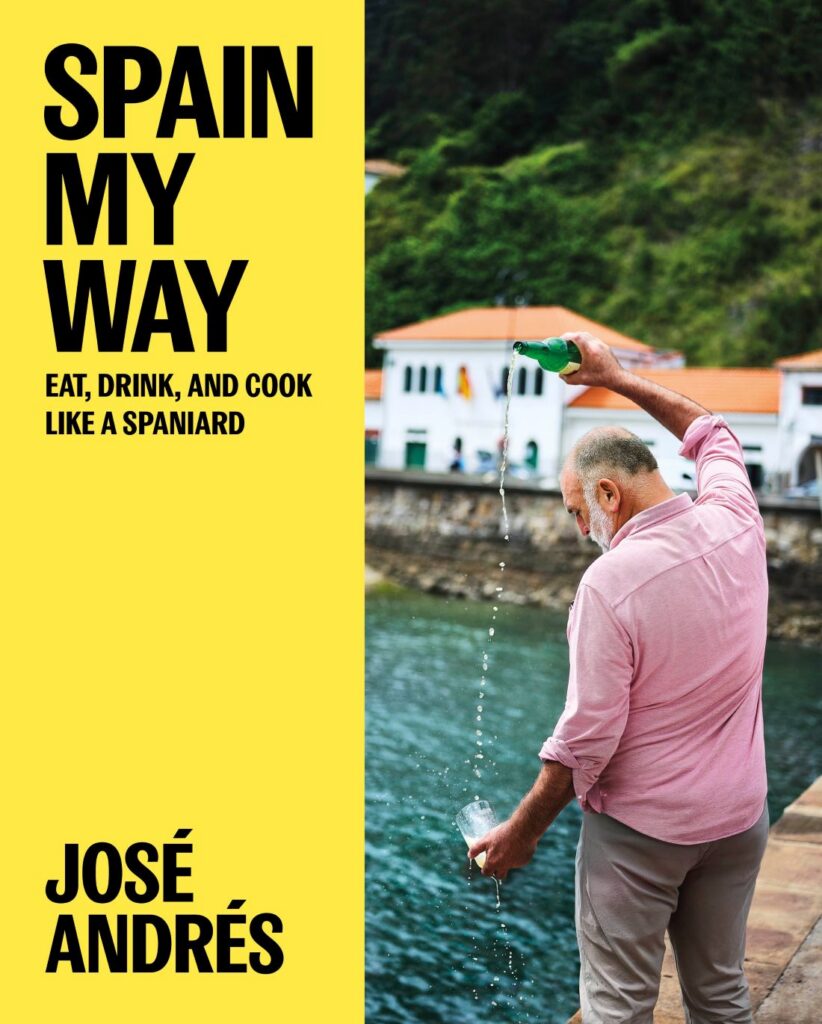
In an exclusive interview with CFE News Editor-in-Chief Sara Perez Webber, Andrés shares his thoughts on how to add Spanish cuisine to a catering menu, the importance of giving guests context for what they are eating and the simple lesson about generosity that has stayed with him since childhood.
Sara Perez Webber: In Spain My Way, you tell the story of Spain through the food you love most. For American chefs and caterers who want to introduce more Spanish flavors to their menus—or perfect one or two traditional dishes—where should they begin?
José Andrés: One of my very first jobs in the kitchen was actually in the big convention center in Barcelona, I must have been around 14 or 15 years old, and we were cooking huge amounts of food for people visiting the center. And we were feeding them very well! I remember we would have to flip these massive tortillas with dozens of eggs in them. There would be times I would lose a whole batch trying to flip this massive tortilla. But of course I would have to keep going no matter what, to make another one. That is when I learned very clearly that sometimes you need to break a lot of eggs to learn a lesson!
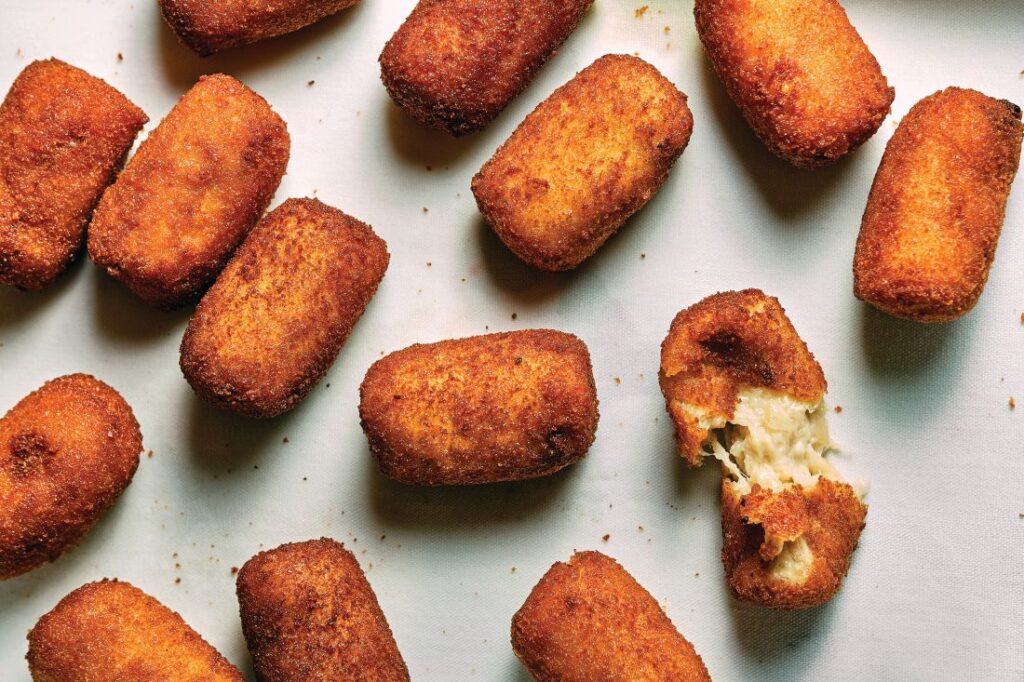
So if you want to start, maybe add a tortilla Española to your menu; you can feed a lot of people very, very well. Cold soups like gazpacho are easy to make in large batches and keep cold before serving—just make sure to taste them right before serving to get the salt and acid right. Albóndigas, Spain’s famous meatballs, are also great for catering, as are croquetas…as long as you are taking good care of your oil and frying them hot enough!
Webber: I lived in D.C. when you opened Jaleo, having recently returned from a study abroad program in Madrid. My friends and I were thrilled to find the tapas culture we had just discovered in Spain reflected so vividly in our own city. Do you see Spanish small-plate dining as a format that the U.S. catering and events industry has fully embraced, or is there still untapped potential there?
Andrés: I think there has been a great embrace of tapas by Americans, but we can always do more. A tapas restaurant isn’t really the same as what we have in Spain (and me, of course I run a tapas restaurant, Jaleo, so I am not saying anything negative about tapas restaurants!).
The magic of tapas in Spain isn’t just going to one restaurant for tapas; it’s a whole tapas crawl, tapear, going from place to place, having a drink and a few bites here and there. Maybe one restaurant only specializes in one dish—you have that and a glass of wine, then you move on. There are very few places in America that you can do that. I think you could try it in some cities—maybe even in Penn Quarter in D.C. Get some tapas at Jaleo, mezze at Zaytinya, piqueos at China Chilcano, antojitos at Oyamel, with a drink in hand…that would be a fun night out!
Webber: You often speak about the importance of storytelling in cuisine. How does that philosophy translate for foodservice operators who are feeding hundreds or thousands of guests at corporate events, weddings or conferences?
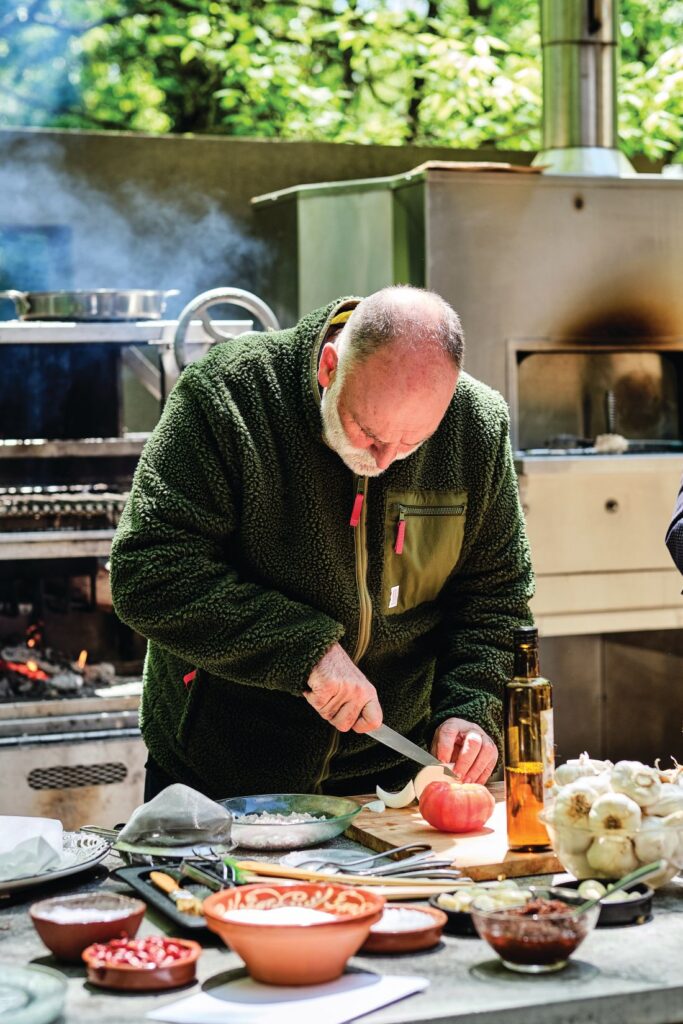
Andrés: I think there are beautiful, small ways to tell a story even when you are feeding many, many people. The dishes you pick will communicate a story even without words—the spices, the sauces, the flavors will make people feel a certain way. If you have ways to share a deeper story about a dish—through training of servers or notes on a menu—use that to your advantage to tell even just a sentence of a story behind a dish.
I always find that people are hungry to learn more, if you’re willing to share with them. The history of a dish, the language behind its name, the ingredients, the producers…all you have to do is offer the story and people will listen.
Webber: I have Asturian ancestry, so was especially interested in your recipes and memories from the region of your birth. How much of your food sensibility comes specifically from Asturias, and are you seeing increased knowledge in the U.S. about Spain’s regional culinary traditions?
Andrés: I lived in Asturias until I was 6 years old before moving to a town outside of Barcelona. I have generations of Asturias in my blood on my mom’s side (though she was born in the País Vasco herself), so of course I feel like a lot of what I saw and learned as a kid was from my mom. Cabrales with apples was one of her favorites, and I remember the libritos she would make, the younger sibling of the Asturian cachopo, the breaded and fried cutlet filled with ham and cheese.
And yes, I think more and more Americans are understanding that Spain is not a single thing, a monolith, but that many dishes come from a city or region…this is one thing we pushed in the new cookbook. The food in Catalunya is entirely different than in País Vasco or Andalucía or Asturias…I think more Americans recognize that and will start to be able to identify these dishes on menus when they see them.
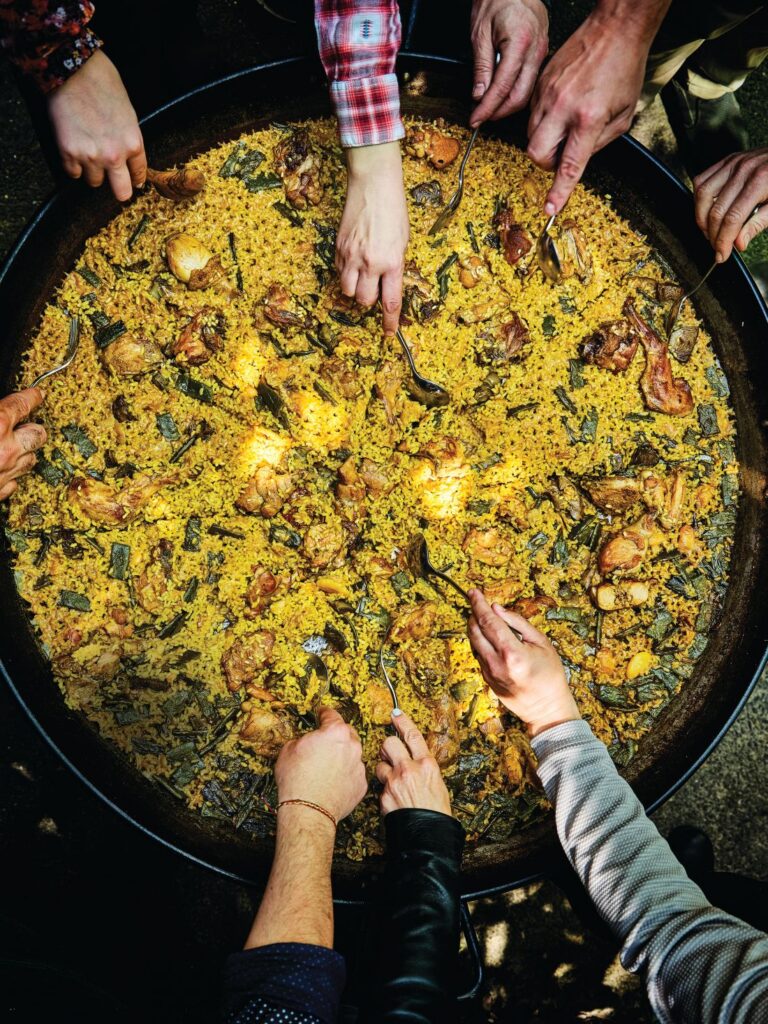
Webber: You have spent your career showing that food can be joyful, deeply cultural and, at times, urgently humanitarian. For caterers and foodservice professionals whose work is built around feeding people at important moments in their lives, what do you hope they take away from Spain My Way—not just about Spanish cuisine, but about hospitality itself?
Andrés: It was a lesson that I learned from my father, who used to make big paellas for family and friends in the mountains near where I grew up: If more people show up to eat, just throw another handful of rice into the pan. I think of hospitality as being about generosity—not just for your friends but for people you’ve never met before. We are in a challenging industry, now more than ever before, but it’s always easy to show some generosity to someone who needs it.
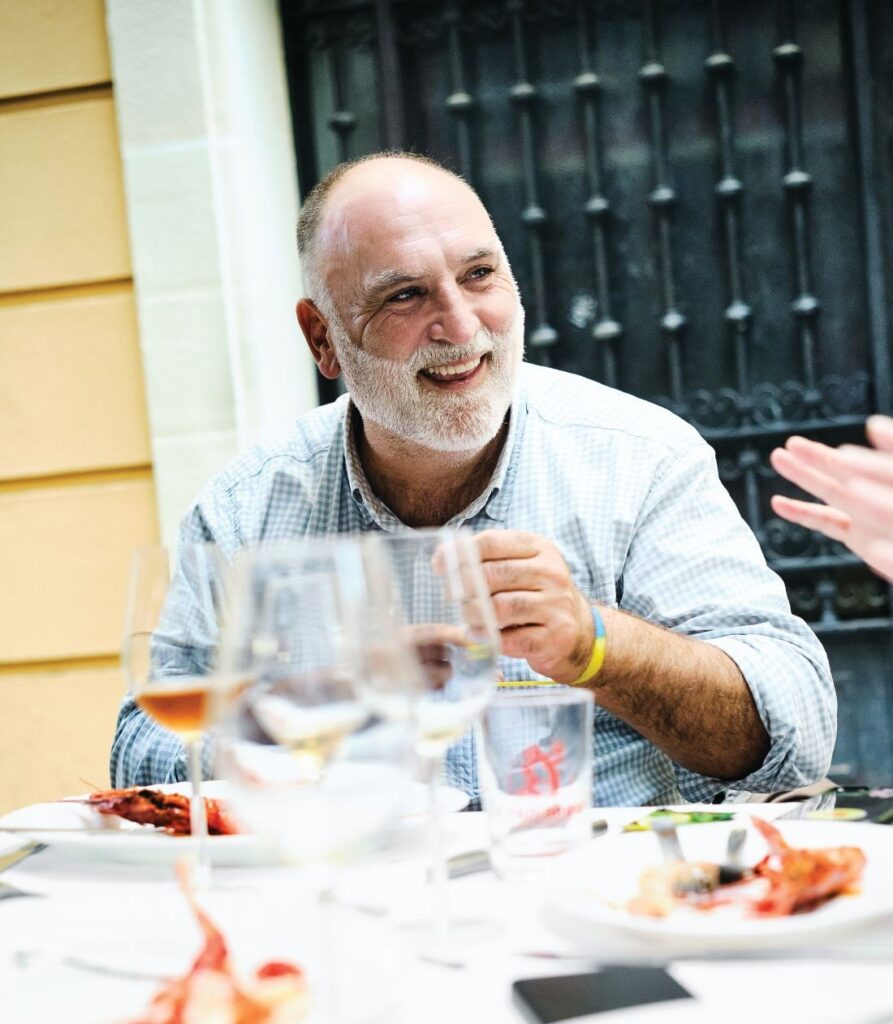
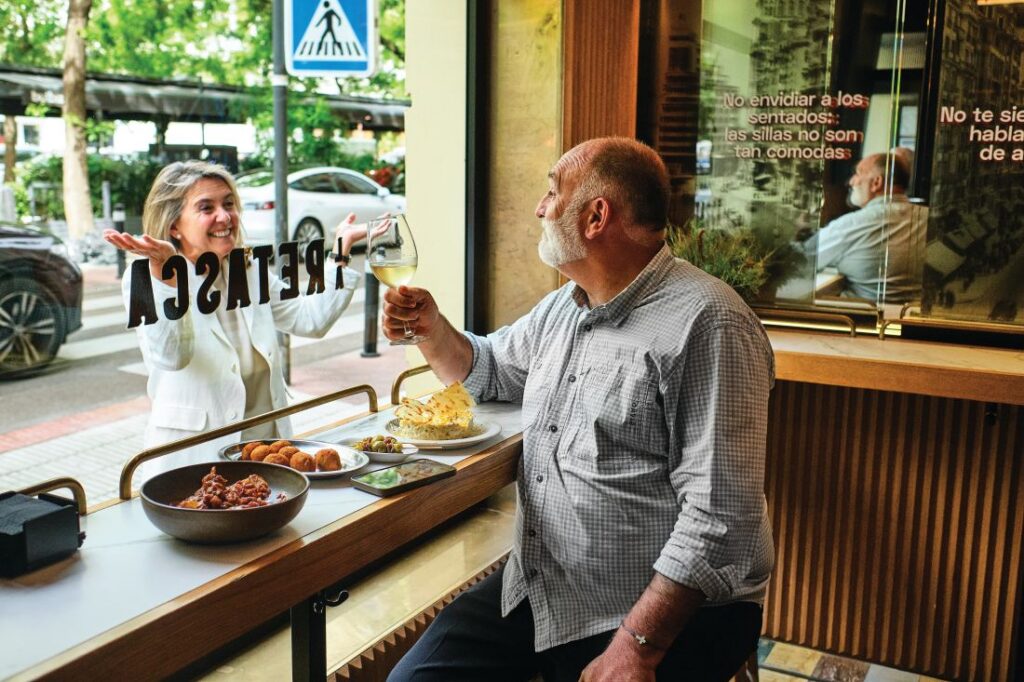
Photos from “Spain My Way” by Joan Pujol-Creus
Subscribe to CFE News' twice-monthly newsletter reporting on the business of catering, foodservice and events.