
By Sara Perez Webber
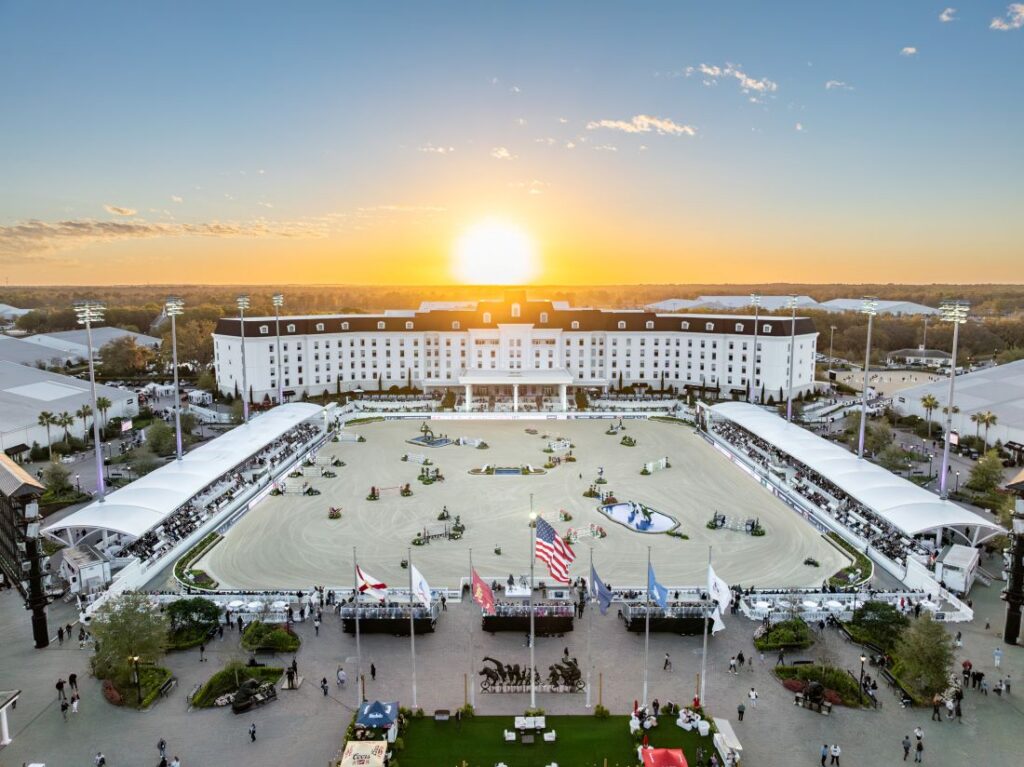
When it comes to its culinary scene, World Equestrian Center–Ocala isn’t horsing around.
In fact, the first employee hired at the largest equestrian complex in the United States wasn’t a riding instructor or horse trainer.
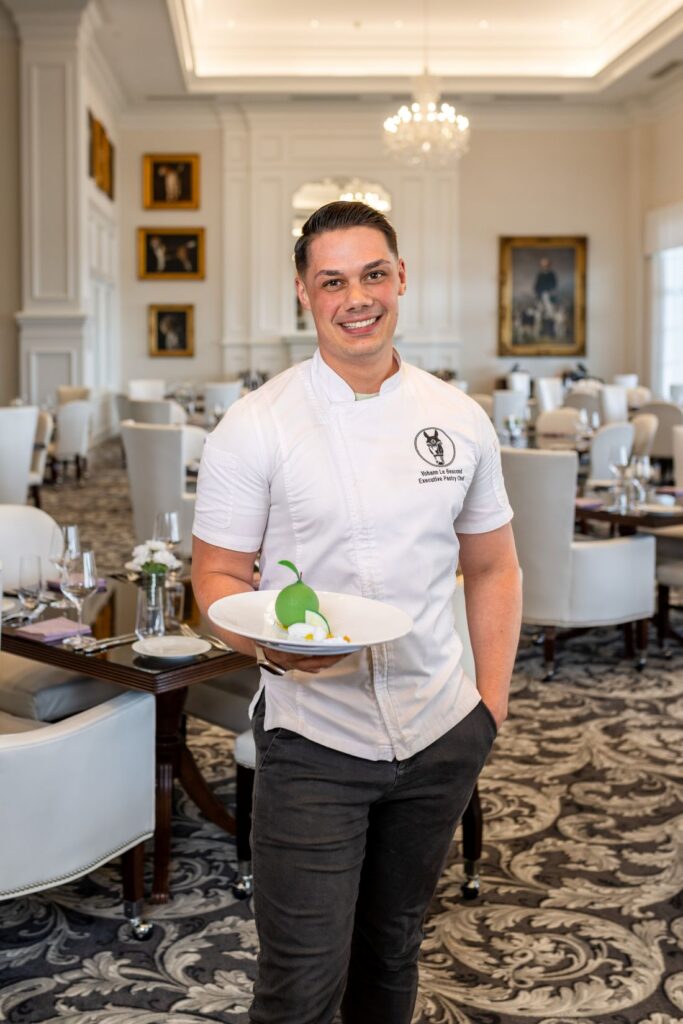
It was an executive pastry chef—2025 James Beard Semifinalist Yohann Le Bescond.
That early hire in 2020 was a sign of things to come at Central Florida’s World Equestrian Center (WEC). Six years later, this epicenter of equestrian sport has transformed into a destination with 13 restaurants that attracts not only horse enthusiasts but hotel guests and locals who come for the dining experience itself.
The Vision Behind the Growth
One executive who’s been at WEC since it opened the luxurious Equestrian Hotel in 2021 says the culinary ambitions were there from the start—even if no one anticipated how quickly they would hit their stride.
“We had an idea that we would continue to grow as a dining destination,” says Jeremy Gow, WEC’s senior director of hospitality operations. “We didn’t realize how well received it would be, and the culinary talent that we’ve attracted to the resort just by committing to excellence has been really cool to be a part of as well.”
WEC’s 600-member food-and-beverage team includes culinarians whose résumés encompass Michelin-starred restaurants like Nobu and Le Bernardin as well as such luxury resorts as Colorado’s Broadmoor and the Bahamas’ Atlantis.
With the early-2026 debut of The Equestrian Manor event venue, WEC pushed its culinary ambitions even further. The four-story Manor features more than 300,000 square feet of indoor and outdoor meeting and event space—including a grand ballroom—and four distinct dining concepts: The Polo Pony, Genievieve’s, The White Willow and Emma’s Patisserie.
Four New Restaurants, Four Reasons to Return
The restaurants weren’t created simply to add more places to eat. Gow says WEC studied the market and listened to guests about what they wanted next. That thinking helped shape The White Willow, a pan-Asian concept featuring an outdoor rooftop bar and an emphasis on fresh seafood.
Overseen by Chef de Cuisine Daniel Binghak, a Morimoto alum, The White Willow serves fish overnighted from Japan, pairing sushi with traditional Chinese and other cooked Asian dishes. It’s quickly become a guest favorite, says Gow.

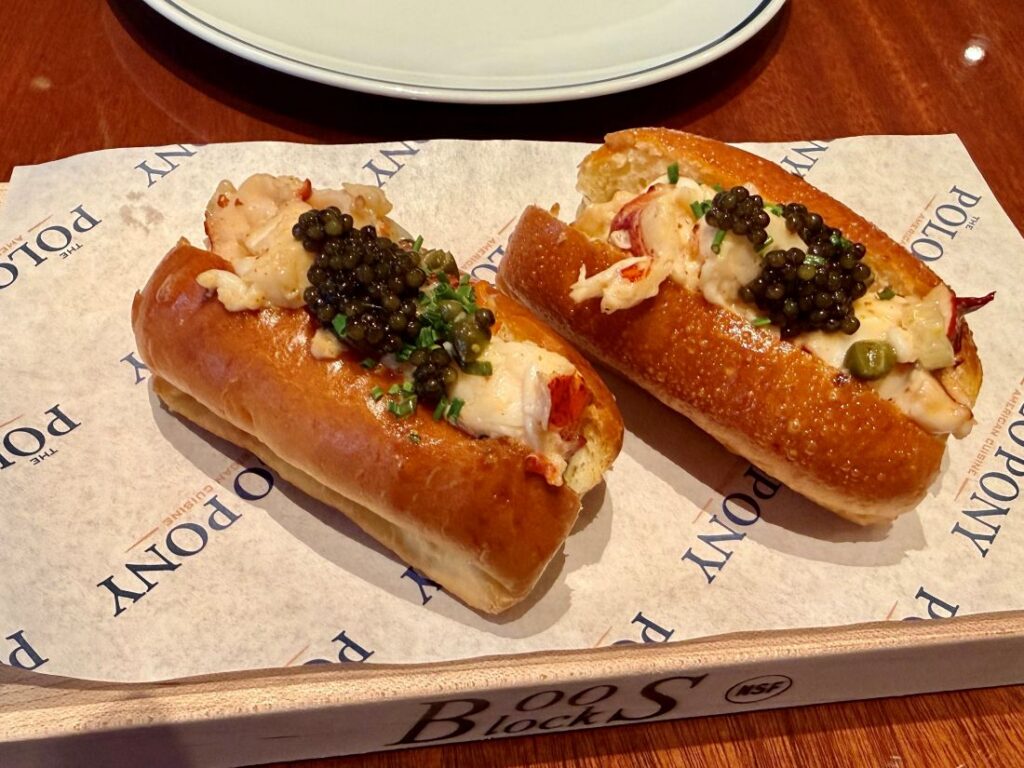
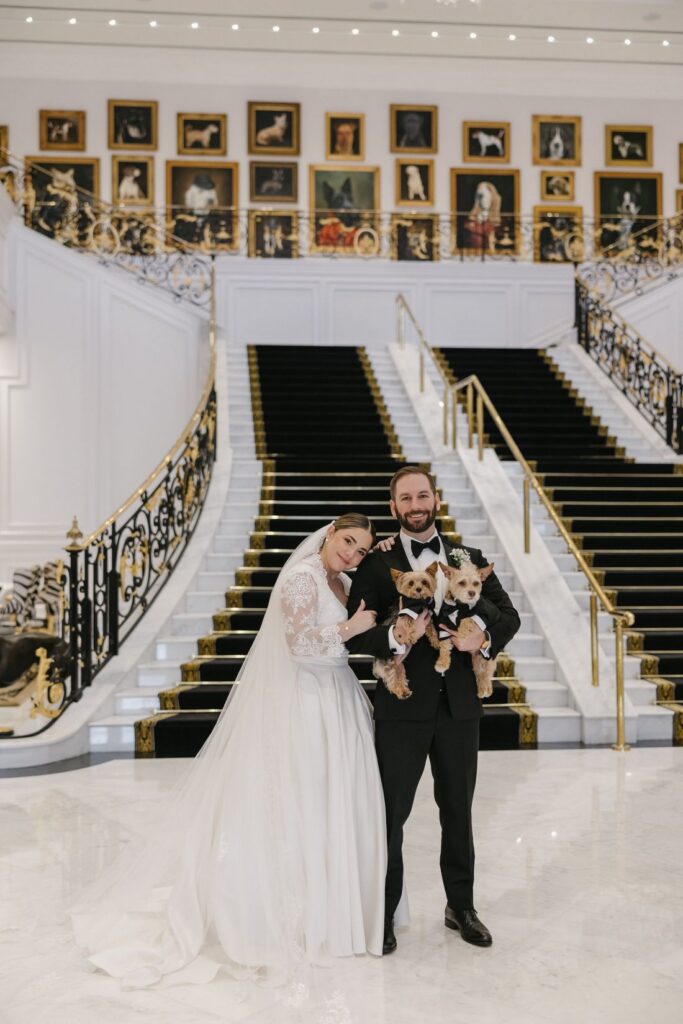
The Polo Pony—the Manor’s largest restaurant and inspired by the Equestrian Hotel’s popular Yellow Pony gastro pub—has also been busy since opening, with an elevated casual menu, outdoor terrace and 60-seat, horseshoe-shaped bar. Fully pet-friendly, The Polo Pony also offers a dog menu—an appreciated touch at WEC, where playful dog portraits throughout the resort invite guests to search for one resembling their own pet. Four-legged visitors are a common sight around the property; on a recent visit, even a leashed cat appeared perfectly at ease.
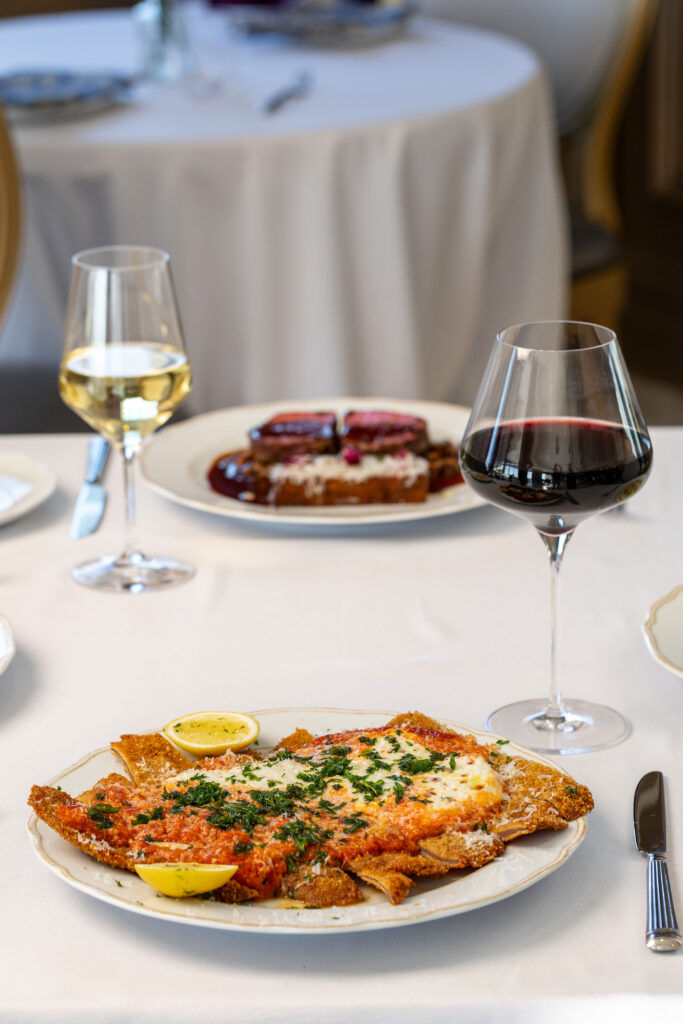
The upscale Genievieve’s serves refined Italian cuisine, with a 500-bottle Italian wine list representing all 20 regions of Italy. Genievieve’s has already been honored in Wine Spectator’s 2026 Restaurant Awards, along with the Equestrian Hotel’s fine-dining restaurant, Stirrups, which offers more than 600 wine selections.
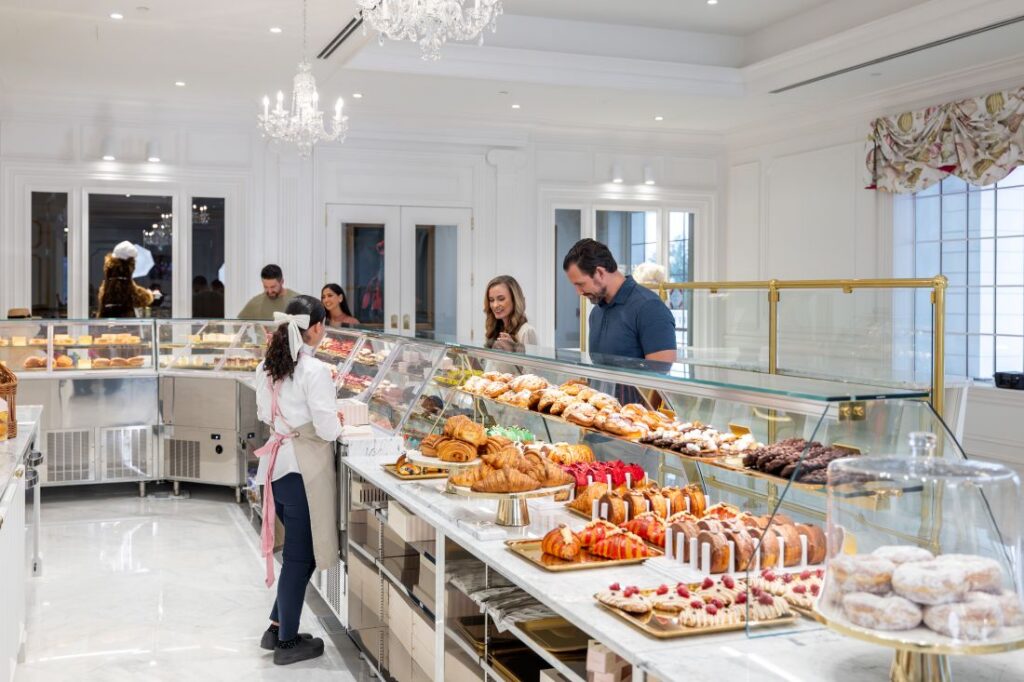
Another guest favorite in the Equestrian Hotel, Emma’s Patisserie, was greatly expanded in the Equestrian Manor. Along with such whimsical touches as animatronic animals dressed as bakers, this European-style café has a chocolatier on staff and serves up an array of baked treats, coffee and gelato.
The company’s goal for the new restaurants, says Gow, was to make the collection feel cohesive “but also different enough to give people a reason to come back or stay longer.”

Restaurant Quality at Banquet Scale
WEC’s culinary philosophy extends well beyond its restaurants.
The complex can host events for up to 5,000 guests and has served lunches for approximately 1,500 and dinners for more than 2,000. A full kitchen connected to one of its expo spaces allows the culinary team to prepare and execute food safely at that scale.

“Quality is first for everything that we do, and it doesn’t matter if you have a meal in to-go ware, or you have it in a banquet space, or you have it in a restaurant,” says Gow. “That quality needs to be the same across the board.”
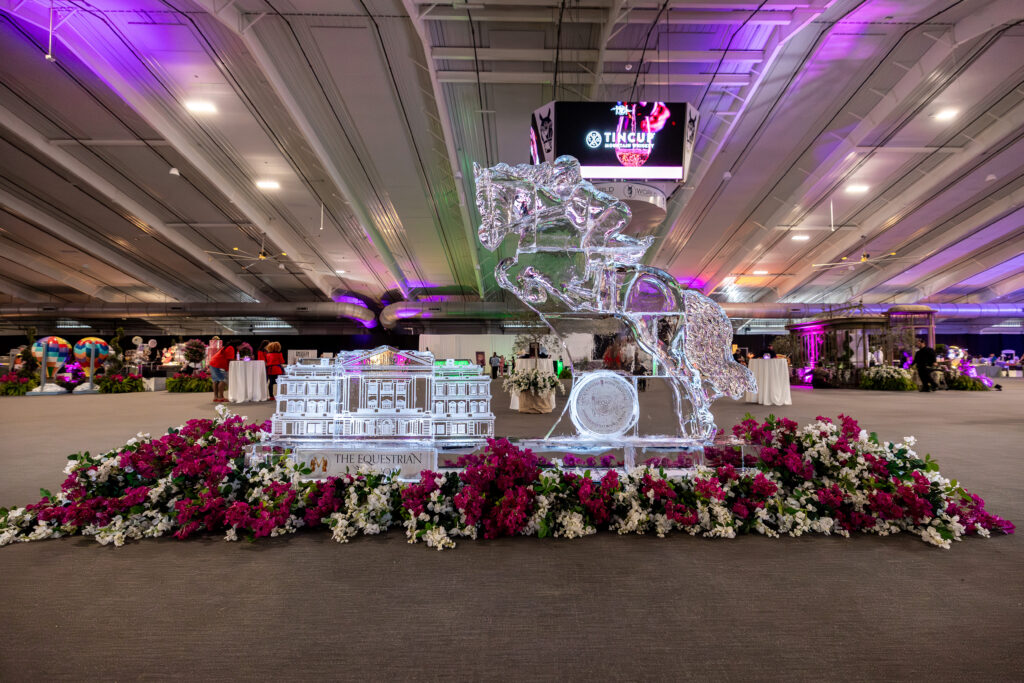
The philosophy extends even to pop-up dinners and culinary activations inside WEC’s climate-controlled horse arenas.
“One of the things our ownership allowed us to do is get the right equipment to execute meals at the highest level across the resort,” says Gow.
Turning Dining Into an Experience
WEC is also giving guests ways to engage with its culinary program beyond a traditional restaurant meal.
The three-day Ocala Food & Wine Festival begins with an exclusive chefs’ dinner for hotel guests who’ve purchased the weekend package, followed by Saturday’s Grand Tasting, where guests indulge in food and wine while watching a top-level jumper competition. A Sunday brunch featuring champagne and jazz, overlooking the Grand Outdoor Arena, closes out the weekend.

Other WEC programming includes wine and spirits dinners and behind-the-scenes culinary tours. A Robert Mondavi wine dinner at The Polo Pony sold out in two weeks, while a pairing dinner with Louis XIII Cognac—the coveted spirit aged up to a century—sold out so quickly that WEC is planning a second.
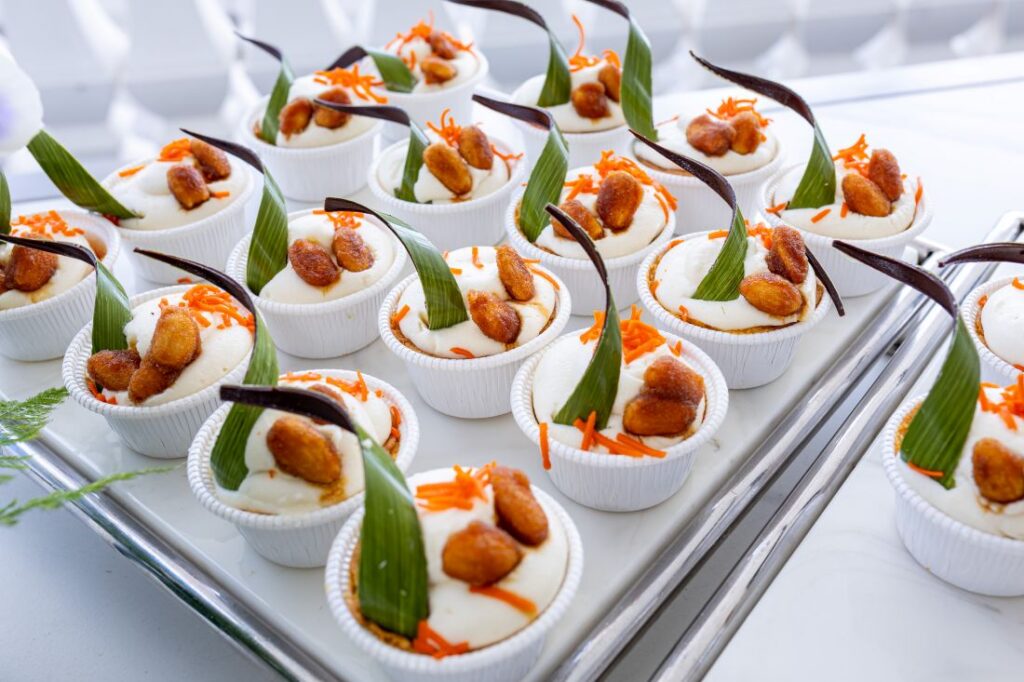
At Emma’s Patisserie, guests can meet the executive pastry team and tour production kitchens where, among other things, bread is made from scratch for the entire property—including from a five-year-old sourdough starter.
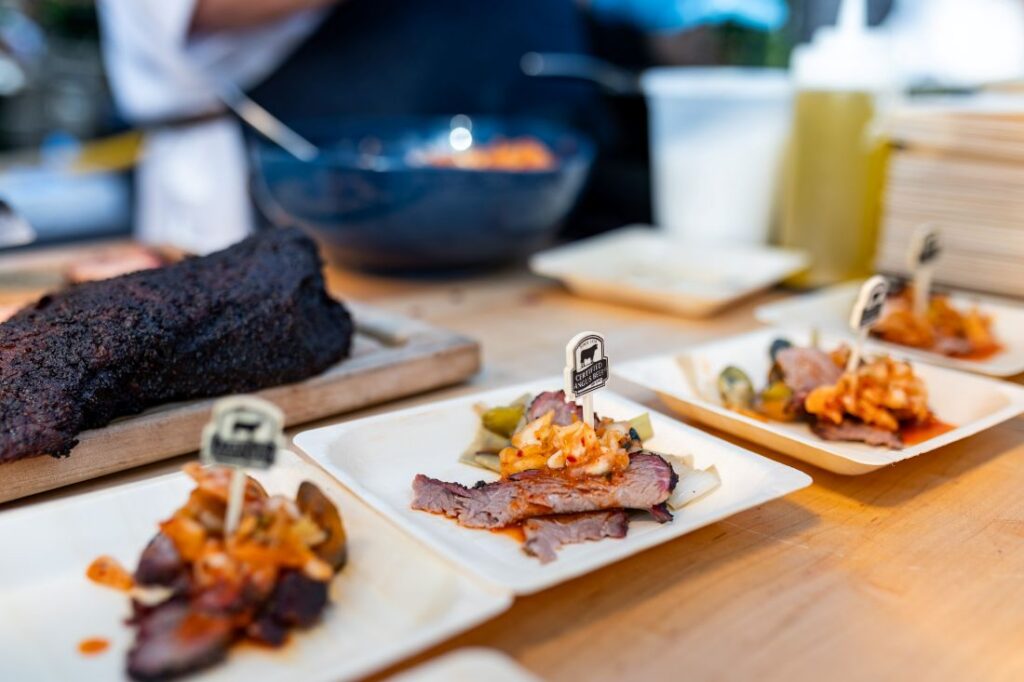
“Our kitchens are something we’re very proud of,” Gow says. “They’re state-of-the-art and they’re quite large, so we’re passionate about showing those off.”
The culinary experiences are also a way to strengthen WEC’s connection with local residents, who have become an important part of its dining audience.
A Culture of Culinary Experimentation
For Gow, becoming a true dining destination requires more than talent. It takes a willingness to keep experimenting.
“The food-and-beverage industry continues to evolve, and it changes so fast that our team is challenged to be innovative,” he says. “They’re challenged to make mistakes. They’re challenged to try new things, and I think that keeps us on the forefront.”
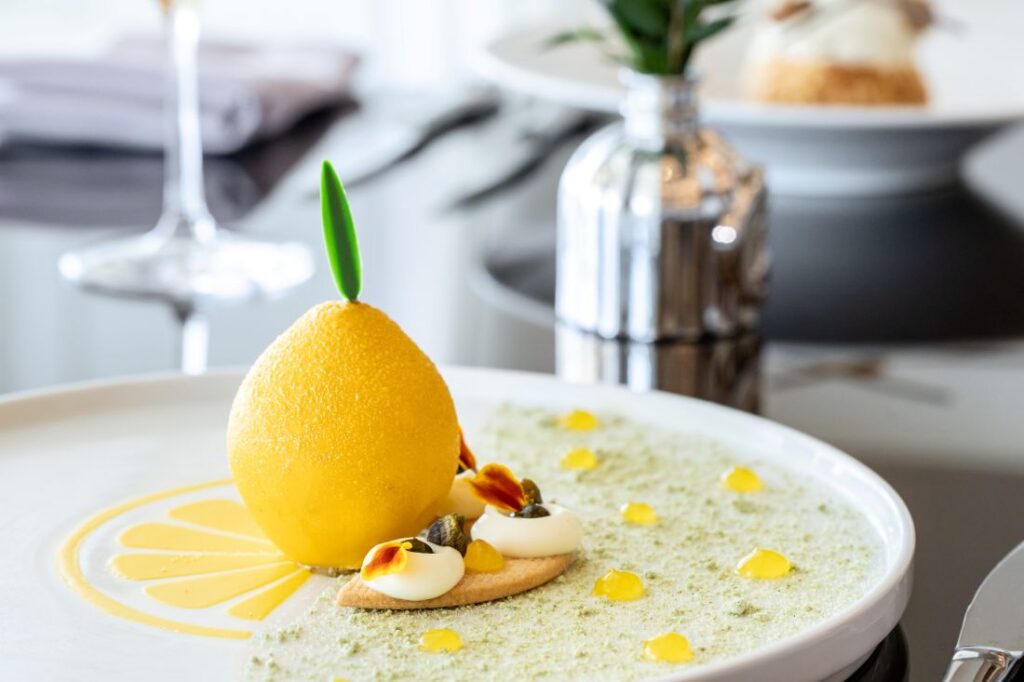
That freedom can result in anything from an elaborate wine dinner to specialized menus for dogs staying on property. It also results in special moments that will linger in a guest’s memories—from the small to the surprising.
On a recent visit to Stirrups, the attention to detail began immediately—lemon, lime and cucumber offered with water, followed by three types of warm bread with three accompanying butters. The thoughtful surprises continued throughout the meal, culminating in cheesecake and champagne to celebrate a graduation the restaurant had quietly learned about in advance.

For Gow, those moments are the ultimate measure of WEC’s culinary ambitions: “The team has that freedom and the support and the creativity to do something different and to really leave a lasting impression through food on our customers.”
Subscribe to CFE News' twice-monthly newsletter reporting on the business of catering, foodservice and events.

