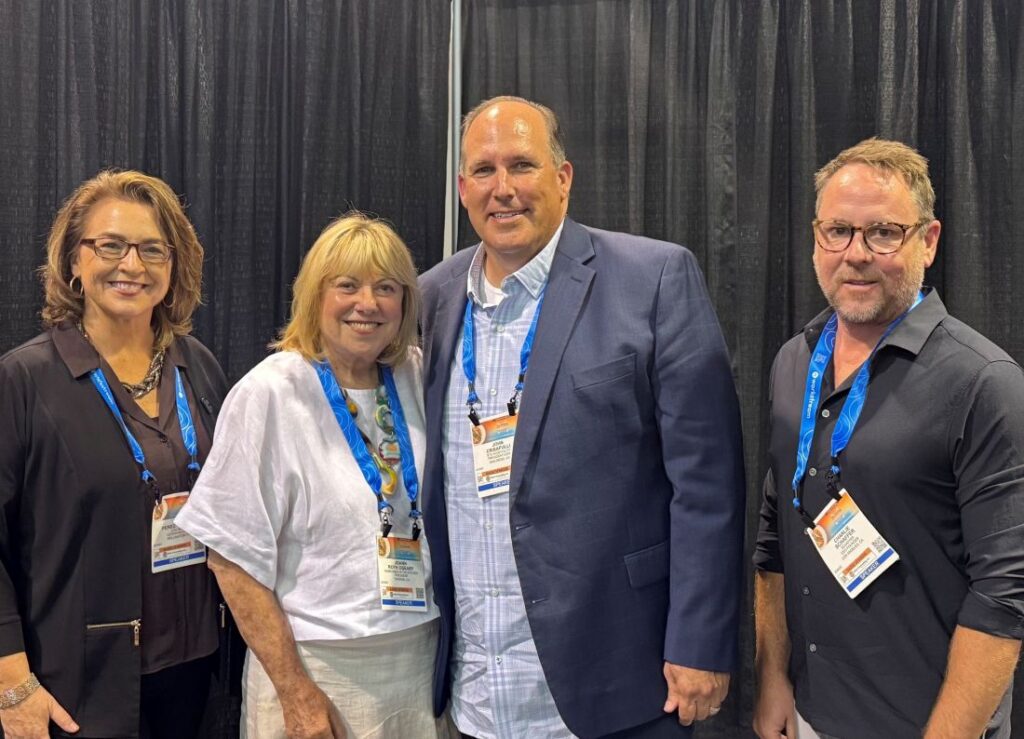
Ahead of his appearance at the Florida Restaurant Show, California Pizza Kitchen co-founder Rick Rosenfield shares lessons on leadership, hiring, menu innovation and building a restaurant brand that lasts.
By Sara Perez Webber
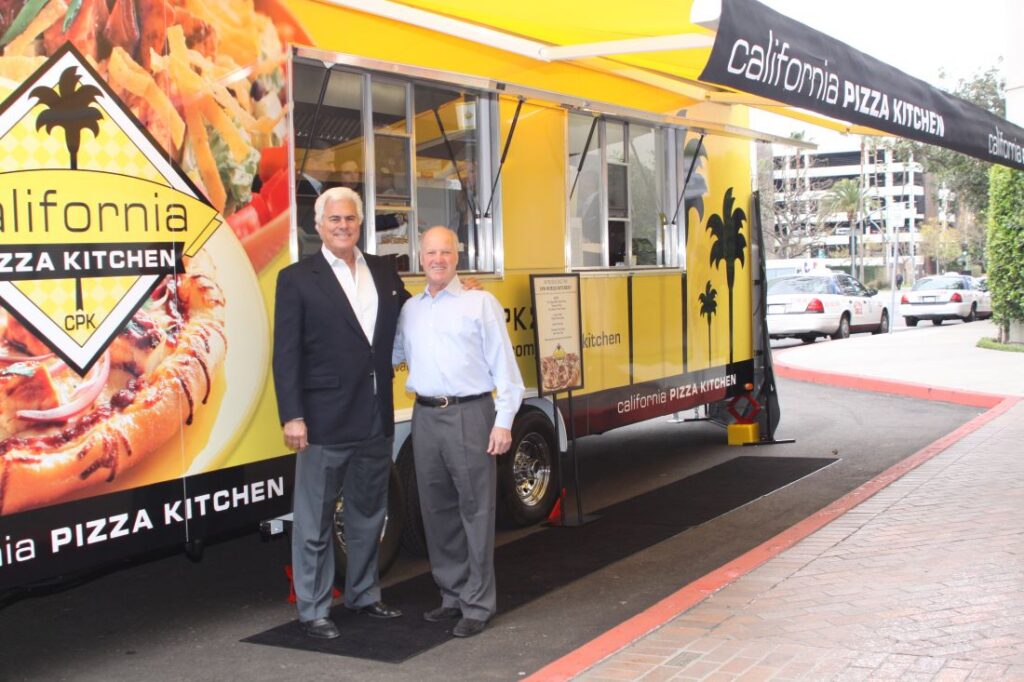
When Rick Rosenfield and Larry Flax opened the first California Pizza Kitchen (CPK) in Beverly Hills in 1985, the two former federal prosecutors had an ambitious idea but no restaurant operating experience. Nevertheless, they grew the brand from a single location to more than 260 worldwide before leaving the company in 2011.
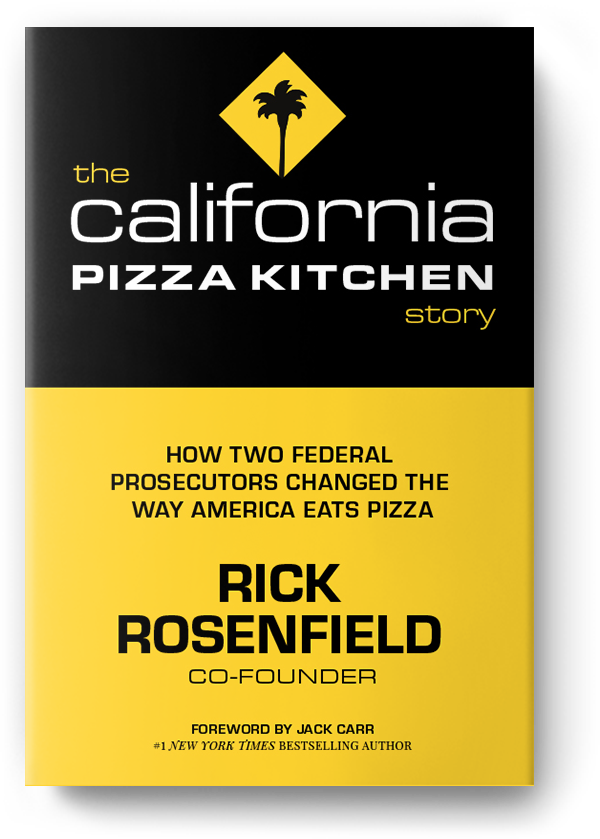
Four decades since its founding, CPK is credited with helping to popularize California-style pizza with innovative toppings, open kitchens and upscale casual dining in shopping centers. Rosenfield recounts that journey in his new book, The California Pizza Kitchen Story: How Two Federal Prosecutors Changed the Way America Eats Pizza.
Ahead of his appearance at the Florida Restaurant Show and Pizza Tomorrow Summit in Orlando on Oct. 26, Rosenfield spoke with CFE News about the lessons he learned building the brand—from hiring the right people to knowing when a creative food idea has gone too far.
Innovation Has to Be Familiar
CPK became famous for pizzas that moved beyond traditional tomato sauce and toppings—most notably its barbecue chicken pizza. But Rosenfield says the company’s early menu also demonstrated the limits of innovation.
CPK’s first chef suggested such toppings as rabbit sausage, lamb sausage, radicchio and pine nut, and other unconventional combinations. Most failed.
“If we sold 200 pizzas, 170 of them were barbecue chicken,” Rosenfield says.
That taught the founders an enduring menu-development lesson: Consumers may want something new, but they also want something they recognize.
“We thought we were going to do Spago for the masses,” says Rosenfield. “But there’s no such thing as Spago for the masses—not then and not 41 years later. People do not care about wildly exotic pizza. There’s no market for it. What they care about is something they can identify with.”
That philosophy led to CPK developing pizzas inspired by familiar foods such as Thai chicken and club sandwiches.
“What we used as our guide was that anything that works on a sandwich will work on a pizza, but you have to give something that people can identify with, that they want to try and want to taste,” he says. “It has to sound good, interest people and then deliver on their expectations.”
Open Kitchens Put Employees—and Operations—on Stage
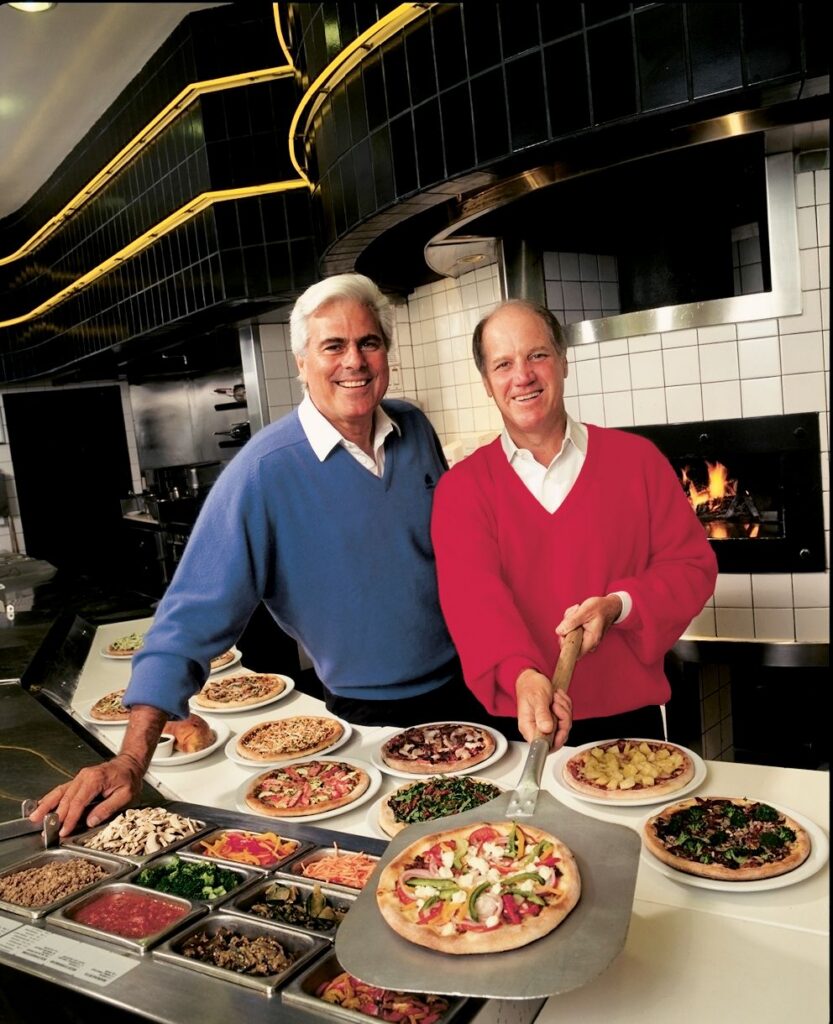
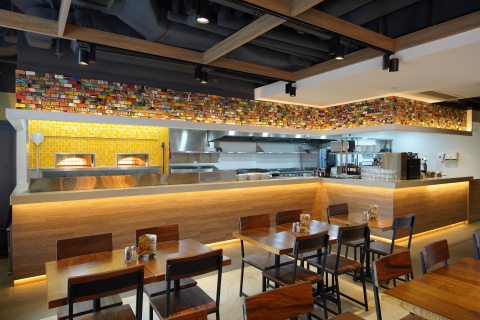
CPK also became closely associated with the open-kitchen format, an idea Rosenfield says grew partly from the experience of entertaining at home, where guests naturally gravitate toward the kitchen.
“We weren’t the first adopter of open kitchens, but we were early, and we built the whole restaurant around the hearth,” he says.
For customers, the format created visibility.
“People see your food, they see freshness. They see people working,” Rosenfield says. But transparency comes with an obligation.
“Now you have to be especially careful to keep it clean, and to develop clean habits,” he says—which CPK kitchens did. “In those early days, when we would ask people to define CPK in one word, they would say, ‘clean.’”
The open format also changed the employee experience, putting kitchen team members in view of guests rather than isolating them behind the scenes.
“Now they’re on stage and they’re not relegated to a back kitchen,” he says. “You’re creating a more pleasant workplace environment for them.”
California Pizza Kitchen’s Lasting Legacy
Rosenfield points out that CPK’s influence on the restaurant industry extended well beyond pizza. As the company expanded, for example, shopping centers became an important part of its growth strategy.
After opening its first restaurant in a retail location in Beverly Hills, CPK’s next locations were in malls including the Beverly Center and Topanga Plaza in Los Angeles, and Lenox Square in Atlanta. “At that time, mall dining was Hot Dog on a Stick, and the pizza was Sbarro,” he says. “We brought upscale casual dining to shopping centers.”
Rosenfield and Flax correctly predicted that restaurants would eventually serve as “mini anchors” for malls, helping to attract customers much as department stores traditionally had.
That strategy became an important part of CPK’s expansion and helped the brand develop a core audience of women and families.
From Frozen Pizza to Wood-Burning Ovens
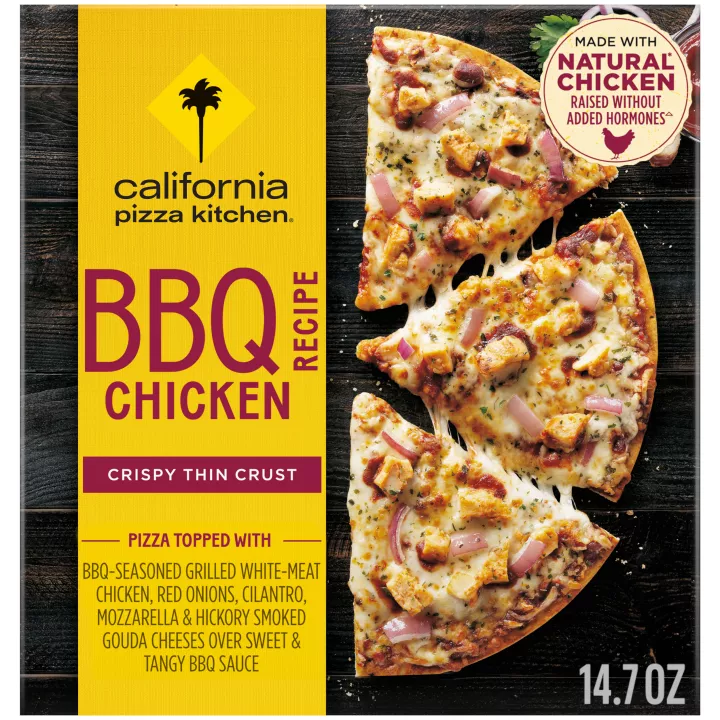
CPK also influenced the frozen pizza business “so significantly that they coined the term ‘the CPK effect,’” says Rosenfield. Following CPK’s lead, frozen pizza varieties emerged with higher quality ingredients and more innovative toppings.
Rosenfield says CPK also left its mark on the pizza oven industry. The company initially imported wood-burning ovens from Italy before switching to ovens made by Wood Stone in Bellingham, Washington. Rosenfield says CPK coined the term “wood-fired pizza,” which appeared on the company’s logo.
As CPK expanded into airports, however, wood-burning ovens presented permitting and operational challenges. The company worked with Wood Stone on a gas-fired alternative that maintained the look of a wood-burning oven and its visible flame while offering operational advantages. CPK eventually transitioned to gas-fired models throughout the chain.
The Business Is About People
One of Rosenfield’s earliest lessons was that a compelling concept alone would never be enough to build a successful restaurant company.
“We thought when we started this that we were these clever lawyers, and all we had was a concept—that we’re going to put this new, innovative style of pizza out to the world,” he says.
A difficult relationship with CPK’s original chef—who lasted less than two months—forced Rosenfield and Flax to become far more involved in operations than they had anticipated.
“We were thrust into it, and realized that the concept alone wouldn’t carry us through even the first restaurant,” he says. “It was ultimately about people who shared our vision.”
Building a Culture of Empowerment
That experience shapes Rosenfield’s advice to entrepreneurs considering opening or expanding a restaurant or catering business.
“If you are the kind of person that can trust and empower and delegate to people, then I’d say yes, go for it,” he says. And if you’re not, he adds, don’t bother—because you need a good team around you to succeed.
“If you care about people, and you take care of them, and then you’re able to share your vision and empower them and delegate to them, then you have a shot.”
Rosenfield eventually distilled the company’s core culture into an acronym, ROCK, which stood for Respect, Opportunity, Communication and Kindness.
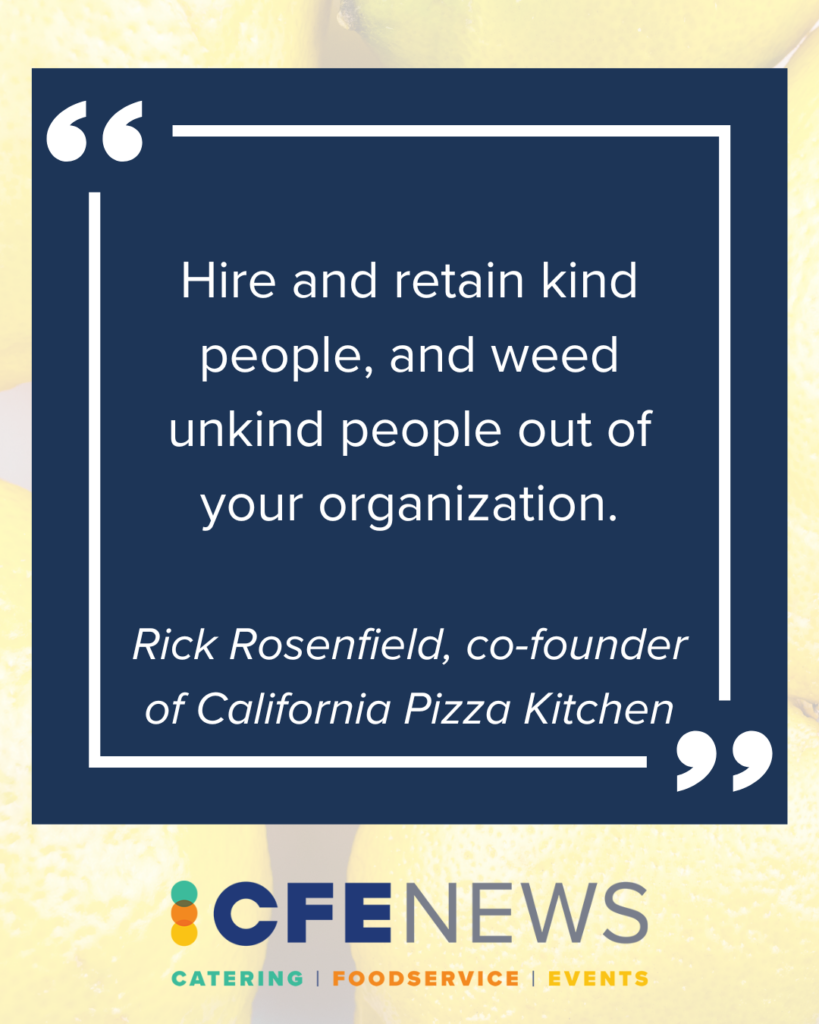
For Rosenfield, the most important word was “kindness.” One unkind employee can have an outsized effect on morale throughout a restaurant or corporate workplace. His advice to prevent that? “Hire and retain kind people, and weed unkind people out of your organization so everybody can get up and want to come to work.”
Florida Restaurant Show Appearance
Now based in Palm Beach, Rosenfield says he’s looking forward to his appearance at the Florida Restaurant Show. “I love these shows—seeing the passion and the innovation and how the industry works,” he says.
Rosenfield will appear at the Florida Restaurant Show/Pizza Tomorrow Summit on Monday, Oct. 26, from 1:30-3 p.m., when he will participate in a live taping of the So You Want to Run a Restaurant? podcast in the Sunshine Plate Arena-Booth 879. The Florida Restaurant Show takes place Oct. 25-27 at the Orange County Convention Center in Orlando.
Subscribe to CFE News' twice-monthly newsletter reporting on the business of catering, foodservice and events.