How single-use foodservice packaging balances convenience, cleanliness and sustainability
By Natha Dempsey, president, Foodservice Packaging Institute (FPI)

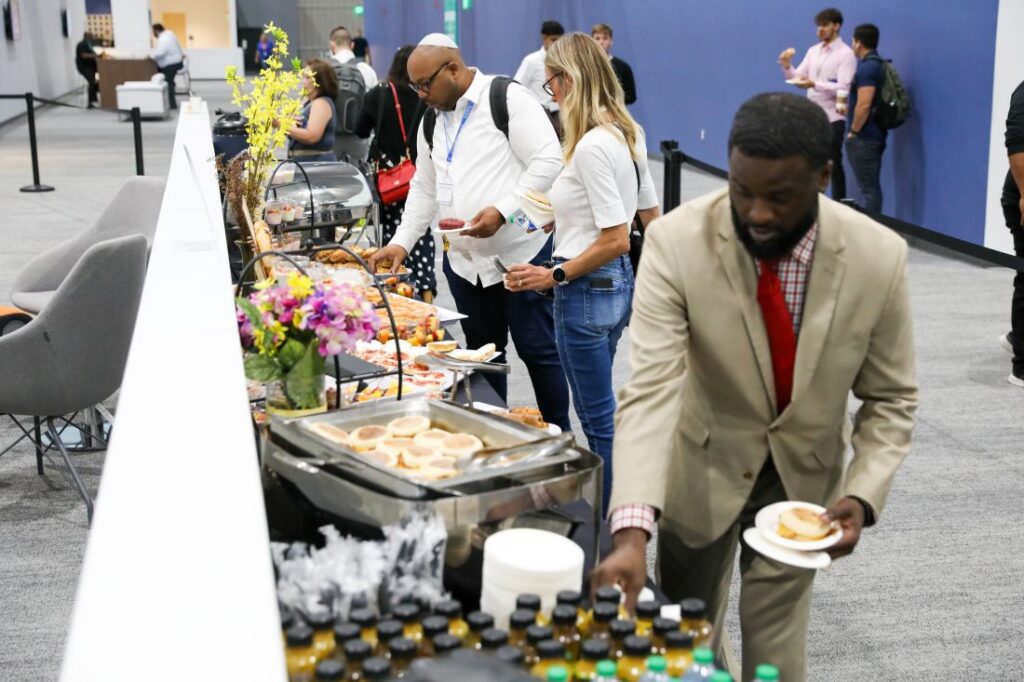
Catering plays an increasing role in today’s foodservice industry, especially with a return to offices and foodservice options continuing to diversify. As a result, the demand for convenient, sanitary and scalable catering solutions continues to grow.
At the heart of this is foodservice packaging—a reliable, convenient and sanitary solution that meets the evolving needs of caterers and their customers. From off-site or workplace events to corporate fundraisers and galas, single-use foodservice packaging, used at least once a week by more than 50% of Americans, is proving to be an essential part of modern catering success.
The Benefits of Single-Use Packaging
Caterers and other off-premise foodservice operators face some unique challenges that single-use foodservice packaging can help overcome conveniently and cost-effectively. Preparing, transporting and serving large quantities of food becomes significantly easier when meals can be individually portioned, or large trays of mains and sides can be securely packaged. Single-use containers reduce set-up time, eliminate the need for on-site dishwashing and simplify post-event cleanup, helping caterers operate more efficiently.
Cleanliness and sanitation are also critical advantages of single-use packaging. Each meal that can be sealed in its own disposable container or served on a single-use plate or bowl minimizes the risk of contamination—and makes clean-up a breeze by recycling or composting the used containers. Tamper-evident packaging can add an extra layer of confidence for customers receiving delivered meals, whether for a lunch meeting or a corporate event. According to a recent FPI survey, more than 55% of respondents said being tamper-resistant is a very important attribute of single-use foodservice packaging.

From a financial perspective, single-use foodservice packaging is also cost-effective. It eliminates the expenses associated with purchasing, managing and cleaning reusable dishware and serviceware. Caterers can avoid the logistical headaches and potential losses from broken or non-returned items while providing options that can be tailored specifically to their customers’ needs. With the flexibility of purchasing single-use packaging for individual events, caterers can find unique options that aren’t limited to traditional reusable designs.
Meeting Diverse Catering Needs
Catering operations can be diverse—ranging from hot buffet-style meals to cold boxed lunches —and the packaging must reflect that variety. Single-use foodservice packaging has been designed to maintain food integrity, temperature and presentation not only during service, but also during transport. There are compartmentalized trays that help keep different meal components separate, preserving flavor and texture while allowing for appealing presentation. Insulated containers and foil-lined boxes are used to maintain temperature controls, ensuring that hot foods stay hot and cold foods stay cold from the kitchen to the customer.
Additionally, caterers are increasingly asked to consider environmental concerns. Customers want products that are recyclable or compostable, made from recycled products and renewable resources. Fortunately, the foodservice packaging industry has evolved to include those options, enabling caterers to align with the sustainability values of their customers without sacrificing convenience or performance.

Customization also plays a significant role in how caterers choose how to package and serve their products. Many caterers now offer meals labeled by dietary restrictions or preferences—gluten-free, vegetarian, vegan and more. Branded packaging not only promotes the caterer’s business but also adds a layer of professionalism to the experience, which can be especially important for high-profile corporate events or executive lunches.
Catering: Creating a Sense of Community
One of the most notable trends in post-COVID-era catering is that it’s being used as a way to support and encourage the return to office environments. Employers are offering catered meals as a way to attract employees back to physical workplaces and reestablish workplace culture. While catering was once reserved for special occasions, it’s now being used more regularly to create a sense of community. Single-use foodservice packaging supports this by addressing any lingering concerns with sanitation and cleanliness. Individually packaged meals reduce shared touchpoints and eliminate the need for communal serving utensils. Employees can enjoy their meals with peace of mind, knowing each meal is served using clean and sanitary utensils and containers.

As catering increasingly overlaps with the broader food delivery market, the importance of reliable, single-use packaging becomes even more apparent. Today’s catering is essentially delivery at scale—hundreds of meals need to be delivered securely and served efficiently. Without durable, purpose-built packaging, the quality and safety of the food would be at risk and customers wouldn’t have the best intended experience.
Single-use foodservice packaging is more than a convenience—it’s a necessary aspect of catering success. Providing caterers with sanitary, convenient and cost-effective options, single-use foodservice packaging allows caterers to meet the changing demands of their customers. As catering plays a larger role in off-premise dining and workplace culture, the foodservice packaging will continue to evolve and deliver the functionality, safety and convenience that customers expect.
About the Author
Natha Dempsey is president of the Foodservice Packaging Institute, the trade association for the North American foodservice packaging industry. At FPI, she advocates for the interests of the industry and champions its efforts to expand recycling and composting of foodservice packaging.
Subscribe to CFE News' twice-monthly newsletter reporting on the business of catering, foodservice and events.