By Sara Perez Webber
In the South, fall means football. And few things go better with a Saturday spent cheering on your favorite team than a plate of slow-smoked barbecue.
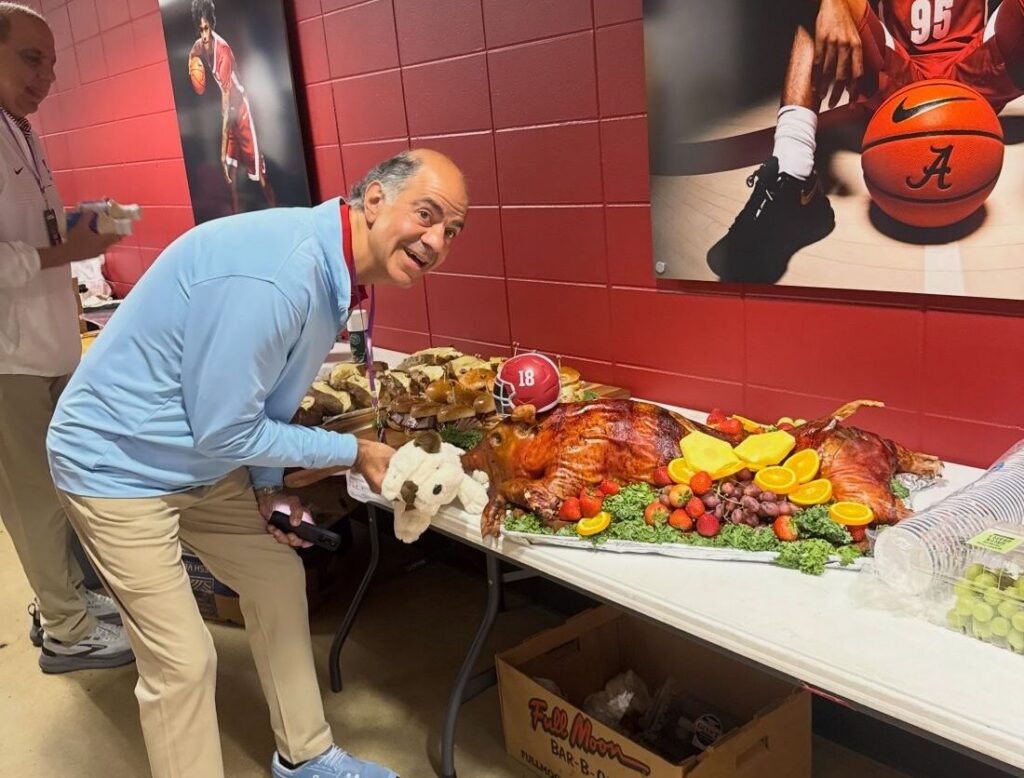
For brothers Joe and David Maluff, owners of Alabama-based Full Moon BBQ, the state’s favorite pastimes came together in a big way this October when the chain’s food was featured on ESPN’s College GameDay in Tuscaloosa. They went whole hog for the occasion, delivering a roasted pig—sporting a Bama helmet—to hosts Pat McAfee and Nick Saban.
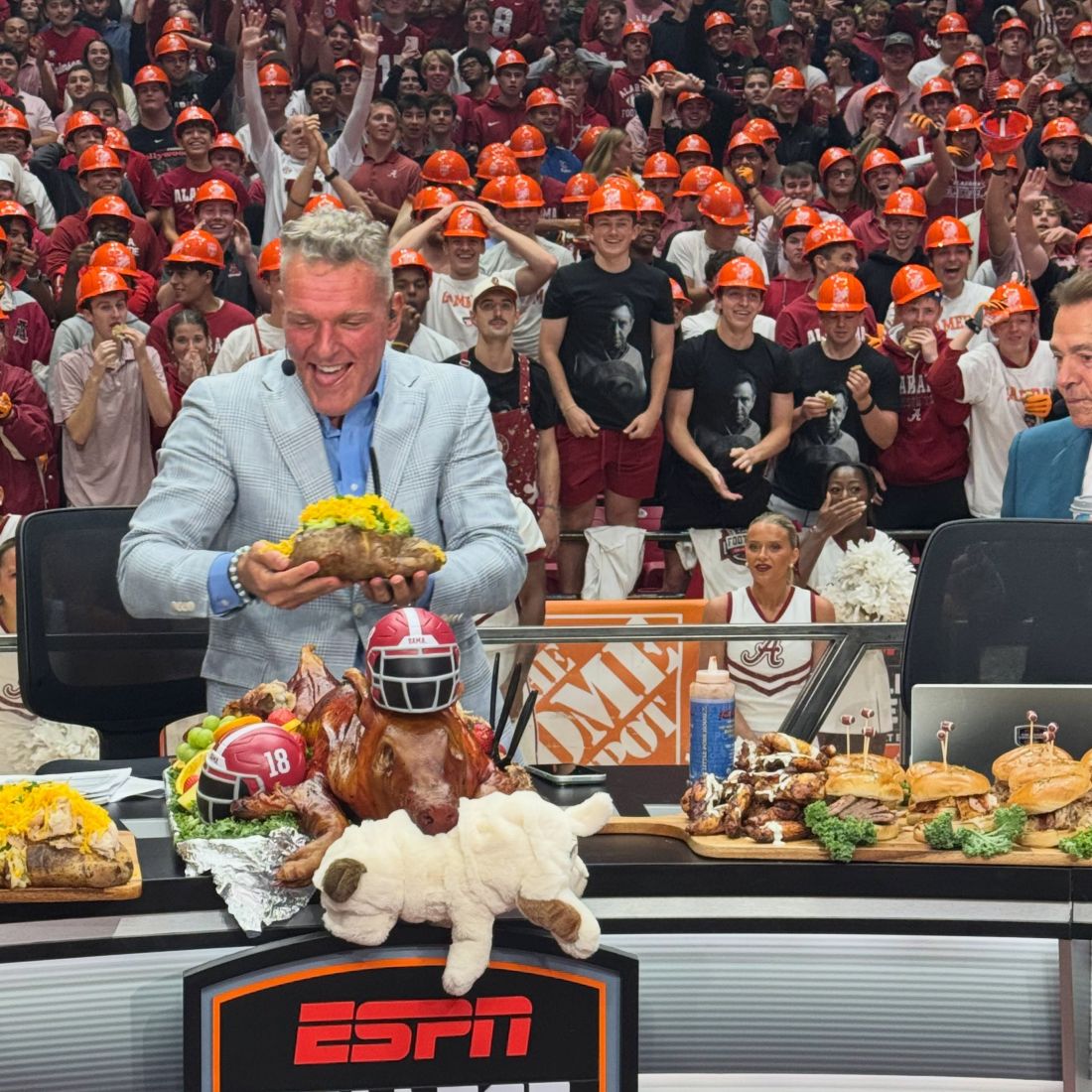
“I’ve been in the barbecue business for a long time, but I never thought I’d find myself carrying a 46-pound pig out to the ESPN College GameDay crew!” said Joe Maluff. “We had an absolute blast being part of all the excitement surrounding the Alabama-Georgia game, and getting to share some of our barbecue with the people who help make College GameDay happen every Saturday made it even more special. Football and barbecue have always gone hand in hand down here, so being part of something like this was a pretty special experience for us.”
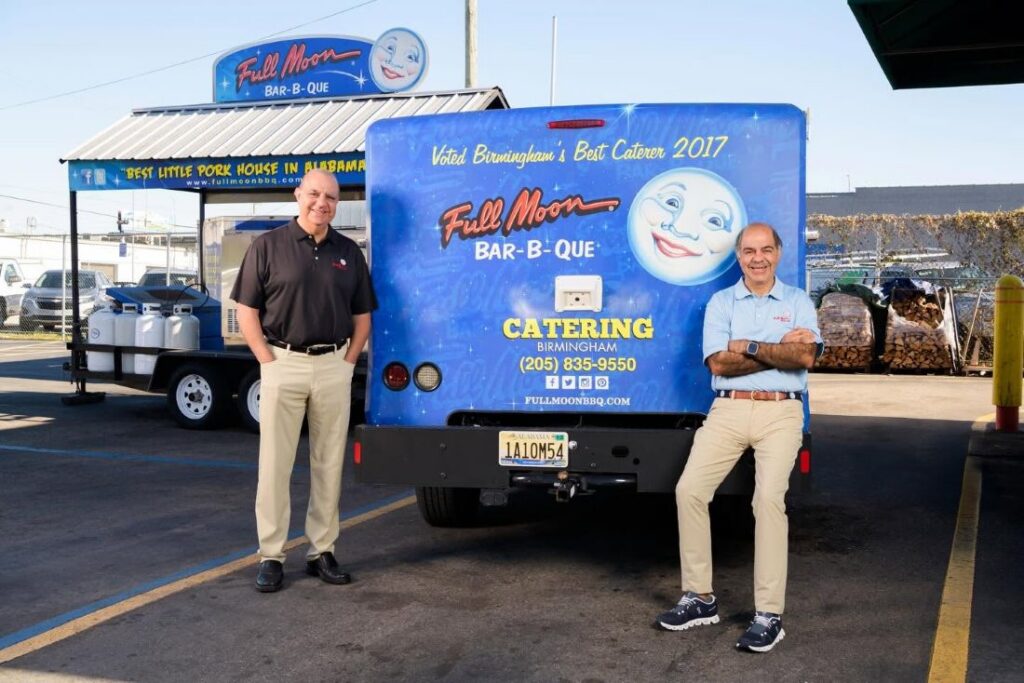
The high-profile appearance was especially fitting as Full Moon BBQ celebrates its 40th anniversary this year. Founded in 1986 by former University of Alabama assistant football coach Pat James and his wife, Eloise, the business was purchased by the Maluff brothers in 1997. Since then, they’ve expanded Full Moon BBQ into one of Alabama’s best-known barbecue brands, with 15 locations across the state and a robust catering arm supported by a fleet of 40 trucks that’s especially busy on football weekends.
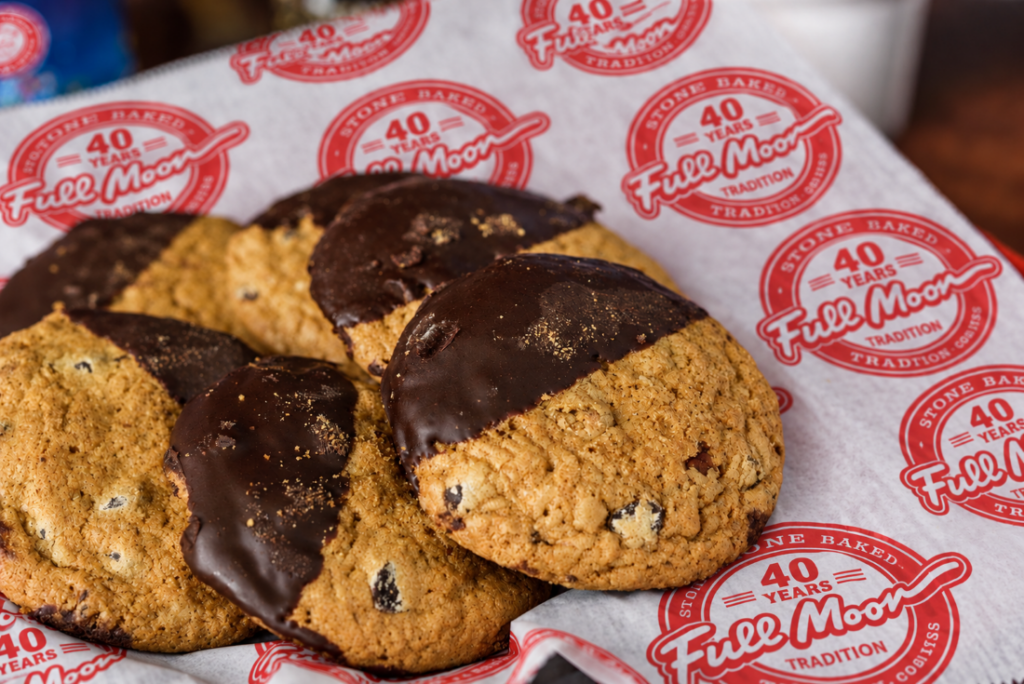
Along the way, Full Moon BBQ has earned national recognition, including being named one of America’s favorite barbecue chains by Newsweek in 2023. Its chocolate-dipped Half Moon cookies [see recipe here] also earned a spot on the Alabama Tourism Department’s list of “100 Dishes to Eat in Alabama.”
CFE News caught up with the brothers to discuss four decades of growth, the expanding role of catering in their business, and how they prepare to serve as many as 10,000 hungry football fans at a single event.
CFE News: Congratulations on Full Moon BBQ’s 40th anniversary! How has the company expanded from its original Birmingham location?
Joe Maluff: Today, we have 15 locations across Alabama, but we’ve been very intentional about protecting the things that make Full Moon BBQ special: our traditional smoking methods, our recipes, our people and the relationships we’ve built in our communities.
Over the years, we’ve built lasting relationships with hundreds of schools, charities and local organizations. We’ve also created our own Full Moon BBQ community giveback programs, providing ongoing support each month to individuals and organizations in need.
For us, growth has never been simply about opening more locations or serving more customers. It’s about building strong relationships, earning trust and finding meaningful ways to be part of the communities we call home.
CFE: What are the traditions and flavors that make Alabama BBQ distinct, and which menu items have become Full Moon BBQ’s biggest signatures or customer favorites?
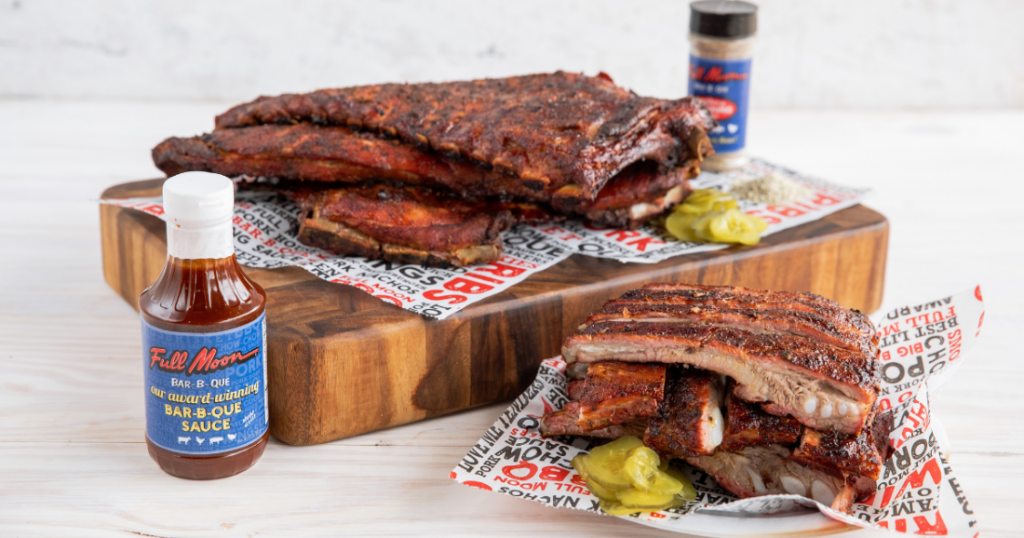
David Maluff: Alabama is home to a rich barbecue culture, with different traditions and techniques found across the state. At Full Moon BBQ, we’re proud to have developed our own approach, one rooted in smoking our meats low and slow over hickory wood, using recipes we’ve refined over generations, and creating flavors that are unmistakably Full Moon BBQ.
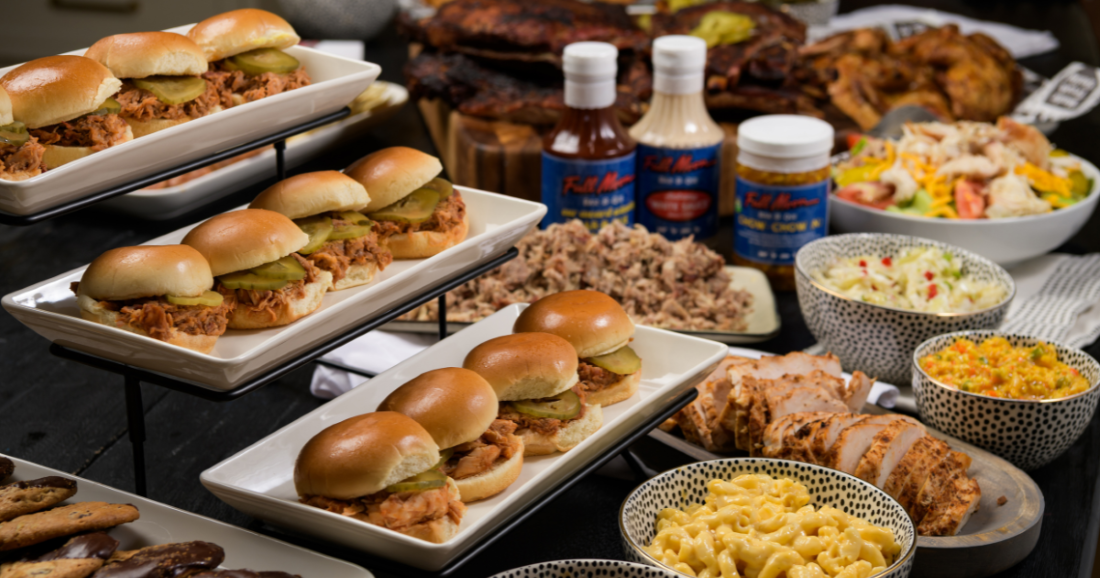
We’re Alabama proud, but we’ve always been proud to be our own kind of barbecue. That comes through in some of the flavors that have become synonymous with Full Moon BBQ, from our legendary Chow-Chow [a spicy-sweet relish] to our award-winning sauces [including Alabama White BBQ Sauce, a creamy, tangy regional specialty]. Our brisket and ribs are two of the biggest signatures, while our homemade pies and chocolate-dipped Half Moon cookies have become customer favorites.
After 40 years, we think the best measure of a signature dish is simple: it becomes part of people’s traditions. That’s what we’re proud to have built.
CFE: How significant is catering to Full Moon BBQ’s overall business, and where do you see the biggest opportunities for catering growth today?
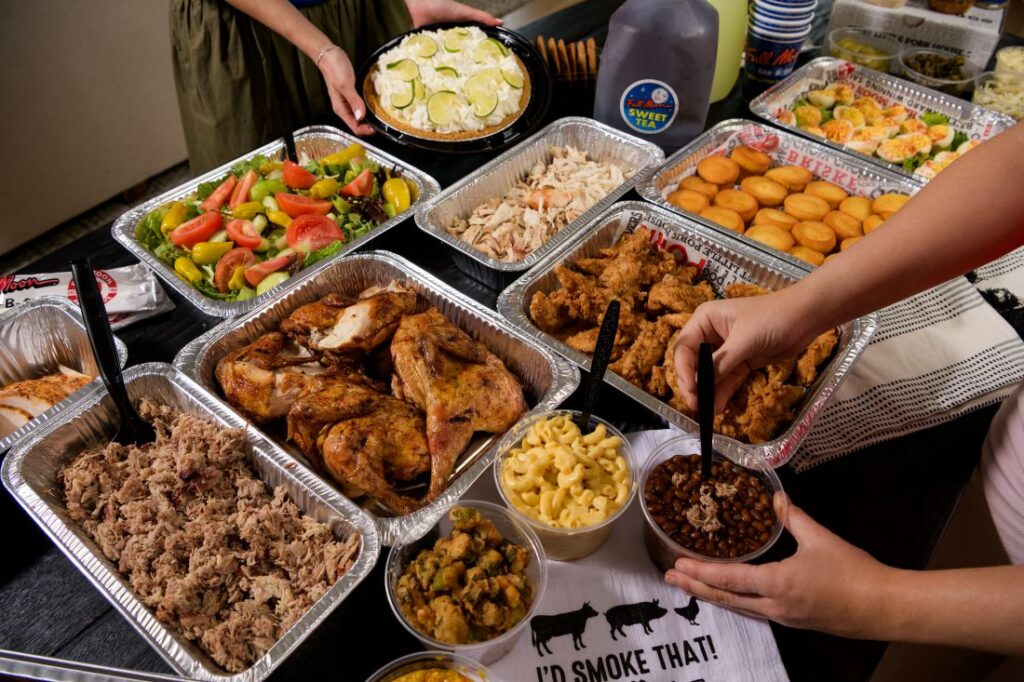
Joe: Catering is a significant part of Full Moon BBQ’s overall business because it allows us to serve customers at a much larger scale and creates an additional revenue stream beyond the restaurant dining room. We offer both full-service and drop-off catering, which gives us the flexibility to serve everything from large weddings and corporate events to tailgates, school functions and family gatherings.
We see some of our biggest opportunities in corporate catering, large-scale events and sports-related gatherings. The opportunity is bigger than selling more barbecue; it’s another way to introduce Full Moon BBQ to hundreds of people at a single event and create new customers. As we look toward our next 40 years, continuing to scale that side of the business is an important part of our growth strategy.
CFE: Bringing portable barbecue pits to an event creates an experience as well as a meal. How important is that live-fire element to your catering business?
David: The live-fire element is one of the things that sets Full Moon’s catering apart. When we bring our portable pits to an event, we’re not simply delivering food. We’re bringing the sights, sounds and aromas of real barbecue with us. Guests can see the smoke, hear the fire and watch the barbecue being prepared, which turns something as simple as meal preparation into part of the event itself.
We’ve learned that people are drawn to that authenticity. There’s something memorable about watching a brisket or ribs come off the pit and knowing that the same traditional smoking process we’ve used in our restaurants for 40 years is happening right there at the event. It creates a natural point of conversation and anticipation, and gives guests an experience they can’t get from food that simply arrives in a catering tray.
CFE: We’re in fall football season, and Full Moon BBQ has catered game-day events for up to 10,000 people. How do you prepare operationally for that kind of seasonal demand?
Joe: Football season is one of our biggest periods of the year, so preparation for a major weekend starts about a week in advance. We make sure each store has ordered enough ingredients, inventory is aligned with expected demand, staff is in place, and food prep is scheduled around both restaurant traffic and catering orders.
From there, it’s truly an all-hands-on-deck operation. Our pitmasters can arrive as early as midnight to get the hickory wood pits going, while kitchen teams prepare sides, trimmings and desserts.
Our POS system is also critical because it gives us year-round ordering data, allowing us to compare a typical day with a major football or holiday weekend, and adjust staffing and production accordingly. When you’re preparing to feed thousands of people, success comes down to preparation, data and having the right people in the right place.
Subscribe to CFE News' twice-monthly newsletter reporting on the business of catering, foodservice and events.