Foodservice Equipment

Single-Use Packaging Makes Catering Easy

Catering plays an increasing role in today’s foodservice industry, especially with a return to offices and foodservice options continuing to diversify. As a result, the demand for convenient, sanitary and scalable catering solutions continues to grow.

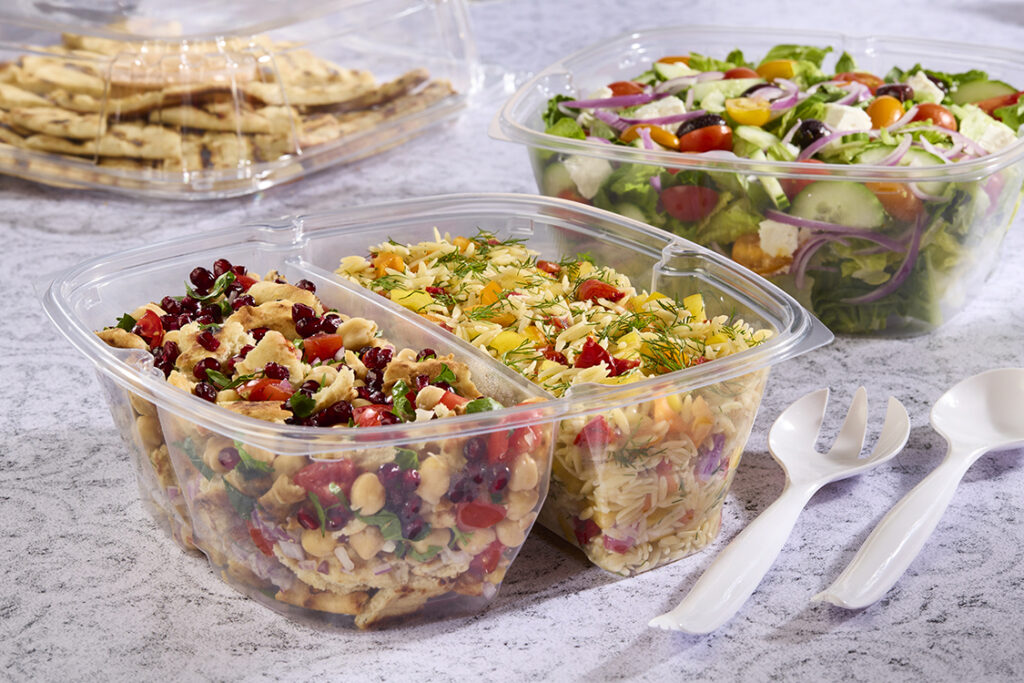
At the heart of this is foodservice packaging—a reliable, convenient and sanitary solution that meets the evolving needs of caterers and their customers. From off-site or workplace events to corporate fundraisers and galas, single-use foodservice packaging, used at least once a week by more than 50% of Americans, is proving to be an essential part of modern catering success.

Small Plates, Big Impact

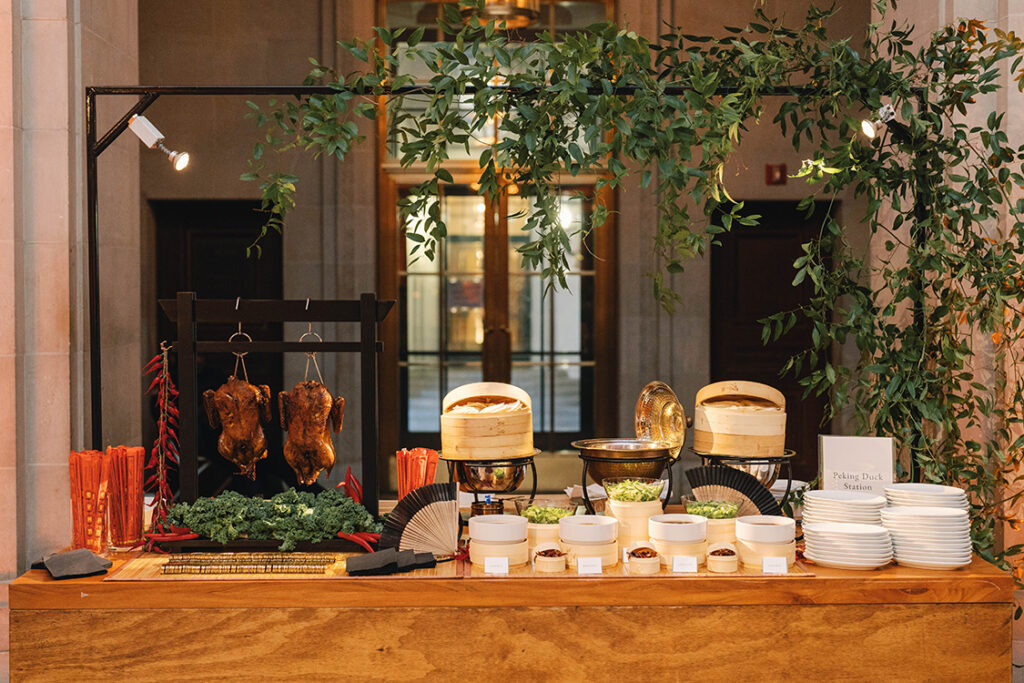
A senior event designer at Ridgewells Catering in the Washington, D.C., area, Mary Margaret Hart follows a general rule of thumb when creating a food station or buffet. “You never put anything directly on the table,” she says. “It’s got to be lifted up and not just sitting on a table, because that looks like what we do in our own homes.”

That same guiding principle could apply to what successful caterers do every day—elevate how food looks, tastes and engages the imagination, so the dining experience transcends the quotidian. Food stations, with their thoughtfully composed small plates and inspired themes, are often the perfect vehicles for caterers to show off both culinary and design expertise.

Progress in Cold Chain Logistics

When the risk of food spoilage and foodborne illness is mitigated, your customers are satisfied, and your business grows.

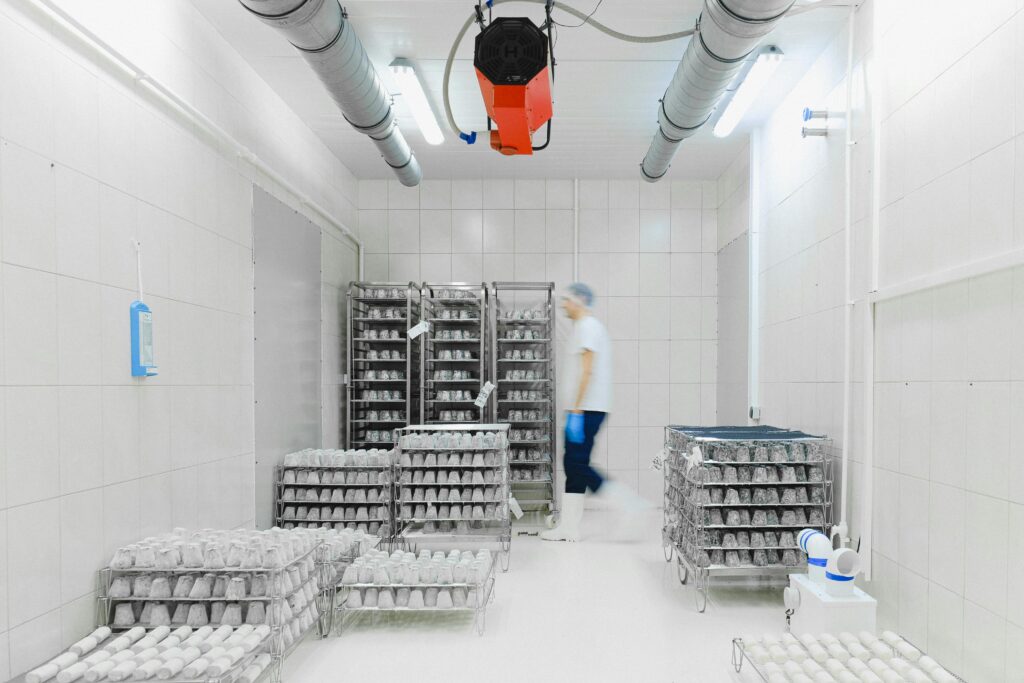
Cold chain logistics—the storing, handling and transporting of temperature-sensitive items—play an essential role in ensuring food safety and quality. The essence of cold chain logistics is the management of perishable food and beverages under tightly controlled conditions to prevent spoilage.

4 Ways to Boost Visual Appeal in Catering

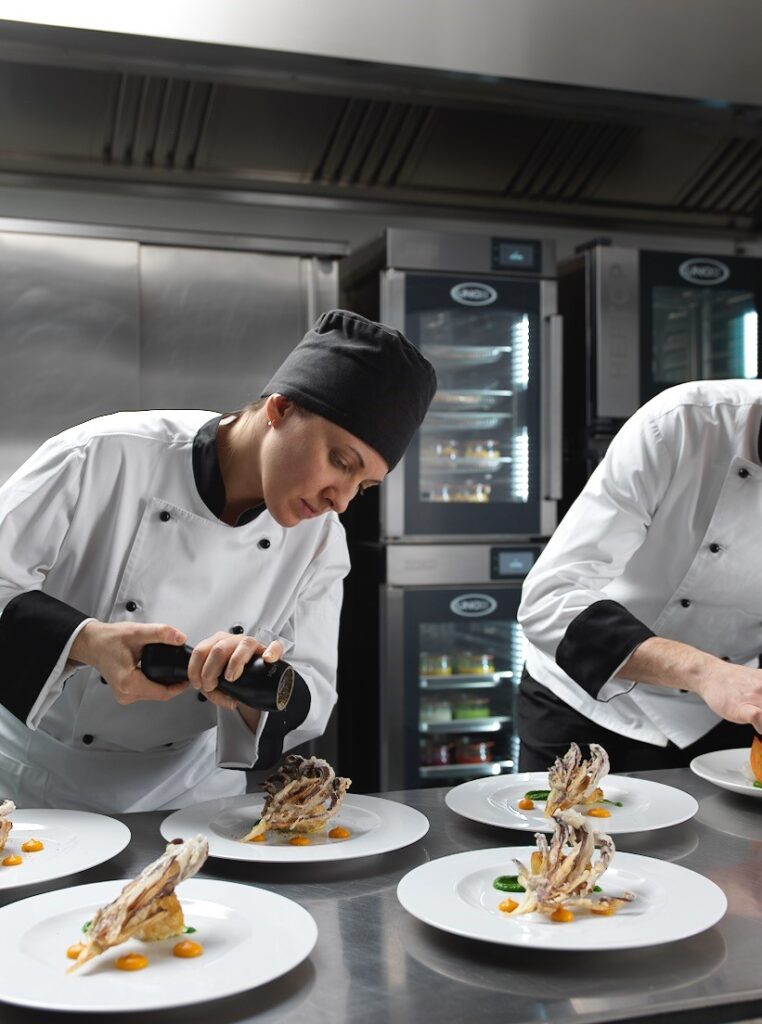
Now, more than ever, visual appeal in catering has become one of the most important aspects of creating a successful business. Research has proven that how foods are served or plated impacts people’s perception of their flavor. It also affects people’s subsequent food choices—whether they go in for seconds or become repeat customers.

Thankfully, caterers can take several steps to improve the visual appeal of their offerings without changing much about how they operate. Here are four ways to make any catering offering look better and, in turn, increase the likelihood of landing more repeat customers.

A Tale of Two Kitchens

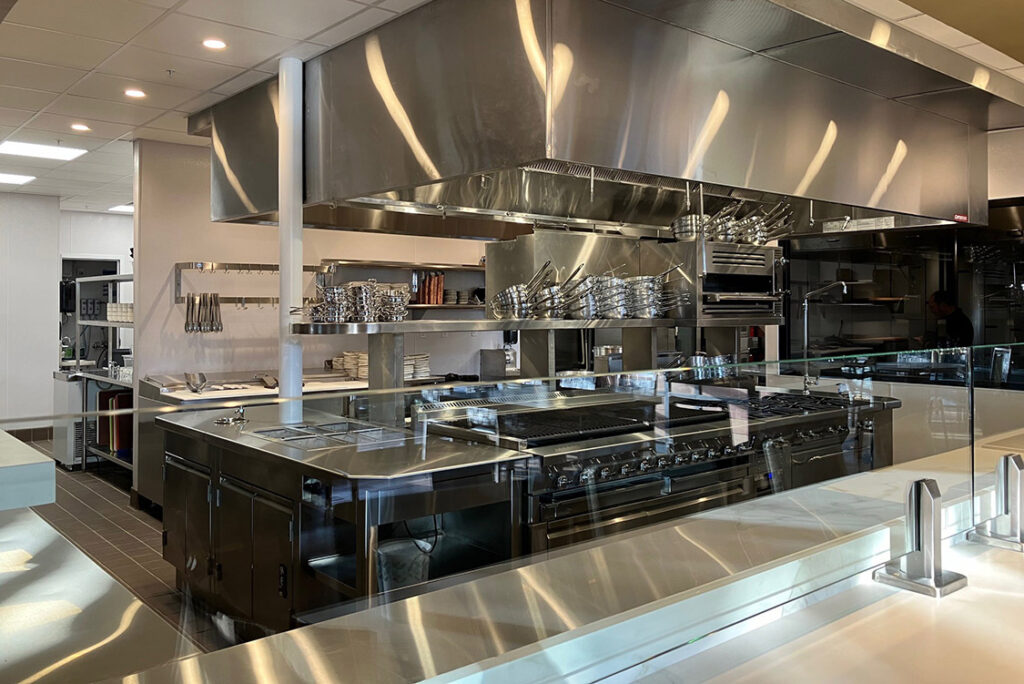
While a kitchen renovation may be high on the wish list, it often gets relegated to the backburner due to cost, disruption and the time you know it will take. And yet, it’s often a major key to growth.

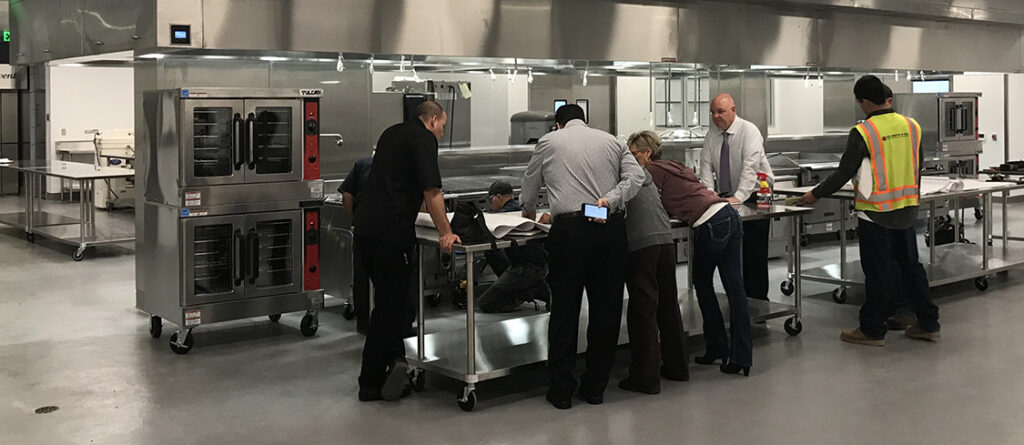
Consider the stories of Ridgewells Catering in Washington, D.C., and 24 Carrots Catering & Events in Costa Mesa, California, two of the largest caterers in the country. The first stands on the precipice of a significant renovation. The latter has been basking in the success of its extensive renovation since 2018. Both owners understand that while kitchen rehauls present many challenges, the investment will pay off for years to come.

Brave New Kitchens

When it comes to designing professional kitchens, “efficiency and flexibility will never go out of style, regardless of the trends,” says Marisa Mangani, president of Mise En Place Design in Sarasota, Florida. “It’s all about making money, saving steps, minimizing labor and having built-in flexibility to account for menu changes and staffing changes.”

The PreciTaste AI kitchen management system, one of the 2023 KI Award recipients

The Right Stuff

If you’re looking to save time and money in the kitchen—and who isn’t?—make sure you’re up-to-date on the latest innovations taking place in foodservice equipment. According to industry experts and manufacturers, many of the products and appliances debuting on the market are designed to cut down on labor and trim expenses.

Being mobile helped many food trucks survive the pandemic.

On The Road Again

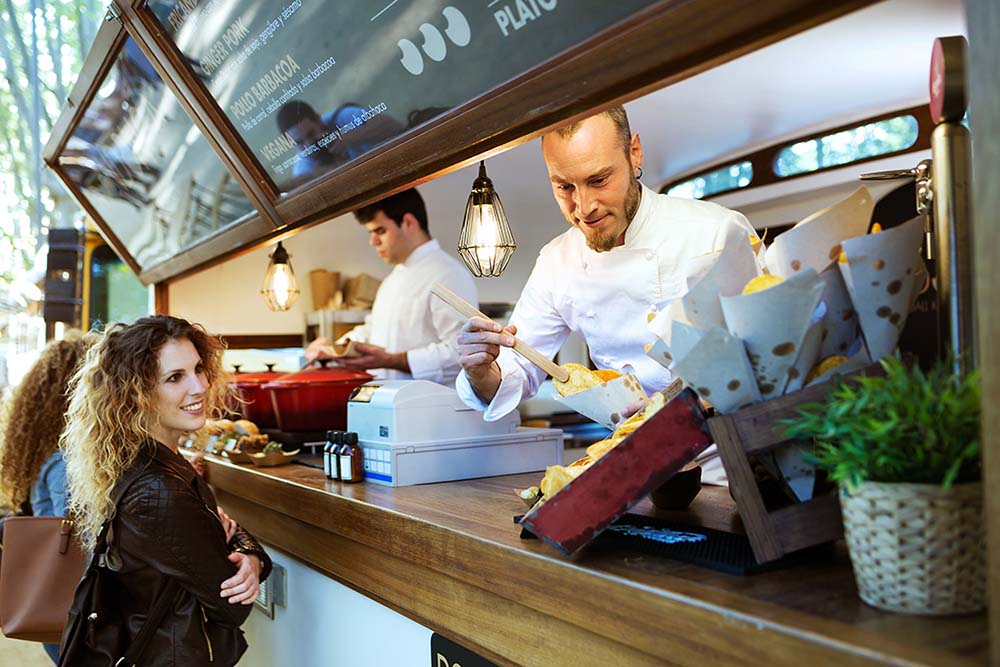
Have food, will travel. When it came to weathering the pandemic, being on wheels helped some food trucks stay in business. “Mobility is a huge advantage for food trucks,” says Ross Resnick, co-founder and CEO of Roaming Hunger, a booking marketplace for more than 18,000 food trucks in the U.S. and Canada. “They will go where the opportunities are.”

What’s Working in the Kitchen?

The COVID-19 pandemic changed a lot in our world, but has it changed what restaurants and caterers are looking for in foodservice equipment?
Absolutely, say manufacturers. CFE talked to executives from five companies in the industry who say foodservice operators are looking for professional kitchen equipment that’s flexible, labor-saving, economical and eco-friendly, and that cleaning and disinfectant features are more important than ever.

Transition to Takeout

In March, many caterers had to swiftly transition to a pickup and delivery model, as required social distancing due to COVID-19 resulted in a mass cancellation of events.

Scroll to Top