Food Trends

What’s Hot in Hospitality

Caviar carts, sensorial cocktails and corporate events that emphasize flexibility.

Those are just a few of the 2025 industry trends identified by Elite Catering + Event Professionals (ECEP), a collaborative network of leaders from the world’s top catering and hospitality organizations. The organization released the ECEP 2025 Trends Report, compiled during this year’s ECEP Symposium in Napa, California.

Pouring Profits

Have you tapped into the brewing demand for specialty coffee?

If not, the robust revenue stream may be just the jolt your menu needs. As of 2024, 45% of American adults reported consuming specialty coffee in the past day—an 80% increase since 2011, according to a report from the National Coffee Association. In fact, for the first time, specialty coffee consumption surpassed that of traditional coffee.

Eco-Friendly Events

There’s a growing appetite for sustainable events. Are you meeting the demand?

According to a recent report from Food for Climate League and Datassential, the foodservice industry research firm, 79 percent of consumers plan to eat more sustainably in the next year. That includes 33 percent who say they never eat sustainable foods but plan to start.

Whether you’re just starting out on your sustainable journey or looking to become even greener, we’ve rounded up 10 strategies to follow to minimize your company’s impact on the environment.

ECEP Caterers Are Mad for Mocha Mousse

The rich, warm hue of Mocha Mousse—Pantone’s Color of the Year 2025—is adding sophistication to both desserts and décor. Caterer members of ECEP have embraced the earthy brown tone, creating irresistible desserts in the indulgent shade.

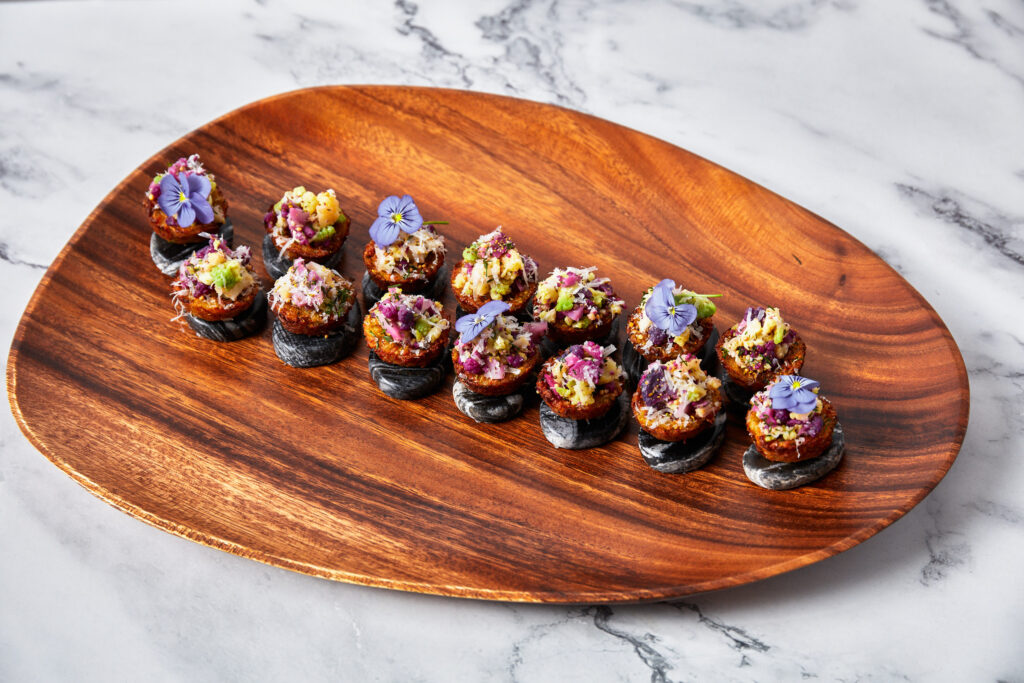
Small Plates, Big Impact

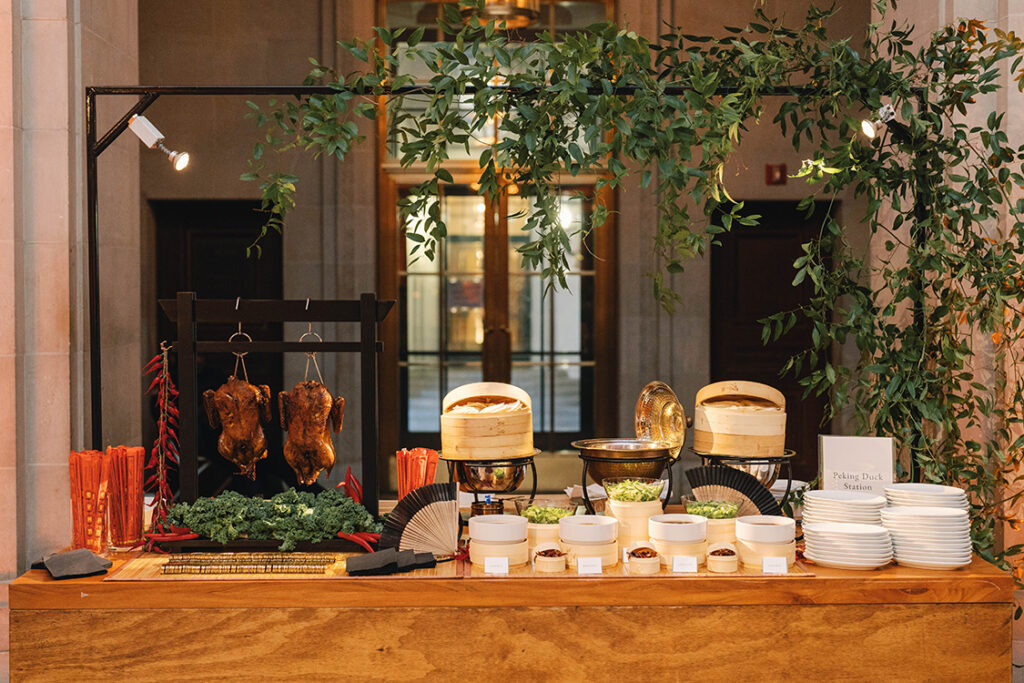
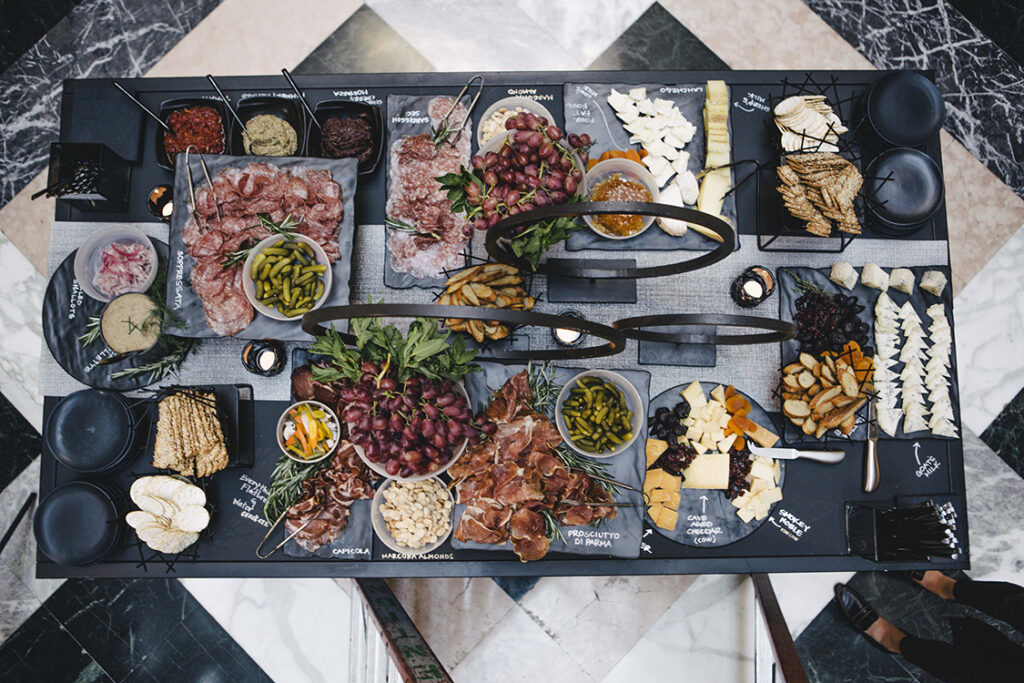
A senior event designer at Ridgewells Catering in the Washington, D.C., area, Mary Margaret Hart follows a general rule of thumb when creating a food station or buffet. “You never put anything directly on the table,” she says. “It’s got to be lifted up and not just sitting on a table, because that looks like what we do in our own homes.”

That same guiding principle could apply to what successful caterers do every day—elevate how food looks, tastes and engages the imagination, so the dining experience transcends the quotidian. Food stations, with their thoughtfully composed small plates and inspired themes, are often the perfect vehicles for caterers to show off both culinary and design expertise.

The Five Biggest Catering Trends of 2025

In 2025, catering will continue to transcend the traditional concept of just feeding guests—it’s becoming an art form, an immersive experience designed to engage every sense. At the forefront of this evolution is Constellation Culinary Group, a catering company bringing restaurant-quality cuisine with elevated presentations across a wide range of venues, from cultural landmarks like Carnegie Hall and the Philadelphia Museum of Art to intimate weddings and high-profile events.

This year’s catering trends emphasize globally inspired flavors, refined interpretations of quiet luxury and more. Discover what’s on the horizon for 2025 with insights from Constellation’s culinary director, Meg Grasso.

Tapping into the Experience Economy

The “experience economy” refers to consumers prioritizing experiences over material possessions. For some, this preference aligns with their minimalist lifestyle, while others may be spurred on by social media and “FOMO” (fear of missing out). Regardless of motivation, consumers are increasingly craving dining experiences that go beyond simply eating and enjoying a meal.

Business Leaders Connect at Plant Based World Expo North America

Plant Based World Expo North America, the leading 100% plant-based trade event, marked its fifth event presenting the future of the plant-based industry to retail and foodservice professionals at the Javits Center in New York City. The event highlighted the accelerating innovation and longevity of the plant-based sector, setting the stage for what’s next in food and beverage, and bringing it to key stakeholders in the food industry.

Plant-Based Power

Whether they’re vegan, vegetarian or simply want to eat less meat, consumers are increasingly embracing plant-based diets.

According to a 2023 Gallup survey, 4 percent of Americans are vegetarian and 1 percent are vegan. That doesn’t tell the whole story, however. Younger consumers are far more likely to eschew animal proteins. A 2023 YPulse survey found that 10 percent of young people describe their diet as vegetarian, vegan or plant-based. Up to 40 percent of consumers 50 and under are actively trying to incorporate more plant-based protein into their diets, according to a study by the United Soybean Board. And 72 percent of Americans describe the need for a more sustainable way of eating as “urgent,” according to an International Sustainable Food Barometer study commissioned by Sodexo.

Following are 10 trends taking root in plant-based dining, as caterers and chefs cultivate menus to meet sprouting demand.

Scroll to Top