Featured

What’s Next for Catering?

Signs point to a robust year for catering in 2025. That’s the consensus from three veteran caterers, who shared with CFE their outlook for the industry.

“It’s hard to believe that we are five years removed from the pandemic,” says Anthony Lambatos, owner and CEO of Footers Catering in Arvada, Colorado. “After the dramatic drop-off and then meteoric return of events, business has stabilized, and we are settling into an environment with a bit more predictability.”

Lambatos—along with Kevin Lacassin of Good Food Events + Catering in Tampa, Florida, and Robin Selden of Marcia Selden Catering in Stamford, Connecticut—pointed to six trends they see impacting their businesses going forward.

Eco-Friendly Events

There’s a growing appetite for sustainable events. Are you meeting the demand?

According to a recent report from Food for Climate League and Datassential, the foodservice industry research firm, 79 percent of consumers plan to eat more sustainably in the next year. That includes 33 percent who say they never eat sustainable foods but plan to start.

Whether you’re just starting out on your sustainable journey or looking to become even greener, we’ve rounded up 10 strategies to follow to minimize your company’s impact on the environment.

Advocating for Change

Change and upheaval can be powerful catalysts for action. This was precisely the case for the founding members of Elite Catering + Event Professionals (ECEP) as they faced the second year of the COVID-19 pandemic in 2021, which brought a devastating ripple effect to their livelihoods. The catering industry came to a complete standstill, with no relief in sight.

The idea of forming a group with advocacy at its core quickly gained momentum. “Our industry was in dire need of advocacy, leadership and collaboration,” says Susan Lacz, a founding member of ECEP and its inaugural president.

Small Plates, Big Impact

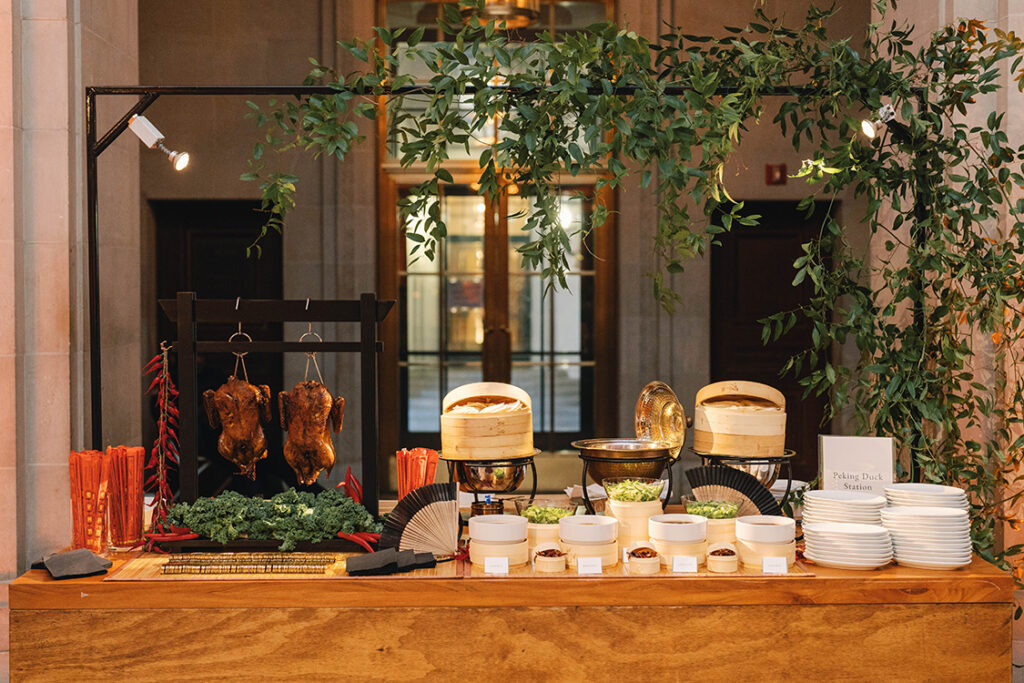
A senior event designer at Ridgewells Catering in the Washington, D.C., area, Mary Margaret Hart follows a general rule of thumb when creating a food station or buffet. “You never put anything directly on the table,” she says. “It’s got to be lifted up and not just sitting on a table, because that looks like what we do in our own homes.”

That same guiding principle could apply to what successful caterers do every day—elevate how food looks, tastes and engages the imagination, so the dining experience transcends the quotidian. Food stations, with their thoughtfully composed small plates and inspired themes, are often the perfect vehicles for caterers to show off both culinary and design expertise.

Progress in Cold Chain Logistics

When the risk of food spoilage and foodborne illness is mitigated, your customers are satisfied, and your business grows.

Cold chain logistics—the storing, handling and transporting of temperature-sensitive items—play an essential role in ensuring food safety and quality. The essence of cold chain logistics is the management of perishable food and beverages under tightly controlled conditions to prevent spoilage.

What’s In for Going All Out

When it comes to their weddings, couples these days don’t follow the herd. Eschewing cookie-cutter affairs, brides and grooms are letting their personalities shine through in every aspect of their big celebrations, from the cuisine to the décor to the entertainment.

CFE has rounded up 15 wedding trends that event professionals are seeing gain traction from coast to coast.

Listing Your Business for Sale

As a caterer, you know that meticulous preparation is the key to a successful event. If you don’t put in the work beforehand, you won’t achieve satisfying results for you and your clients.

The same philosophy applies to selling your catering business. With careful research and planning, you’ll put yourself in a much better position to reap the financial rewards of a successful transaction.

Olympic-Sized Lessons

John Crisafulli—ECEP founding member, and president and CEO of Behind the Scenes (BTS) Catering in San Diego—has produced food at 13 Olympic Games. He’s seen it all, from Covid restrictions to frustrating red tape to perhaps the most exciting challenge—preparing a culinary experience in Paris, the city that sets culinary standards.

Plant-Based Power

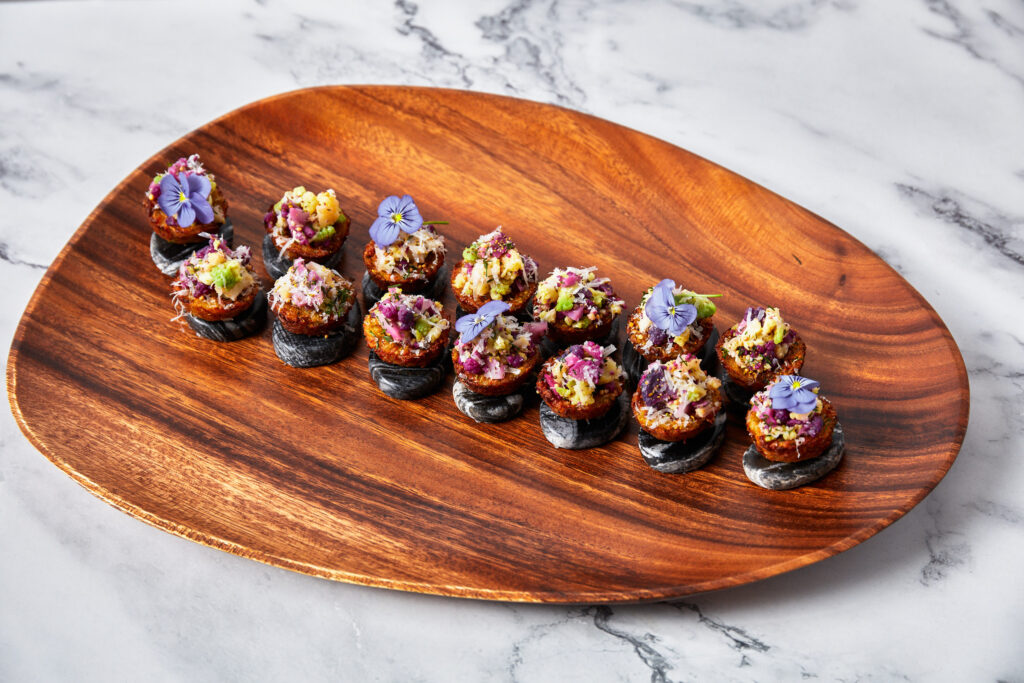
Whether they’re vegan, vegetarian or simply want to eat less meat, consumers are increasingly embracing plant-based diets.

According to a 2023 Gallup survey, 4 percent of Americans are vegetarian and 1 percent are vegan. That doesn’t tell the whole story, however. Younger consumers are far more likely to eschew animal proteins. A 2023 YPulse survey found that 10 percent of young people describe their diet as vegetarian, vegan or plant-based. Up to 40 percent of consumers 50 and under are actively trying to incorporate more plant-based protein into their diets, according to a study by the United Soybean Board. And 72 percent of Americans describe the need for a more sustainable way of eating as “urgent,” according to an International Sustainable Food Barometer study commissioned by Sodexo.

Following are 10 trends taking root in plant-based dining, as caterers and chefs cultivate menus to meet sprouting demand.

Rocco DiSpirito Talks with CFE

With his 15th cookbook, “Everyday Delicious,” Rocco DiSpirito celebrates what inspired him during the pandemic-induced time at home—a renewed appreciation for “what the core of cooking is all about, which is really taking some ingredients, transforming them, and creating a moment around the table.”

Weeks after opening his newest restaurant in the Hamptons—Il Pellicano Southampton, serving coastal-inspired Italian cuisine—DiSpirito spoke with CFE about the cookbook, food TV, the challenges of catering and his upcoming appearance at the California Restaurant Show in Los Angeles on Aug. 26.

Scroll to Top