Sustainability

Trend Watch: Sandals and Beaches Resorts Debut Eco-Chic Weddings

Sandals Resorts and Beaches Resorts have unveiled Nature’s Vow, a new eco-chic wedding inspiration poised to define 2026 celebrations. Rooted in the spirit of the Caribbean, the design blends sustainable elements with elevated style, offering couples a trend-forward way to honor love, nature and purpose, surrounded by friends and family.

Rentals: The Responsible Choice

From large festivals to intricate and intimate gatherings, we who work in the events space generate our fair share of waste and carbon emissions. Single-use décor, mass-produced materials and short-lived installations all contribute to a cycle of consumption that can strain our planet’s resources.

But what if we could shift this narrative—not by compromising creativity or experience, but by rethinking the way events are designed and executed?

A growing movement within the industry is proving that it’s possible. And at the heart of that movement is a concept that’s known to us all: rentals.

Eco-Friendly Events

There’s a growing appetite for sustainable events. Are you meeting the demand?

According to a recent report from Food for Climate League and Datassential, the foodservice industry research firm, 79 percent of consumers plan to eat more sustainably in the next year. That includes 33 percent who say they never eat sustainable foods but plan to start.

Whether you’re just starting out on your sustainable journey or looking to become even greener, we’ve rounded up 10 strategies to follow to minimize your company’s impact on the environment.

Food Packaging Strategies

Today, all aspects of foodservice operations are under scrutiny, from sourcing to water conservation to food waste. Consumers and lawmakers are increasingly pushing the foodservice industry to adopt practices that will get us closer to creating a sustainable food ecosystem.

This heightened awareness creates unique opportunities for caterers to stand out. Businesses that embrace this shift can refresh their brand identity, attract eco-conscious clients and potentially command premium pricing.

The Five Biggest Catering Trends of 2025

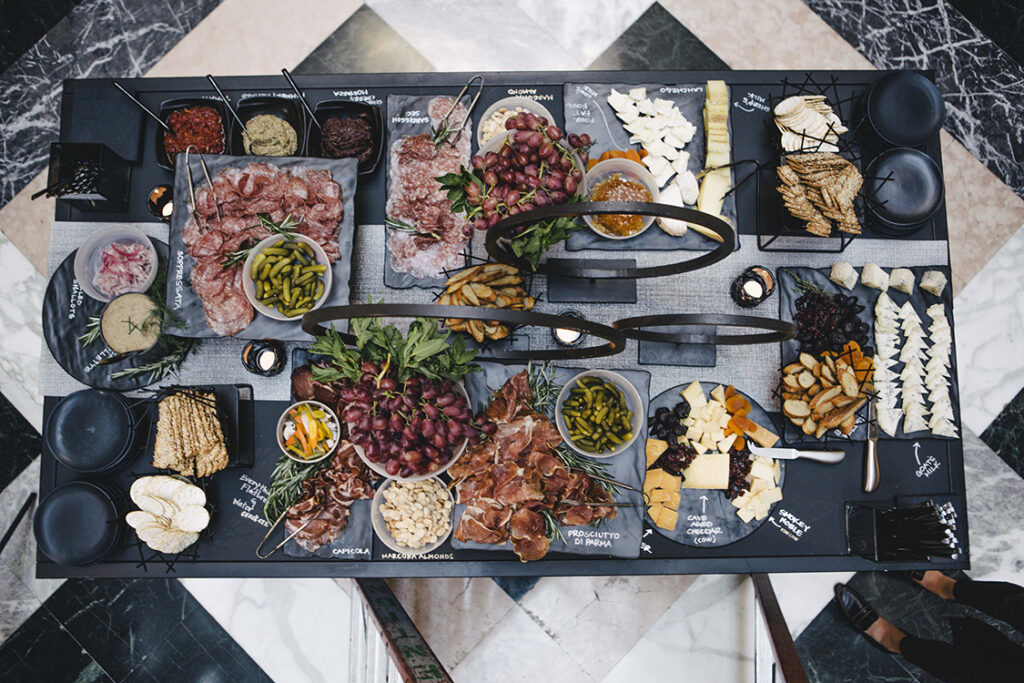
In 2025, catering will continue to transcend the traditional concept of just feeding guests—it’s becoming an art form, an immersive experience designed to engage every sense. At the forefront of this evolution is Constellation Culinary Group, a catering company bringing restaurant-quality cuisine with elevated presentations across a wide range of venues, from cultural landmarks like Carnegie Hall and the Philadelphia Museum of Art to intimate weddings and high-profile events.

This year’s catering trends emphasize globally inspired flavors, refined interpretations of quiet luxury and more. Discover what’s on the horizon for 2025 with insights from Constellation’s culinary director, Meg Grasso.

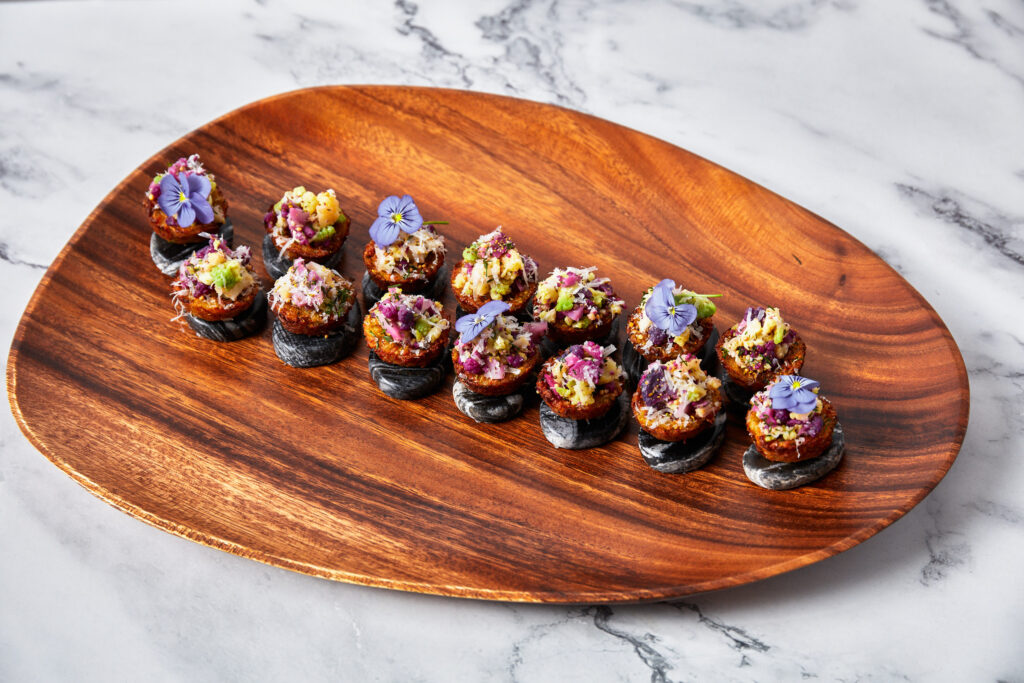
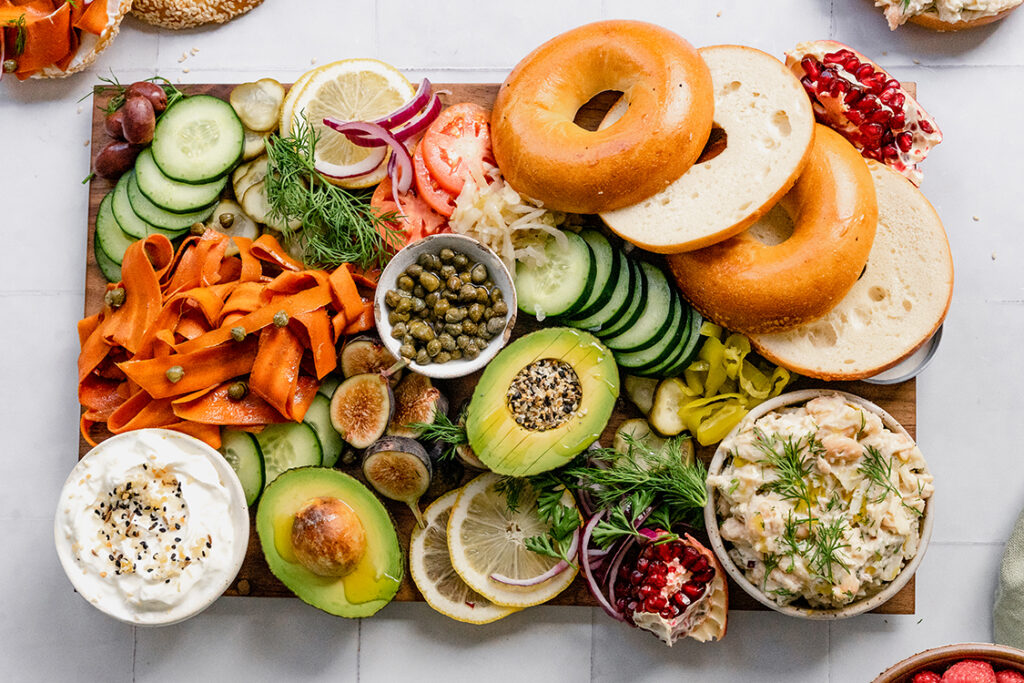
Plant-Based Power

Whether they’re vegan, vegetarian or simply want to eat less meat, consumers are increasingly embracing plant-based diets.

According to a 2023 Gallup survey, 4 percent of Americans are vegetarian and 1 percent are vegan. That doesn’t tell the whole story, however. Younger consumers are far more likely to eschew animal proteins. A 2023 YPulse survey found that 10 percent of young people describe their diet as vegetarian, vegan or plant-based. Up to 40 percent of consumers 50 and under are actively trying to incorporate more plant-based protein into their diets, according to a study by the United Soybean Board. And 72 percent of Americans describe the need for a more sustainable way of eating as “urgent,” according to an International Sustainable Food Barometer study commissioned by Sodexo.

Following are 10 trends taking root in plant-based dining, as caterers and chefs cultivate menus to meet sprouting demand.

Smart Packaging

For foodservice companies committed to sustainability, packaging presents an ongoing challenge. After all, your food needs to get into the hands of customers. But how do you do it in a way that minimizes waste?

Steve Short, COO and chief culinary officer of Steve Short Culinary Team (SSCT) in Phoenix, has been focusing on such solutions for years. “We are convinced that if you are in the food and hospitality business, you have an obligation to handle your waste and your food from start to finish,” says Short.

Eco-Friendly Strategies

Embracing sustainability in the foodservice industry isn’t just a trend; it’s a fundamental shift that encompasses many aspects of your day-to-day operations. If that sounds intimidating or off-putting, it shouldn’t. Many sustainable practices are also just good business, lowering operating costs and adhering to industry best practices.

How to Benefit from a Circular Economy

The foodservice industry has spent decades honing one of the most efficient and effective supply chains in the world. Not only does it deliver fresh food to an ever-expanding population, it does so at low cost and with minimal disruption.

 The unfortunate fact remains, however, that this system is breaking. We operate under the guise of the “linear economy,” where we make things, use them briefly, then throw them away. In the world of food, this looks like high yields of food grown with artificial fertilizers and pesticides that degrade the soil, transported miles to their final destination, where over one third of the food is then wasted.

Elior is focused on diverting as much “pre-plate” food waste as possible.

Going Greener

April is Earth Month—an ideal time to look at the sustainability initiatives taking center stage in many service businesses today. At Elior North America, for example, leadership is committed to doing good by serving healthy, delicious food while making a positive impact on communities and the environment.

Scroll to Top