2025

Food Packaging Strategies

Today, all aspects of foodservice operations are under scrutiny, from sourcing to water conservation to food waste. Consumers and lawmakers are increasingly pushing the foodservice industry to adopt practices that will get us closer to creating a sustainable food ecosystem.

This heightened awareness creates unique opportunities for caterers to stand out. Businesses that embrace this shift can refresh their brand identity, attract eco-conscious clients and potentially command premium pricing.

Advocating for Change

Change and upheaval can be powerful catalysts for action. This was precisely the case for the founding members of Elite Catering + Event Professionals (ECEP) as they faced the second year of the COVID-19 pandemic in 2021, which brought a devastating ripple effect to their livelihoods. The catering industry came to a complete standstill, with no relief in sight.

The idea of forming a group with advocacy at its core quickly gained momentum. “Our industry was in dire need of advocacy, leadership and collaboration,” says Susan Lacz, a founding member of ECEP and its inaugural president.

Personalizing the Big Day

Creating weddings that capture a couple’s personalities is what it’s all about for event planner Brian Worley.

Based in Atlanta, Worley has produced and designed about 250 weddings in his career—including his own mother’s. CFE recently caught up with Worley to get his take on wedding design trends and to learn what inspires him when planning a couple’s big day.

ECEP Caterers Are Mad for Mocha Mousse

The rich, warm hue of Mocha Mousse—Pantone’s Color of the Year 2025—is adding sophistication to both desserts and décor. Caterer members of ECEP have embraced the earthy brown tone, creating irresistible desserts in the indulgent shade.

Small Plates, Big Impact

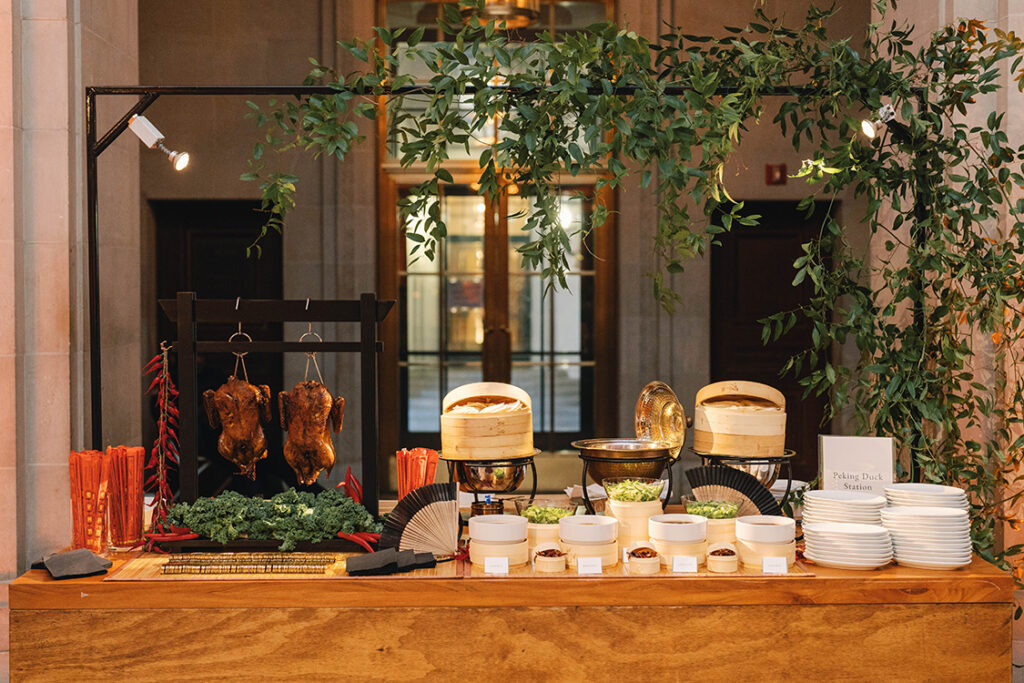
A senior event designer at Ridgewells Catering in the Washington, D.C., area, Mary Margaret Hart follows a general rule of thumb when creating a food station or buffet. “You never put anything directly on the table,” she says. “It’s got to be lifted up and not just sitting on a table, because that looks like what we do in our own homes.”

That same guiding principle could apply to what successful caterers do every day—elevate how food looks, tastes and engages the imagination, so the dining experience transcends the quotidian. Food stations, with their thoughtfully composed small plates and inspired themes, are often the perfect vehicles for caterers to show off both culinary and design expertise.

Collective Wisdom for Catering Excellence

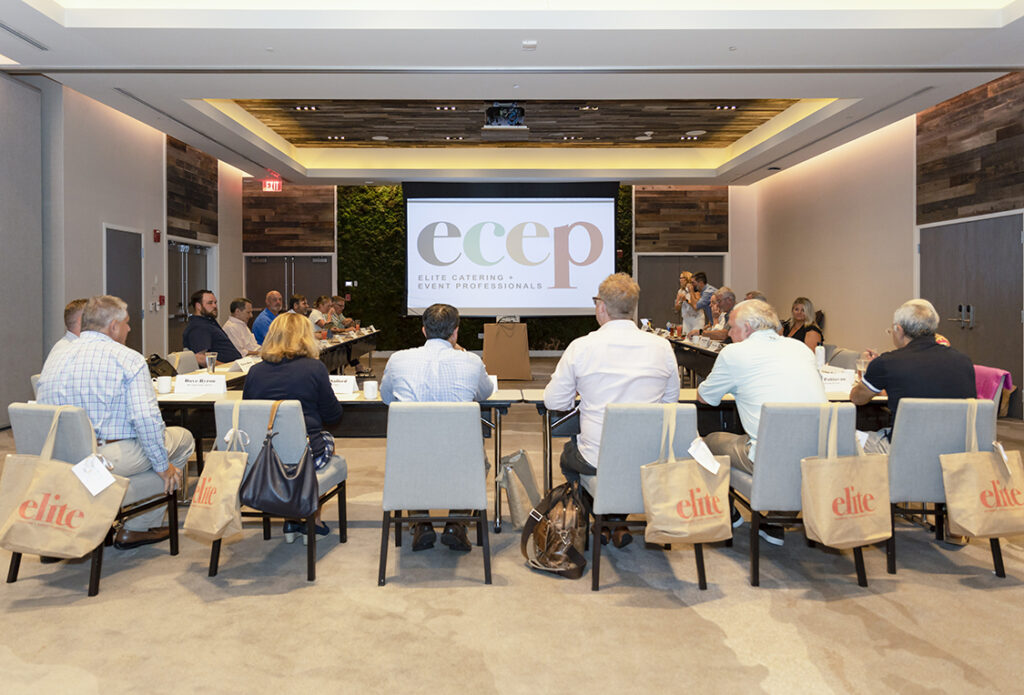
At the annual symposium for Elite Catering + Event Professionals (ECEP), top catering business owners come together with thought leaders to exchange ideas and best practices. From HR and operations to culinary, kitchen, sales and finance, the event is a dynamic gathering of collective hospitality wisdom. Attendees leave with actionable insights designed to elevate their business and further the relationships started that week.

As ECEP prepares for its 2025 Symposium in Napa Valley, California, we’ve summarized five of the most impactful sessions from previous symposiums, with actionable strategies to help any catering business grow and prosper.

Creating a Positive Workplace Culture

It’s a conundrum for hospitality businesses. Customer service is only as good as the people providing it. Yet it’s difficult to find and keep committed employees in an industry with one of the highest job turnover rates.

To find out how one large catering company successfully does it, CFE reached out to Atlanta’s Proof of the Pudding. LaTosha Marks, Proof of the Pudding’s senior vice president of human resources, shared six strategies the company employs to attract and retain quality staff members as the company grows.

Progress in Cold Chain Logistics

When the risk of food spoilage and foodborne illness is mitigated, your customers are satisfied, and your business grows.

Cold chain logistics—the storing, handling and transporting of temperature-sensitive items—play an essential role in ensuring food safety and quality. The essence of cold chain logistics is the management of perishable food and beverages under tightly controlled conditions to prevent spoilage.

Complying with Foodservice Standards

Compliance in the foodservice and catering industry has grown increasingly complex as regulations become more stringent.

With over 12 federal regulatory agencies and more than 30 laws linked to monitoring food safety, allergen labeling, hygiene and traceability, companies must grapple with an array of legal issues. These standards, which are higher than ever, require catering businesses to automate and streamline their compliance approach to meet federal and local regulations successfully.

Sensational Sweets and Sips

Wedding receptions are a time to indulge.

To help you plan your big events accordingly, we’ve rounded up some of the latest trends in scrumptious desserts and celebratory cocktails. Let’s get this party started!

Scroll to Top