Sustainability

Smart Packaging

For foodservice companies committed to sustainability, packaging presents an ongoing challenge. After all, your food needs to get into the hands of customers. But how do you do it in a way that minimizes waste?

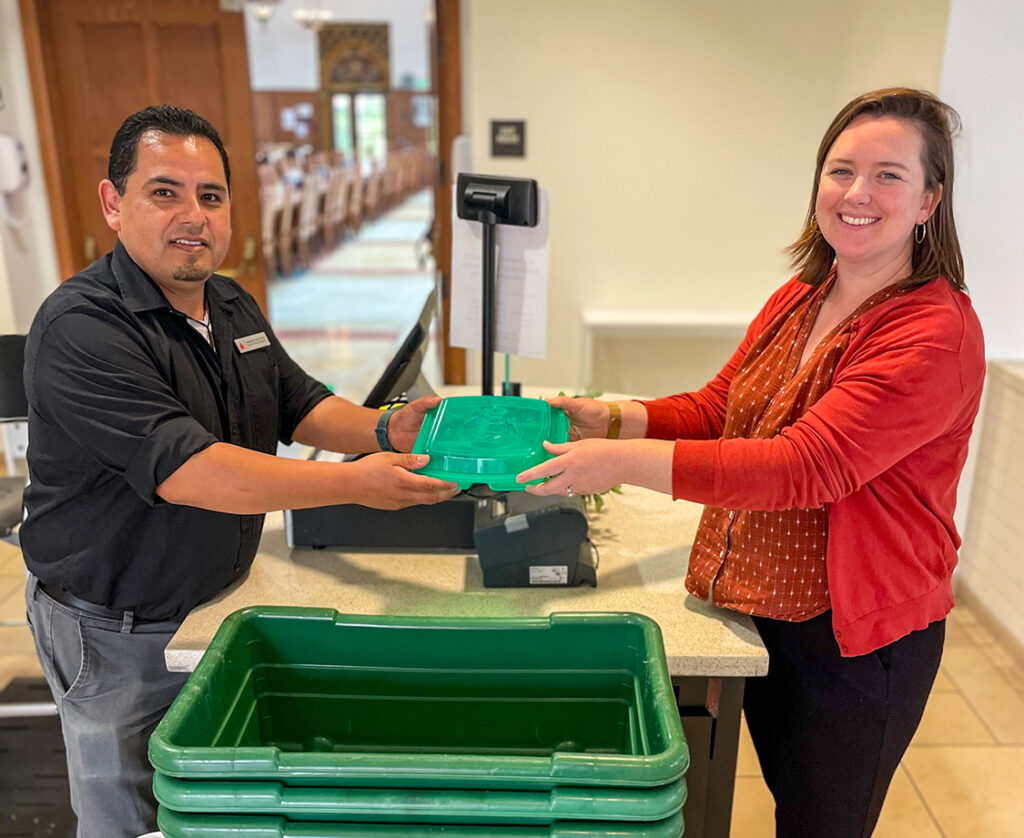
Steve Short, COO and chief culinary officer of Steve Short Culinary Team (SSCT) in Phoenix, has been focusing on such solutions for years. “We are convinced that if you are in the food and hospitality business, you have an obligation to handle your waste and your food from start to finish,” says Short.

Eco-Friendly Strategies

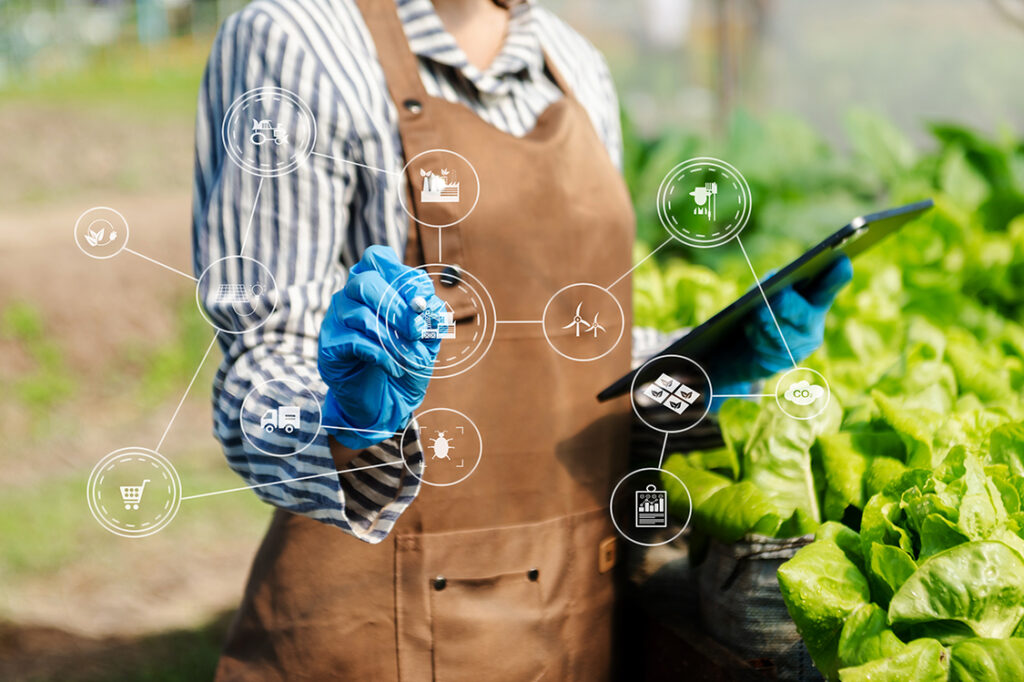
Embracing sustainability in the foodservice industry isn’t just a trend; it’s a fundamental shift that encompasses many aspects of your day-to-day operations. If that sounds intimidating or off-putting, it shouldn’t. Many sustainable practices are also just good business, lowering operating costs and adhering to industry best practices.

How to Benefit from a Circular Economy

The foodservice industry has spent decades honing one of the most efficient and effective supply chains in the world. Not only does it deliver fresh food to an ever-expanding population, it does so at low cost and with minimal disruption.

 The unfortunate fact remains, however, that this system is breaking. We operate under the guise of the “linear economy,” where we make things, use them briefly, then throw them away. In the world of food, this looks like high yields of food grown with artificial fertilizers and pesticides that degrade the soil, transported miles to their final destination, where over one third of the food is then wasted.

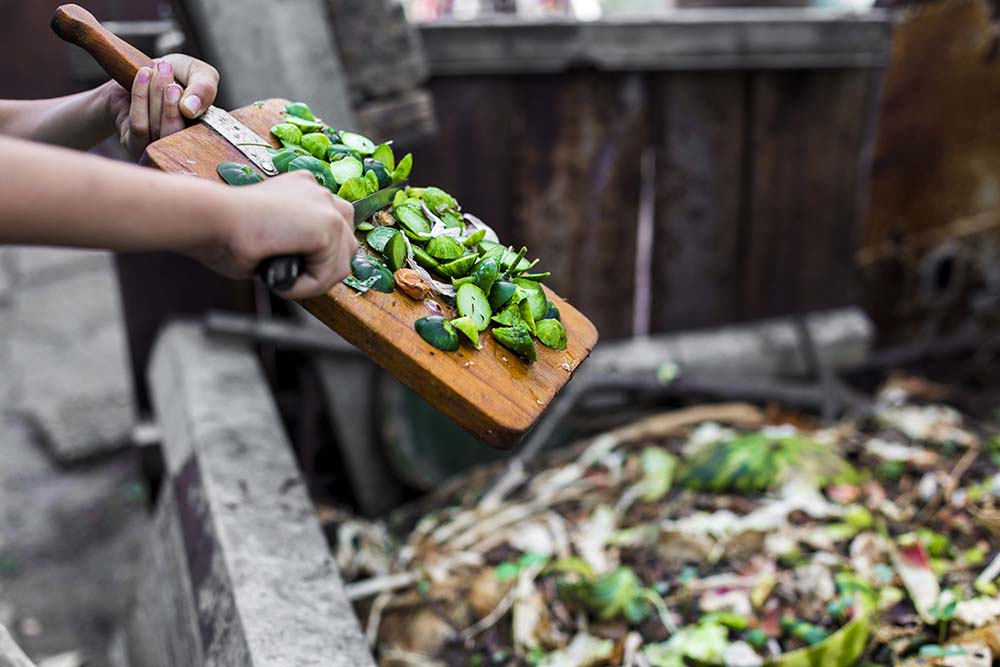
Elior is focused on diverting as much “pre-plate” food waste as possible.

Going Greener

April is Earth Month—an ideal time to look at the sustainability initiatives taking center stage in many service businesses today. At Elior North America, for example, leadership is committed to doing good by serving healthy, delicious food while making a positive impact on communities and the environment.

Scroll to Top