
Weathering the Storm (Part 2)
2020 wasn’t supposed to be this way. The COVID-19 crisis and the resulting devastation in the industry have waylaid all the plans catering companies may have had for the
2020 wasn’t supposed to be this way. The COVID-19 crisis and the resulting devastation in the industry have waylaid all the plans catering companies may have had for the
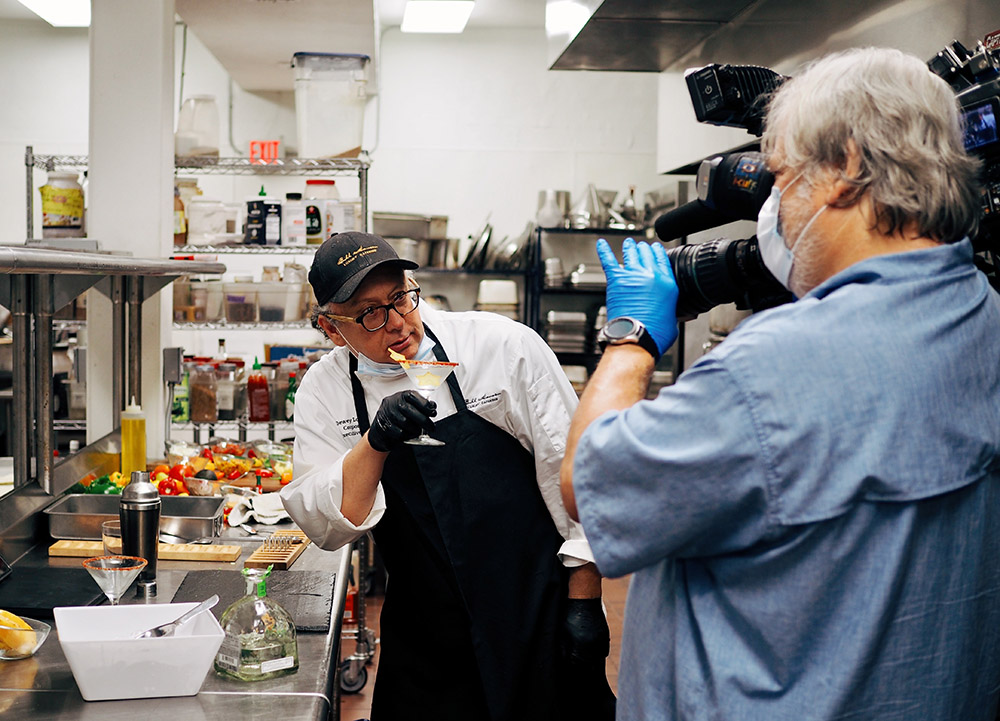
2020 wasn’t supposed to be this way. The COVID-19 crisis and the resulting devastation in the industry have waylaid all the plans catering companies may have had for the year. Yet even while they’ve had to make tough, emotional decisions, caterers are responding to the times with characteristic grit and optimism.

By now, most small businesses fall in one of two categories: those who got COVID relief loans and those who didn’t. Whichever group you fall into, you’ll want to understand what happens next and explore other options.
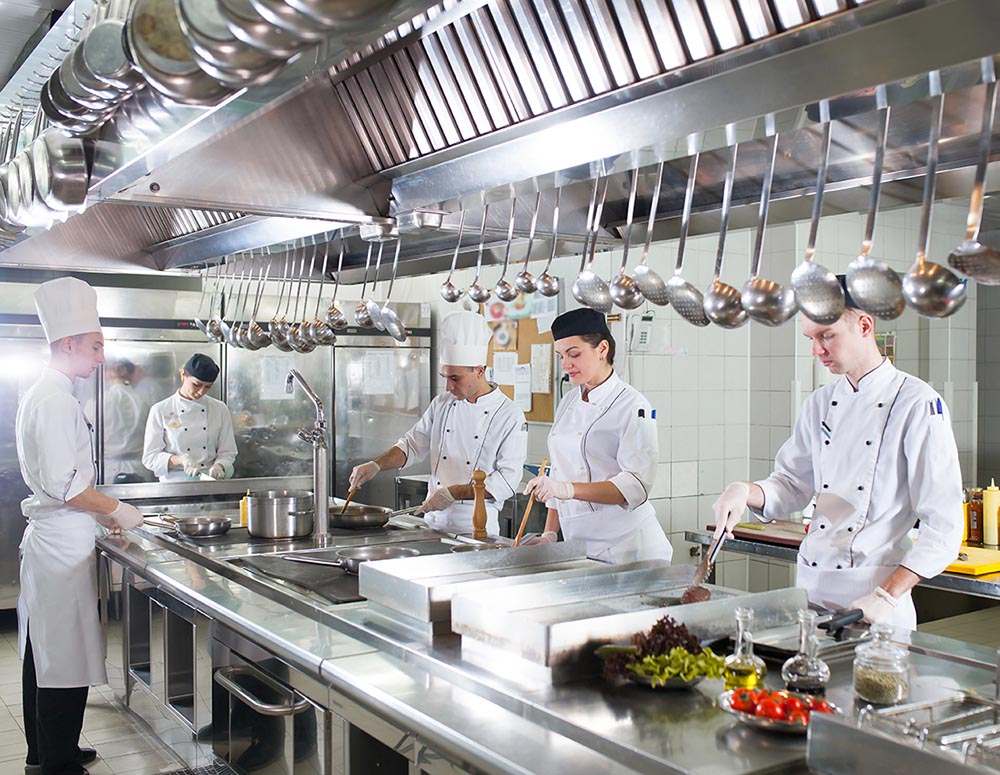
They say too many cooks in the kitchen spoil the broth. But what about too many appliances in the kitchen? The wrong type or size of foodservice equipment can certainly hinder performance, affecting output and profits.

Think your catering business is immune from identity theft? So did Banquets Unlimited in North Huntingdon, Pa. Then an employee stole more than $8,000.

Many Americans have responded to the COVID-19 crisis by helping their neighbors in need. America’s Food Fund—a GoFundMe campaign led by Leonardo DiCaprio and Laurene Powell Jobs, benefiting Feeding America and World Central Kitchen—has raised nearly $14 million as of April 17. Jeff Bezos contributed $100 million to Feeding America’s COVID-19 Response Fund. Yet Feeding America—the largest hunger relief organization in the U.S.—continues to see demand for its food banks rise as a result of the crisis.
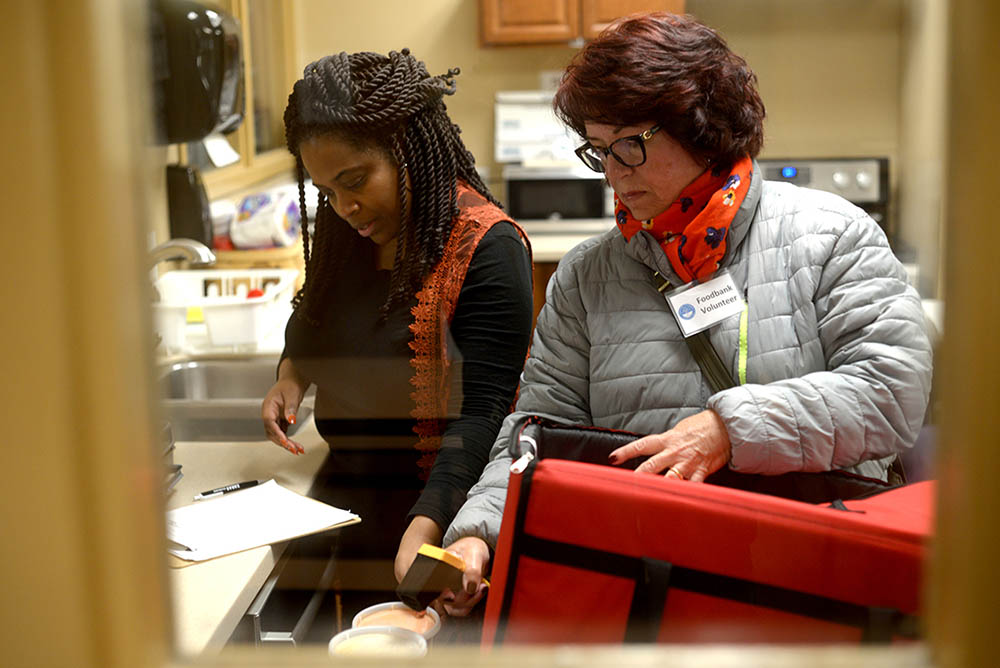
The Feeding America network of food banks is working round-the-clock to provide food to people across the country during this difficult time.
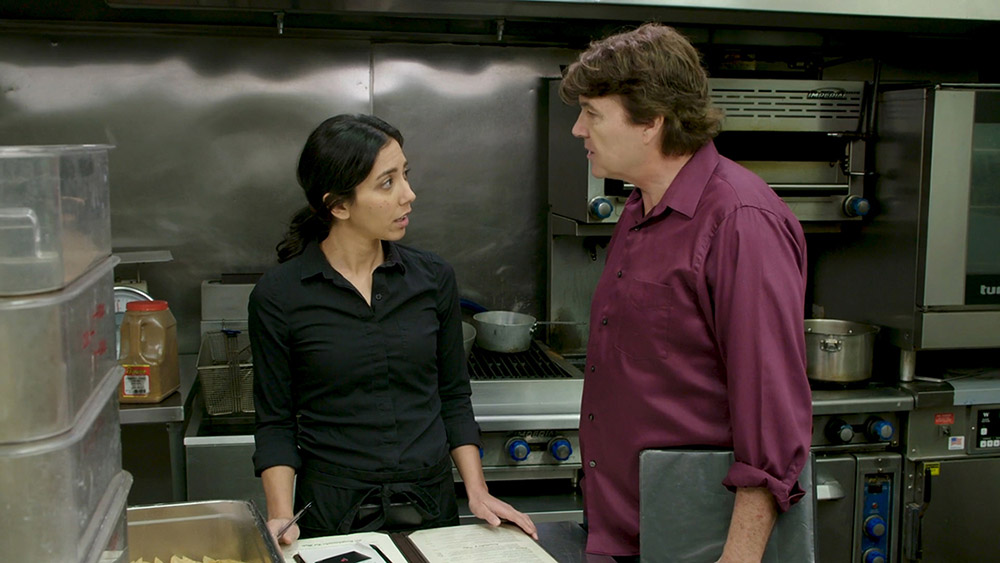
Just as creating healthier menus is increasingly important for the catering and event industry, so is creating a healthy, harassment-free workplace culture. In the #MeToo era, organizations across industries realize the consequences of letting bad behavior go unchecked. Sexual harassment claims can result in costly lawsuits and reputational damage, which can negatively affect morale, productivity, recruitment and retention, customer loyalty and the bottom line.
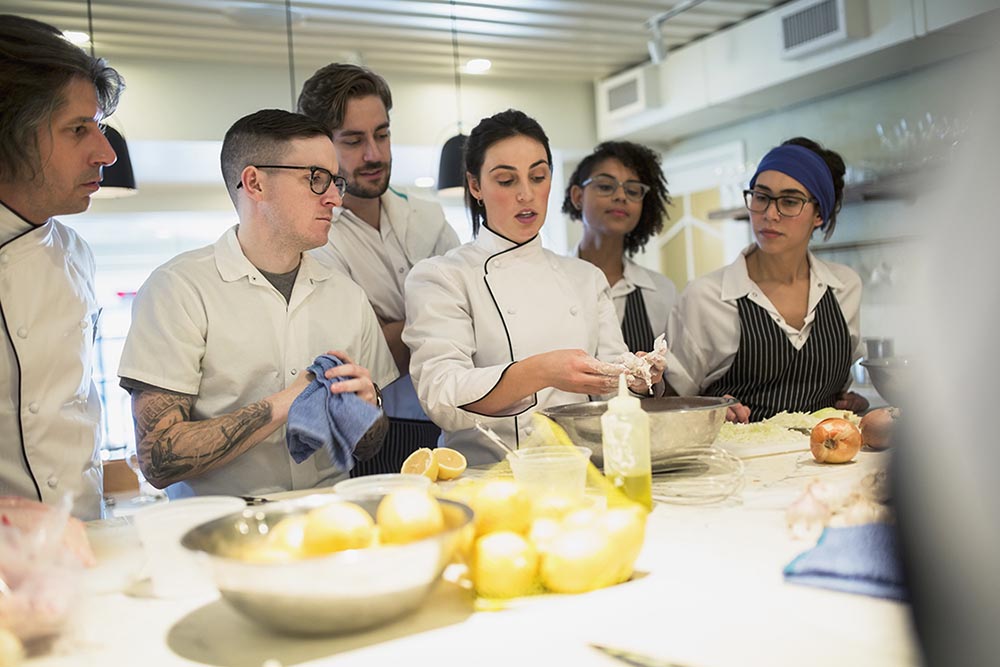
The restaurant industry has a clear turnover problem. Topping 70 percent annually in recent years, according to the U.S. Bureau of Labor Statistics, employee departure rates leave eateries, bars and other commercial kitchen-driven businesses challenged to find the best workers in a tight labor market.

By Sara Perez Webber
Last year, Atlanta-based Proof of the Pudding took on the challenge of catering five major boat shows in Florida. The company’s five-year concessions contract with Informa U.S. Boat Shows includes the Palm Beach International Boat Show, the St. Petersburg Boat Show, the Miami Yacht Show, the Suncoast Boat Show in Sarasota and—the largest in-water boat show in the world—the Fort Lauderdale International Boat Show.