Author name: Sara Perez Webber

Sara Perez Webber has been the editor of Catering Magazine for 10 years. A veteran writer and editor, specializing in hospitality, travel and business topics, she previously held staff positions at Travel Agent and Caribbean Travel & Life magazines. Webber has also written for and edited a wide variety of publications, websites and marketing materials in a freelance career spanning nearly two decades. She graduated from American University’s School of Communication in Washington, D.C.

A Breath of Fresh Air

The allure of the great outdoors is proving irresistible to a growing number of catering clients.

“At Constellation Culinary Group, we’ve seen a continued and growing preference for outdoor events across a wide variety of occasions,” says Katia Ponomareva, director of catering for off-premise events. “The pandemic certainly reshaped how people think about gathering spaces, elevating the appeal of fresh air and natural surroundings.”

To meet the rising demand for outdoor affairs, caterers and venues across the country are creating events that are a breath of fresh air.

What’s Next for Catering?

Signs point to a robust year for catering in 2025. That’s the consensus from three veteran caterers, who shared with CFE their outlook for the industry.

“It’s hard to believe that we are five years removed from the pandemic,” says Anthony Lambatos, owner and CEO of Footers Catering in Arvada, Colorado. “After the dramatic drop-off and then meteoric return of events, business has stabilized, and we are settling into an environment with a bit more predictability.”

Lambatos—along with Kevin Lacassin of Good Food Events + Catering in Tampa, Florida, and Robin Selden of Marcia Selden Catering in Stamford, Connecticut—pointed to six trends they see impacting their businesses going forward.

Pouring Profits

Have you tapped into the brewing demand for specialty coffee?

If not, the robust revenue stream may be just the jolt your menu needs. As of 2024, 45% of American adults reported consuming specialty coffee in the past day—an 80% increase since 2011, according to a report from the National Coffee Association. In fact, for the first time, specialty coffee consumption surpassed that of traditional coffee.

Eco-Friendly Events

There’s a growing appetite for sustainable events. Are you meeting the demand?

According to a recent report from Food for Climate League and Datassential, the foodservice industry research firm, 79 percent of consumers plan to eat more sustainably in the next year. That includes 33 percent who say they never eat sustainable foods but plan to start.

Whether you’re just starting out on your sustainable journey or looking to become even greener, we’ve rounded up 10 strategies to follow to minimize your company’s impact on the environment.

A Toast to Collaboration

When the leaders of Elite Catering + Event Professionals (ECEP) chose the location of the group’s recent annual meeting, they knew what would appeal to their audience. After all, what better place for a group of foodies to come together than a stunningly beautiful locale known for its fine wines and innovative culinary scene?

More attendees than ever convened at ECEP’s fifth annual Symposium, which took place March 9-13 at the Carneros Resort and Spa in Napa Valley, California. And while the picturesque surroundings and world-class dining added to the appeal, the 76 ECEP members and sponsors who attended also found sustenance in interesting discussions, dynamic speakers and plenty of bonding opportunities in the heart of wine country.

Personalizing the Big Day

Creating weddings that capture a couple’s personalities is what it’s all about for event planner Brian Worley.

Based in Atlanta, Worley has produced and designed about 250 weddings in his career—including his own mother’s. CFE recently caught up with Worley to get his take on wedding design trends and to learn what inspires him when planning a couple’s big day.

Small Plates, Big Impact

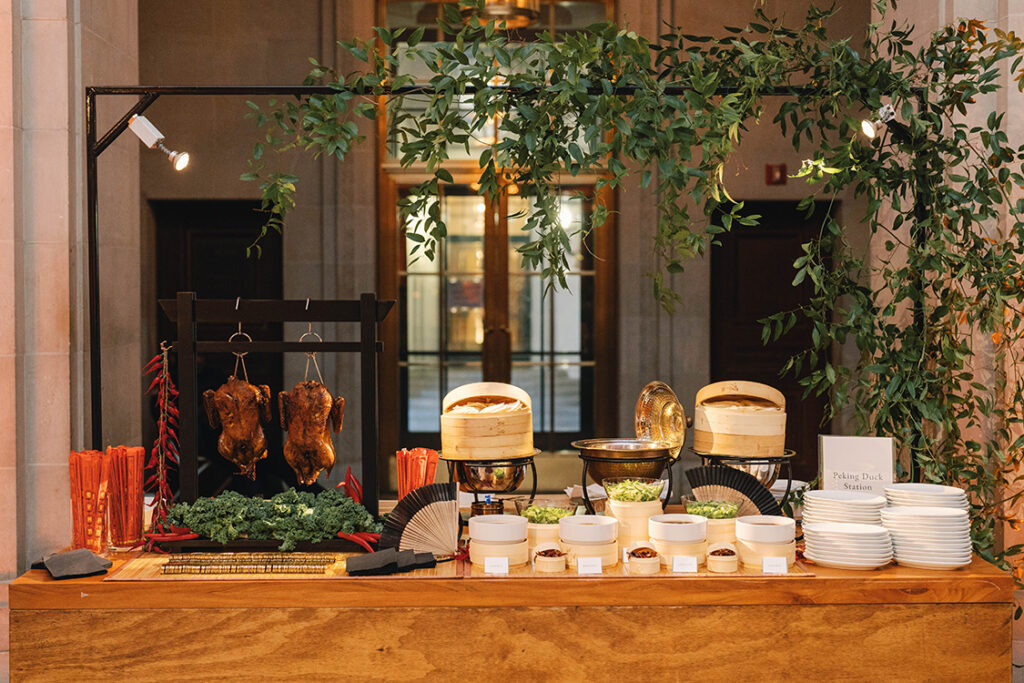
A senior event designer at Ridgewells Catering in the Washington, D.C., area, Mary Margaret Hart follows a general rule of thumb when creating a food station or buffet. “You never put anything directly on the table,” she says. “It’s got to be lifted up and not just sitting on a table, because that looks like what we do in our own homes.”

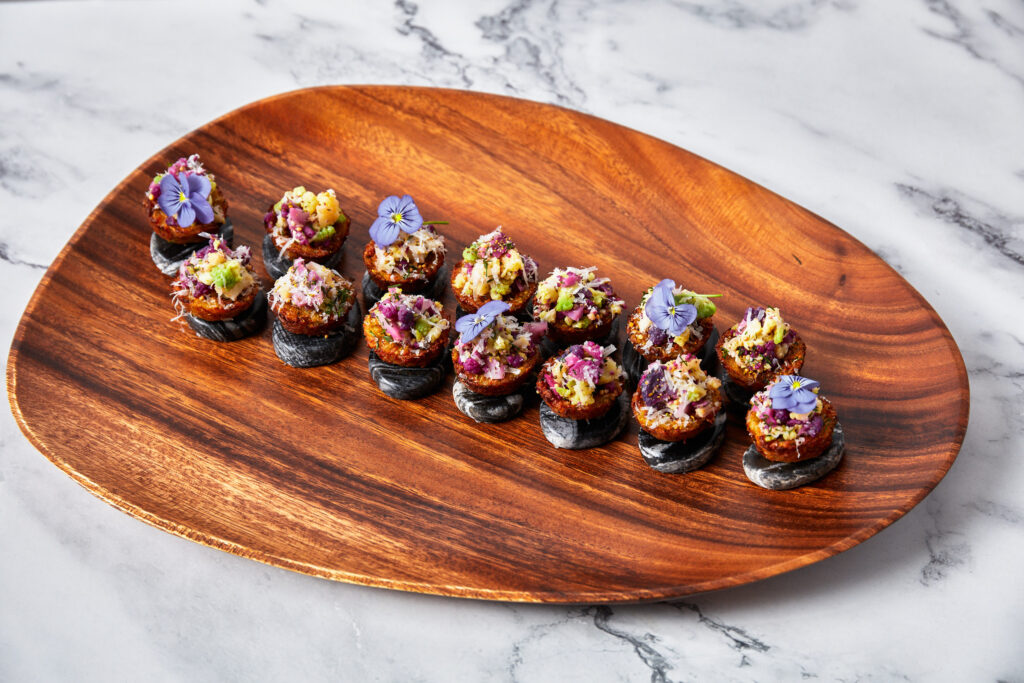
That same guiding principle could apply to what successful caterers do every day—elevate how food looks, tastes and engages the imagination, so the dining experience transcends the quotidian. Food stations, with their thoughtfully composed small plates and inspired themes, are often the perfect vehicles for caterers to show off both culinary and design expertise.

Creating a Positive Workplace Culture

It’s a conundrum for hospitality businesses. Customer service is only as good as the people providing it. Yet it’s difficult to find and keep committed employees in an industry with one of the highest job turnover rates.

To find out how one large catering company successfully does it, CFE reached out to Atlanta’s Proof of the Pudding. LaTosha Marks, Proof of the Pudding’s senior vice president of human resources, shared six strategies the company employs to attract and retain quality staff members as the company grows.

Progress in Cold Chain Logistics

When the risk of food spoilage and foodborne illness is mitigated, your customers are satisfied, and your business grows.

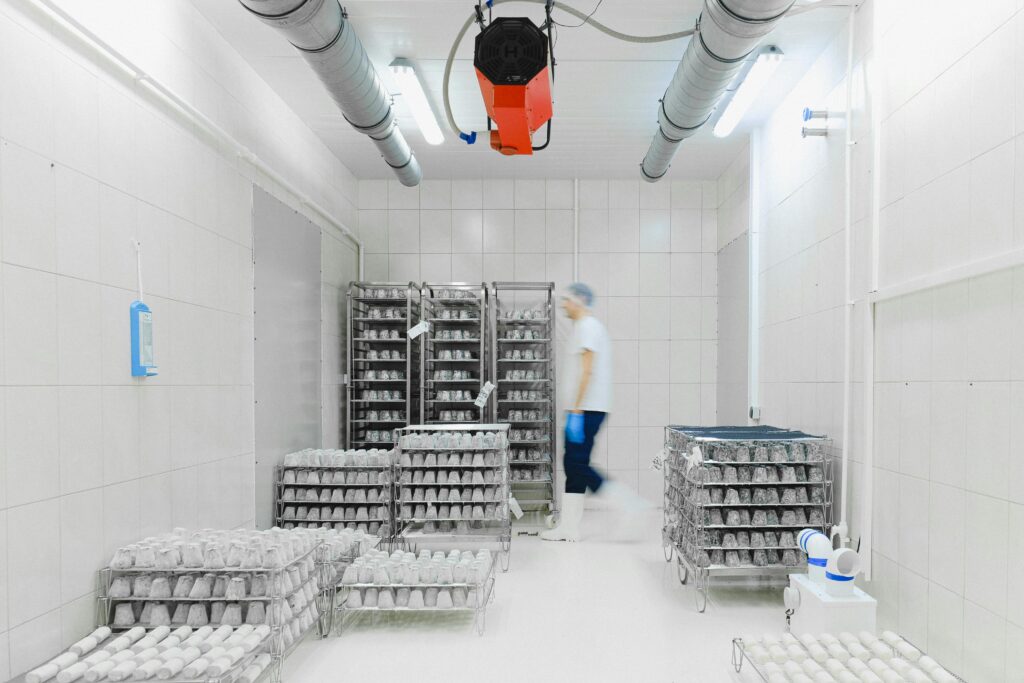
Cold chain logistics—the storing, handling and transporting of temperature-sensitive items—play an essential role in ensuring food safety and quality. The essence of cold chain logistics is the management of perishable food and beverages under tightly controlled conditions to prevent spoilage.

Complying with Foodservice Standards

Compliance in the foodservice and catering industry has grown increasingly complex as regulations become more stringent.

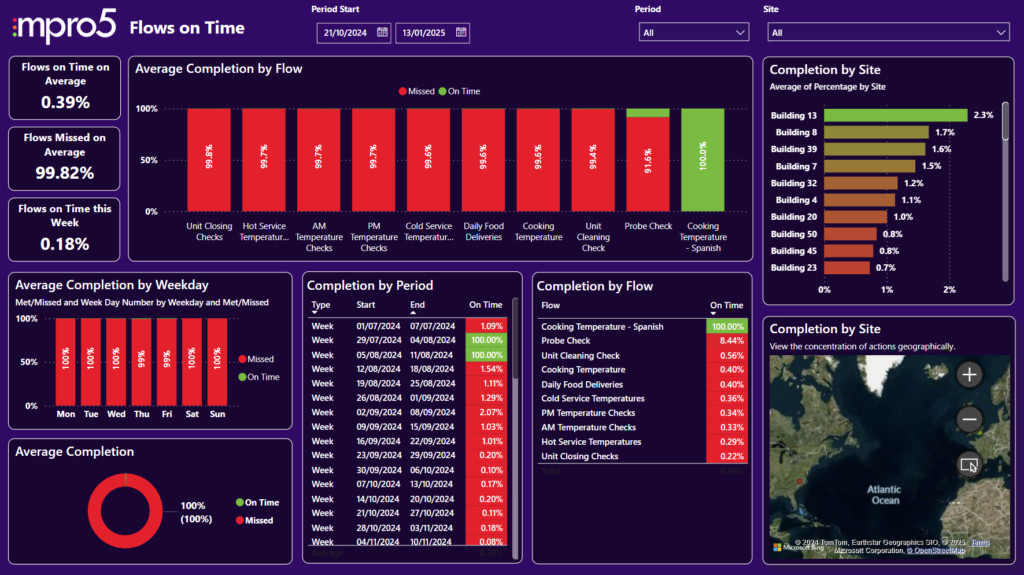
With over 12 federal regulatory agencies and more than 30 laws linked to monitoring food safety, allergen labeling, hygiene and traceability, companies must grapple with an array of legal issues. These standards, which are higher than ever, require catering businesses to automate and streamline their compliance approach to meet federal and local regulations successfully.

Scroll to Top