
Five Reasons You May Need Financing in 2022
Small business financing has become increasingly vital to small businesses operating in the hospitality industry over the last few years.
Small business financing has become increasingly vital to small businesses operating in the hospitality industry over the last few years.

COVID-19 Omicron cases are spiking nationwide. On Jan. 18, U.S. Surgeon General Dr. Vivek Murthy said “the next few weeks will be tough,” as the surge hadn’t yet peaked.

If you were looking for advice about what to do after the catering-and-events industry came crashing down in 2019, perhaps you tuned into “Behind The Veil.”

By all accounts, 2022 is the year of the comeback for the catering and events industry. Yet after a tumultuous 2020 and 2021, stumbling blocks remain—such as the ongoing labor shortage. To get a sense of where we are and where we’re going, CFE asked six industry executives to share what they’re seeing in the marketplace and where they predict we’re headed in the new year.

For good reason, industry observers and foodservice professionals have spent months standing at attention for signs of an emerging recovery: resumed corporate events, larger group gatherings, the green light to get back to normal.

As consultants specializing in the catering industry, one of the most frequent questions we are asked is: How do I go about selling my catering business?

Not only do CFE Training online courses educate your employees, they help you stand out from the crowd By Sara
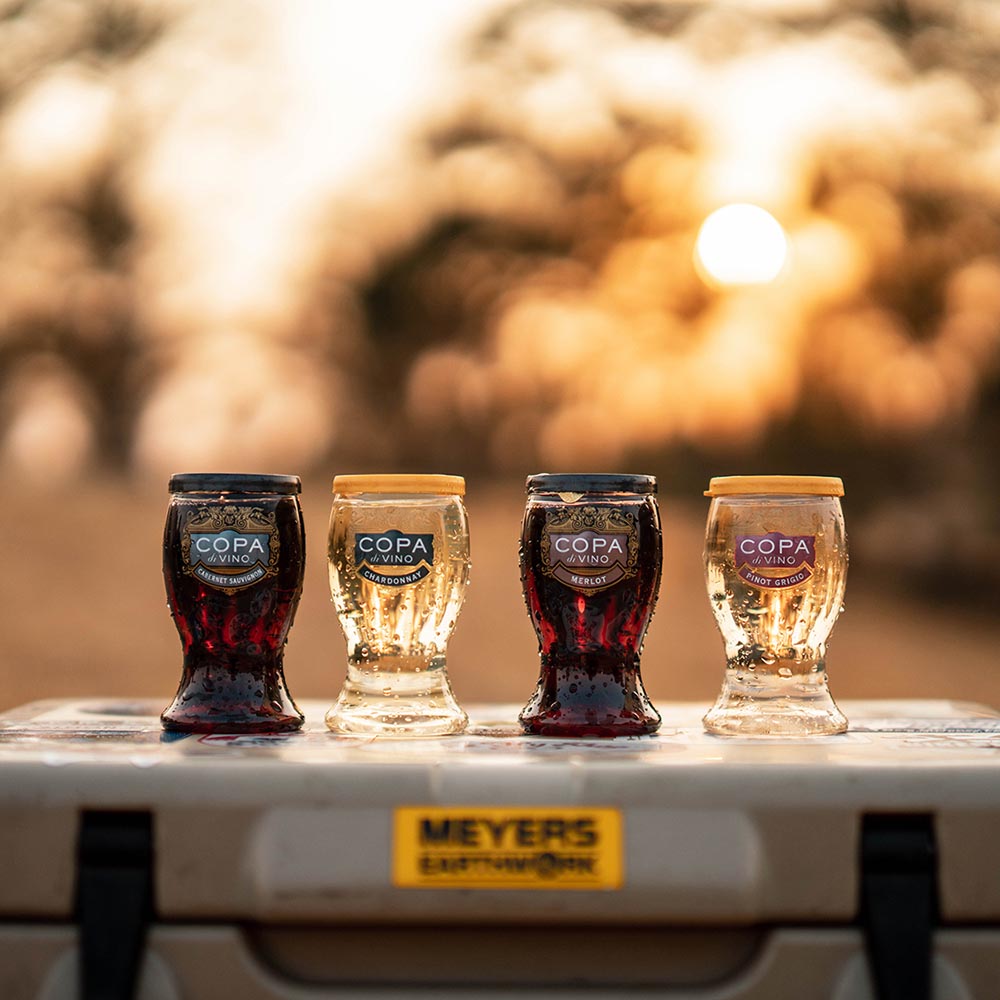
The owner of Sunshine Mill Winery in The Dalles, Ore., Martin came up with the idea for single-serve premium wine while exploring vineyards in the south of France in 2007. From there, he worked to develop the technology to make it possible.

In the past 18 months, foodservice businesses have taken drastic measures to survive (and, in some cases, thrive) under pandemic conditions.

As consultants specializing in the catering industry, one of the most frequent questions we are asked is: How do I go about selling my catering business?